
Fatima Abu Rumi. Visual artist
Fatima Abu Rumi. Artista visual
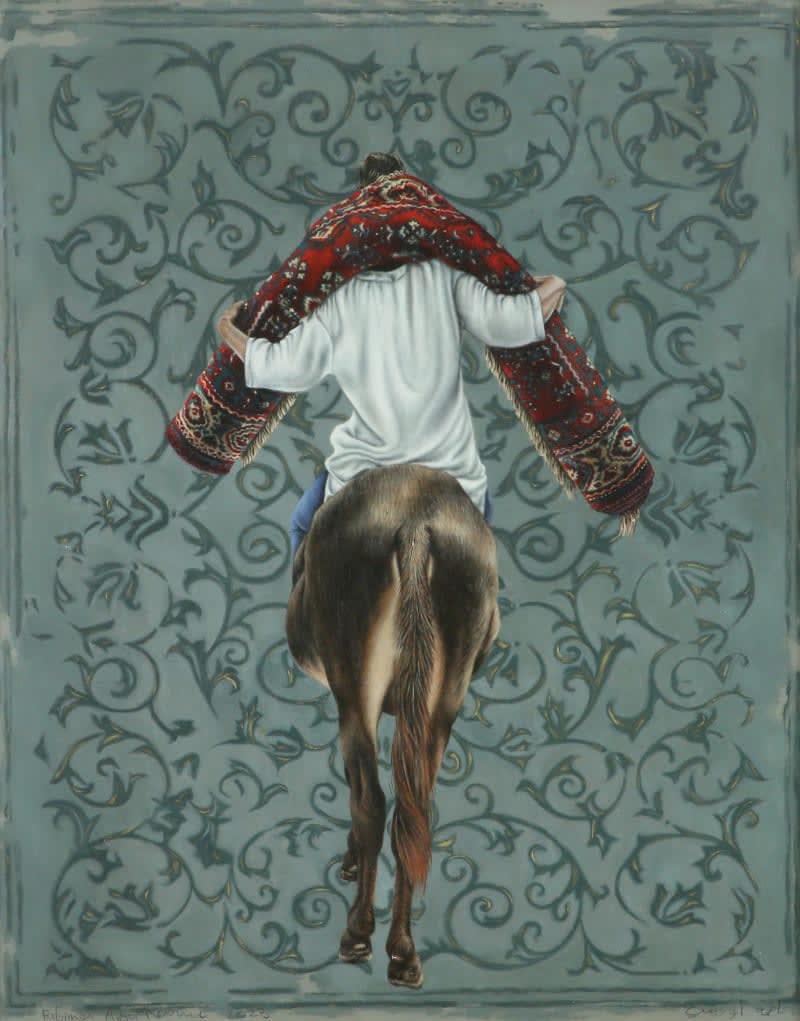
Fatima Abu Rumi (1977-) is a Palestinian visual artist born in the town of Tamra in the Palestinian Galilee.
She studied in her town's schools until high school. Believing in her talent, she began to study a range of specialized courses in fine art, especially artistic sculpture and photography. She then joined Mar Elias College in Ibilin, Palestine, where she obtained a diploma in architecture in 1998. She joined Oranim College of Education, where she joined the Department of Arts and graduated with distinction in 2005. She also received her master's degree in art education in 2017 from the same college. She has many participations in many group exhibitions inside the cities and villages of Palestine occupied in 1948. She also founded the Bilqis Contemporary Art Gallery in the Old City of Nazareth. Most of her paintings include traditional touches of Palestinian embroidery, combining originality andmodernity, many of which incorporate elements of Islamic heritage, and her style follows the realist expressionist school.
The Weight of Heritage - The Art of Fatima Abu Rumi Six paintings that offer a glimpse into that remarkable artistic vocabulary.
Born in 1977 in Tamra, in the Palestinian Galilee, Fatima Abu Rumi (فاطمة أبو رومي) explores identity, womanhood, cultural inheritance and belonging through an extraordinary visual language rooted in the familiar objects of everyday life.
Among her recurring subjects are two seemingly unrelated motifs: carpets and donkeys. Yet, viewed together, they invite a deeper examination of labour, endurance, memory and the weight of existence.
The Carpet - A Repository of Memory In Abu Rumi's paintings, carpets are not merely decorative furnishings. Their intricate patterns evoke domestic spaces, generations of craftsmanship, cultural continuity and the intimacy of home. She frequently places herself within these compositions, carrying, embracing or becoming almost engulfed by the textiles surrounding her. The relationship between the woman and the carpet is particularly compelling. Heritage becomes something both cherished and carried, an inheritance that offers belonging whilst imposing its own weight.
For Palestinians, whose history is marked by dispossession and forced displacement, the carpet can acquire an additional significance. It becomes a portable fragment of home, a physical connection to places, people and memories that cannot always be recovered.
The Donkey - The Dignity of Endurance Abu Rumi's paintings of donkeys are equally captivating. For generations, the donkey has been an integral part of Palestinian rural life, accompanying farmers, transporting produce and carrying the necessities of everyday existence.
Often overlooked, it is an animal whose existence is defined by labour, patience and endurance. Abu Rumi gives this humble creature artistic prominence, inviting us to contemplate its quiet dignity rather than simply its usefulness.
Placed alongside her paintings of women carrying carpets, a striking visual parallel emerges. Both woman and animal bear weight. One carries the material and emotional inheritance of generations; the other carries the physical burdens of daily life. This is an interpretation of her recurring imagery rather than an assertion of the artist's declared intentions, but it is a connection that becomes increasingly compelling when the paintings are viewed collectively.
Today, these works acquire an especially painful resonance. As Palestinians in Gaza are repeatedly displaced, carrying whatever remains of their possessions, the carpet and the donkey evoke the fragile material remnants of a life uprooted. Through these seemingly ordinary subjects, Fatima Abu Rumi invites us to consider what it means to carry a home, a history and an identity through an uncertain world.
Her paintings remind us that Palestinian cultural heritage resides not only in monuments, manuscripts and museums, but also in the ordinary objects, animals, traditions and daily rituals that have sustained generations.
The Weight She Carries - The Saddle. Three Paintings by Palestinian artist Fatima Abu Rumi
Abu Rumi transforms this familiar object into something psychologically and symbolically compelling, inviting us to examine the relationship between burden, servitude, identity and womanhood.
When the Woman Becomes the Bearer
A saddle is ordinarily placed upon the back of an animal, enabling another to ride it or transport possessions. It is an object associated with labour, control and the relationship between the bearer and the burden. In her 2023 oil painting The Artist and a Saddle, Abu Rumi reverses this familiar arrangement.
The animal is absent. Instead, the artist herself holds an enormous saddle above her head, its heavy leather and hanging straps dominating the composition. The reversal is striking. The woman has assumed the position traditionally occupied by the animal. Yet her expression is composed, her gaze directed towards the viewer. She is neither anonymous nor submissive. She confronts us with her presence.
The Politics of the Female Body
Throughout her artistic career, Abu Rumi has explored the complexities of Palestinian womanhood, confronting restrictive social conventions whilst remaining deeply connected to her cultural identity. Her use of self-portraiture is particularly significant. Rather than allowing others to define or represent her experience, she places her own body at the centre of the narrative.
The saddle can be interpreted as a visual metaphor for the expectations, obligations and responsibilities imposed upon women, often inherited across generations and rarely acknowledged. Who determines what a woman must carry? Who benefits from her labour? And at what point does endurance become an expectation rather than a choice?
The Beauty of the Burden
Abu Rumi's meticulous attention to texture, stitching, leather and craftsmanship lends these objects an extraordinary beauty. Therein lies a contradiction. An object associated with restraint and labour becomes aesthetically captivating. Its beauty does not diminish its weight. As with her carpet paintings, Abu Rumi creates a tension between cultural attachment and social criticism.
She demonstrates that one can cherish one's heritage whilst questioning the burdens imposed in its name. Viewed alongside her paintings of donkeys and carpets, the saddles complete a fascinating visual dialogue between the animal, the object and the human body.
But perhaps the most powerful aspect of these paintings is that the Palestinian woman is not presented simply as a victim of circumstance. She is the artist, the subject and the author of her own representation. She determines how she is seen. And that, in itself, is an act of resistance.
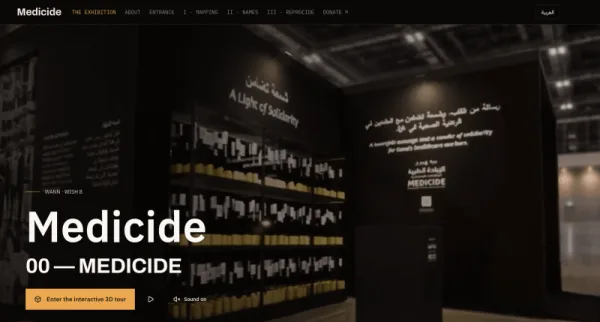
Medicine Black Box. Palestinian stories. Video
Published 3 days ago.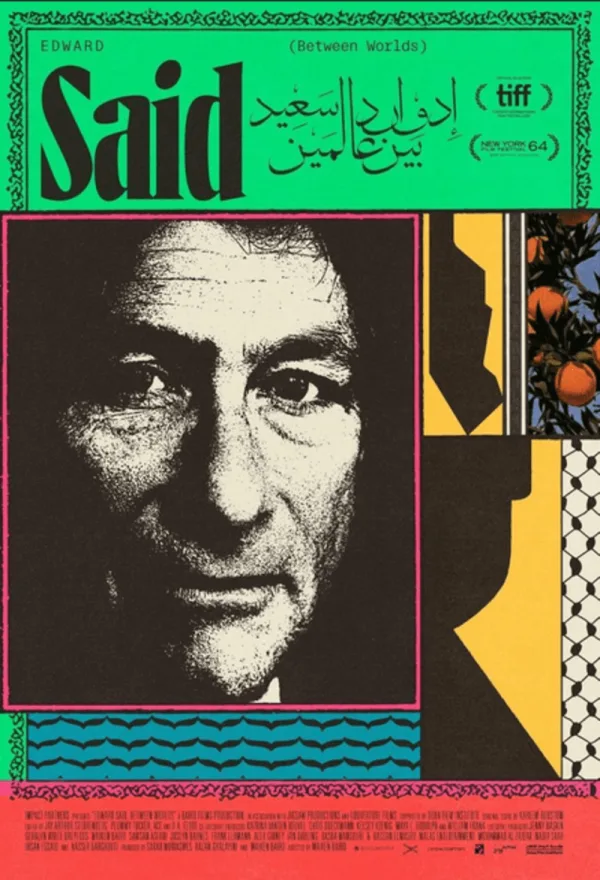
Edward Said: Between Worlds (2026), documentary, directed by Maiken Baird
Published 7 days ago.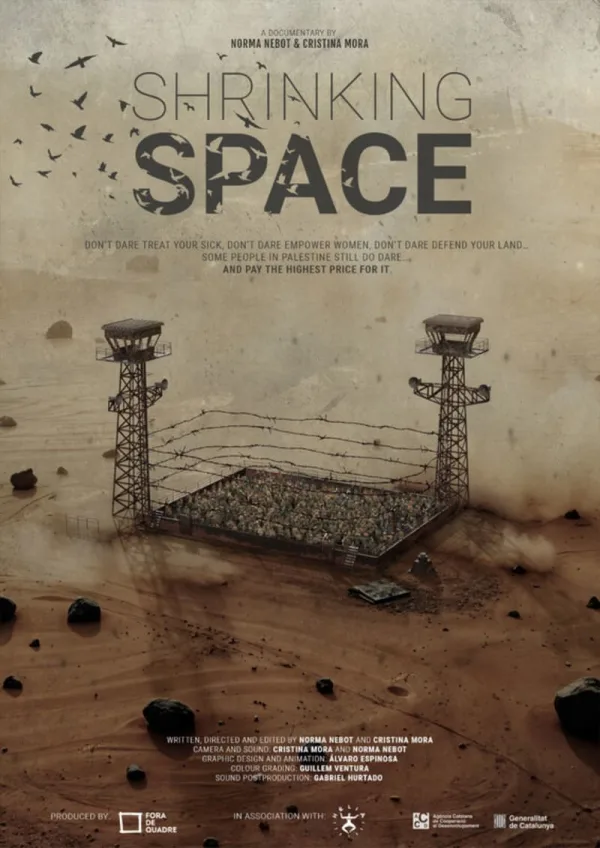
Shrinking Space. Documentary
Published 8 days ago.
Editorial interference. Palestine book by Alana Hadid and Jenan Matari. Random House
Published on 10 November.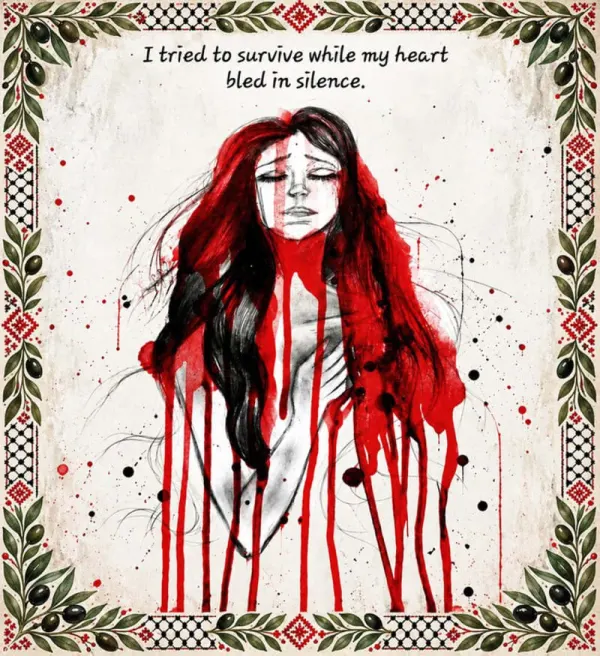
Nada Rajab. I Tried To Survive. Art under the rubble
Published on 1 November.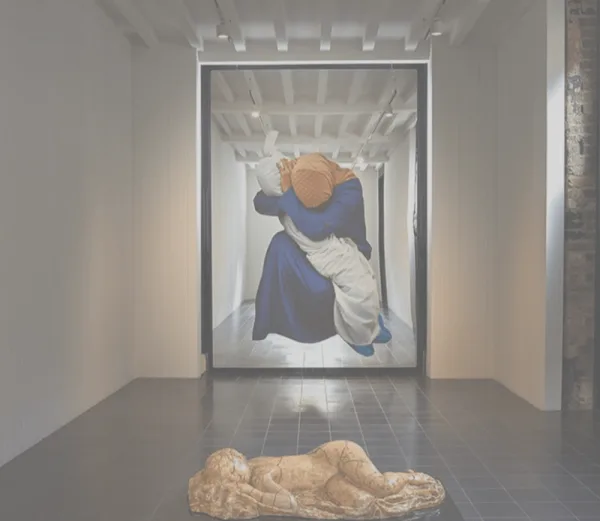
Gaza. Art. Exhibition in London.
Published on 16 October.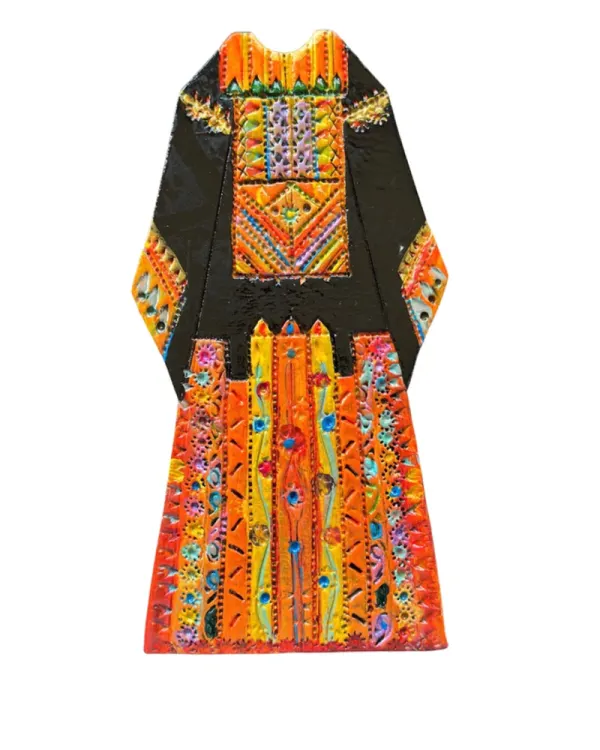
Shatha Safi is a Palestinian visual artist
Published on 15 October.Ver más / See more

