

The British Museum cannot erase Palestine. El Museo Británico no puede borrar "Palestina" ENG ESP
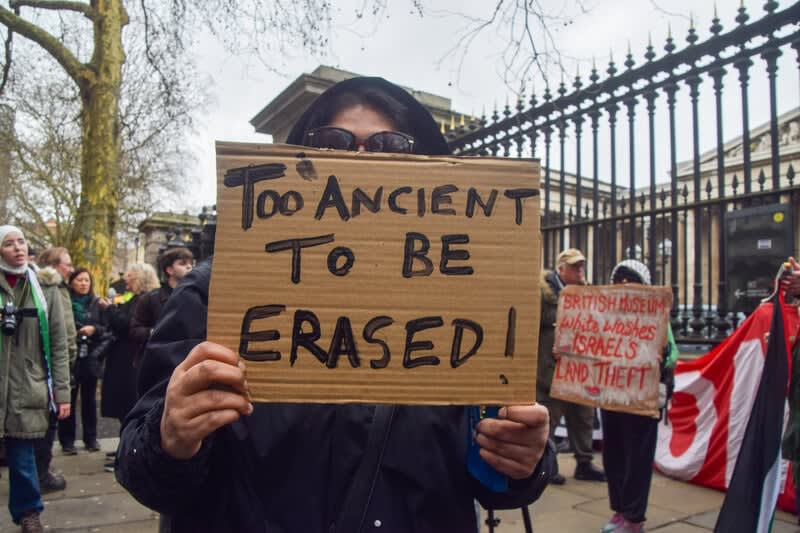
El Museo Británico no puede borrar Palestina
Ilan Pappe, The Electronic Intifada, 24 de febrero de 2026
La afirmación del Museo Británico de que el nombre Palestina ya no es históricamente neutral es una farsa. En medio de la indignación generalizada, la respuesta de la institución ha sido evasiva. “Se ha informado de que el Museo Británico ha eliminado el término Palestina de las exposiciones”, declaró el 16 de febrero. “Simplemente no es cierto. Seguimos utilizando Palestina en diversas galerías, tanto contemporáneas como históricas”.
La verdadera pregunta es si el museo eliminó el término de alguna exposición, no si todavía lo utiliza en otras. De hecho, un portavoz pareció confirmar a The Guardian que el museo sustituyó el término Palestina por “Canaán” en al menos una exposición. El Museo Británico no respondió a la solicitud de aclaración de The Electronic Intifada. Su decisión, que se espera sea revocada, refleja una cobardía moral generalizada en Gran Bretaña desde octubre de 2023.
La acción del museo también es históricamente errónea y pone en tela de juicio los estándares académicos de esta otrora ilustre institución, a pesar de que sus colecciones se componen en gran parte de artefactos saqueados durante el período colonial.
Cobardía moral
La decisión no surge de los nuevos avances en arqueología ni de una respuesta a las súplicas de la comunidad académica. Más bien, el museo parece haber cedido a la presión de Abogados del Reino Unido por Israel, uno de los grupos de presión más agresivos de Gran Bretaña. UKLFI trabaja para suprimir el apoyo a los derechos palestinos y ha intensificado su campaña durante el genocidio israelí en Gaza. Esto ha dado lugar a denuncias legales que acusan al grupo de utilizar tácticas vejatorias y legalmente infundadas destinadas a suprimir la solidaridad con Palestina.
El grupo incluso intentó que el cirujano británico-palestino Dr. Ghassan Abu-Sittah fuera inhabilitado para ejercer la medicina debido a su defensa pública de las víctimas del genocidio. En enero, un tribunal médico británico desestimó la denuncia por infundada.
La presión de UKLFI sobre el museo forma parte de un esfuerzo más amplio para borrar a los palestinos de la historia y negar a Palestina como nación. El museo, sin duda, negará que el miedo a este agresivo lobby haya motivado su decisión.
Canaán es polémico
La idea de que el término Canaán sea de alguna manera más preciso que Palestina no se sostiene. La comunidad académica aún debate los límites históricos de la tierra de Canaán. No existía cartografía hace 3000 años, por lo que hoy en día los mapas se elaboran según fuentes bíblicas o excavaciones arqueológicas.
Para algunos, Canaán se refiere a una pequeña parte de la costa palestina; para otros, se extiende hasta el Éufrates. Mucho depende del grado en que los académicos se basen en el Antiguo Testamento —algo que los arqueólogos sionistas suelen hacer— y de cómo interpreten la evidencia arqueológica.
Una fuente del antiguo Egipto define los límites de la época con mayor precisión que otras y se refiere a Canaán como una provincia egipcia, o una zona fronteriza entre Egipto y sus rivales regionales. Podría argumentarse que abarcaba la Palestina histórica, Jordania y el Líbano, pero eso no impide llamar al país Palestina.
De igual manera, el hecho de que los términos Bilad al-Sham o Mutasarrifato de al-Quds —la provincia de Jerusalén— se refirieran a distritos administrativos y entidades políticas islámicas y otomanas que incluían o existían en partes de Palestina tampoco niega el término Palestina. Quien se ocupe del término, como académico, visitante de un museo, curador o público, debe decidir si Canaán formaba parte de Palestina o la abarcaba.
La Enciclopedia Británica reconoce esta ambigüedad, afirmando que Canaán se define de diversas maneras en la literatura histórica y bíblica, pero siempre se centra en la región de Palestina. Canaán no sustituye a Palestina y no sirve de nada usarlo sin contexto.
El término Canaán también es profundamente político, como observa Mary Ellen Buck, una de las expertas mundiales en el tema, en su libro The Canaanites: Their History and Culture from Texts and Artifacts. Escribe: «Los políticos modernos de Oriente Medio utilizan el término 'Canaán' y 'cananeos' como parte de su discurso político». Y aporta ejemplos ilustrativos de cómo los políticos israelíes utilizan el término Canaán para justificar la colonización de Cisjordania, mientras que los palestinos lo utilizan para desafiar la agresión israelí.
La única alternativa en inglés sería referirse a la región como «Eretz Israel», algo que incluso los académicos israelíes progresistas dudarían en hacer. Fue y seguirá siendo Palestina. En su carta al Museo Británico, Abogados del Reino Unido por Israel afirma que el uso del término Palestina
en referencia a lo ocurrido hace miles de años corre el riesgo de "oscurecer la historia de Israel y del pueblo judío".
El grupo de presión considera Canaán, como la mayoría de los sionistas, sinónimo de los reinos de Israel y Judea, y suscribe la mitología de que quienes vivían en esas regiones eran judíos y que los sionistas son sus descendientes.
En aquella época no existía el Estado de Israel ni el pueblo judío. Una tribu hebraica coexistía con otros grupos que formaron reinos como Israel y Judea. Desde el inicio del proyecto sionista, los arqueólogos colaboraron con el movimiento y, posteriormente, con el Estado de Israel en la interpretación del Antiguo Testamento como documento histórico.
Reinterpretaron los nombres de estos antiguos reinos tribales, como el reino de Israel, como el nombre del país, no de una entidad tribal desaparecida hace mucho tiempo. Cuando Palestina fue ocupada por potencias regionales o extranjeras, fue dividida repetidamente en distritos administrativos antes de que la imperialista Sociedad de Naciones la entregara a Gran Bretaña bajo el Mandato Británico.
Por esta razón, desde la profesionalización moderna de la arqueología y la historia, la comunidad académica, incluyendo a los empleados del Museo Británico, ha utilizado el término Palestina como referencia al lugar geográfico donde, durante más de cinco milenios, la gente vivió ininterrumpidamente hasta que fue desposeída por los sionistas e Israel en 1948.
Vivieron en la antigüedad bajo el dominio egipcio, asirio, babilónico, hebreo, griego y romano. Las afinidades religiosas de los pueblos indígenas cambiaron con el tiempo: muchos pasaron del paganismo a la religión hebraica. En la siguiente fase, la mayoría se convirtió primero al cristianismo y posteriormente al islam.
Todo esto ocurrió en Palestina, y el patrimonio acumulado a lo largo de los siglos pertenece al pueblo palestino. No todos los académicos israelíes se sienten cómodos con la reescritura propagandística de la historia por parte del sionismo.
Pero el Israel actual, liderado por una élite política mesiánica, racista y genocida, está dispuesto a perseguir incluso a los israelíes liberales que lo desafían, y sus agentes en el Reino Unido intentan hacer lo mismo con académicos e instituciones en Gran Bretaña.
Ceder a la exigencia de reemplazar Palestina por Canaán no solo supone una capitulación ante el lobby israelí, sino también una alineación con el liderazgo actual de Israel, para quien Canaán es la tierra bíblica que se extiende desde el mar, a través de la Palestina histórica, Jordania, el sur del Líbano y el sur de Siria.
La decisión del Museo Británico solo confirmará a los sionistas que el Imperio permanece totalmente de su lado.
El grupo de presión socava las propias reivindicaciones del sionismo
Por lo tanto, podemos decirle al Museo Británico: Definir "Canaán" como la ubicación geográfica de sus objetos es al menos tan polémico como "Palestina", pero aún más, ya que ahora los visitantes sabrán que la nueva referencia no surge de la erudición, sino de la adopción de la versión más extrema de la narrativa sionista.
Sin duda, sin querer, la carta de UKLFI socava notablemente una afirmación sionista clave: el grupo afirma que aplicar el término Palestina a períodos que se remontan a miles de años "borra los cambios históricos y crea una falsa impresión de continuidad". ¿No es esto precisamente lo que los sionistas siempre han intentado hacer, al afirmar que Palestina fue siempre y únicamente una tierra "judía"? Incluso los estudiosos sionistas que intentaron desesperadamente, sin éxito, demostrar la presencia judía continua, se referían a la tierra como Palestina.
Los congresos sionistas vendían con orgullo productos de las colonias palestinas e invitaban a los judíos a visitar Palestina y sus sitios históricos. De hecho, en las primeras décadas del sionismo, los líderes del movimiento tampoco tenían problemas con el nombre.
Instituciones declaradamente sionistas que contribuyeron a la colonización de Palestina y al despojo de su pueblo, como la Compañía Anglo-Palestina (posteriormente el Banco Leumi de Israel) y la Agencia Judía para Palestina (ahora la Agencia Judía para Israel), son ejemplos notables.
La única manera de investigar a Israel académica o culturalmente es como un estado dentro de un largo continuo de entidades políticas; un estado que, como en el caso de los reinos de Israel y Judea, o el de Herodes, ocupó solo períodos muy breves en la rica historia de la Palestina antigua, medieval y moderna.
Cualquiera que sea la futura entidad en Palestina —esperemos que una auténtica democracia para todos—, narrará con orgullo en sus libros de texto y museos su historia milenaria. Palestina existía entonces y seguirá existiendo en el futuro.
Ilan Pappe es profesor de historia y director del Centro Europeo de Estudios Palestinos de la Universidad de Exeter. Es autor de «Israel al borde del abismo» y de numerosos otros libros.
 Available in
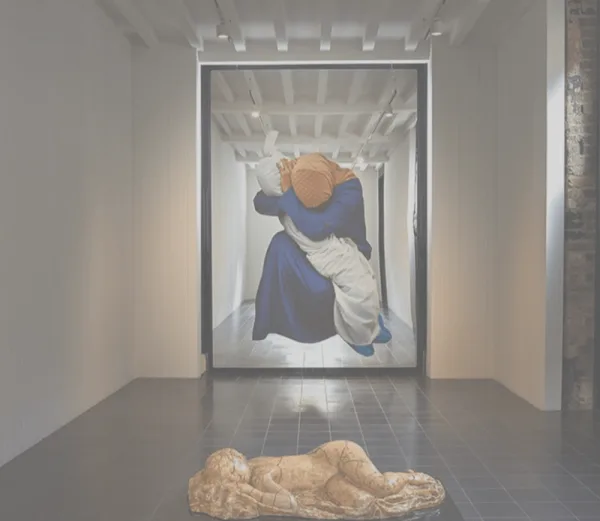
 Gaza. Arte. Exposición en Londres. Gaza. Art. Exhibition in London. ESPAÑOL ENGLISH
Publicado hace 2 días.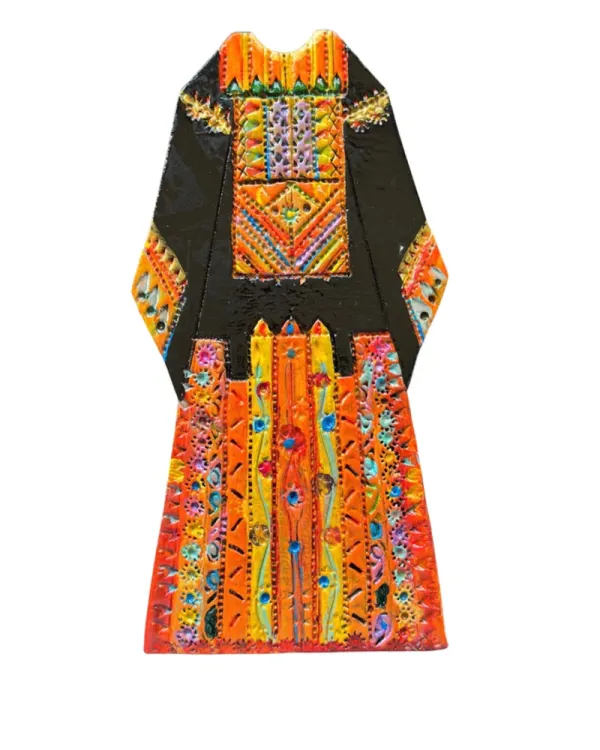
Shatha Safi, artista visual.
Publicado hace 3 días.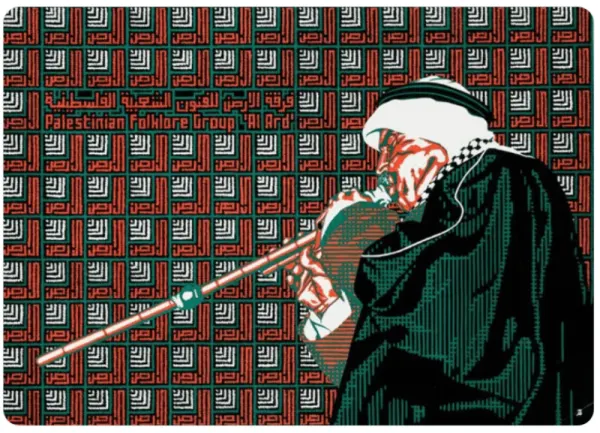 Available in
 Al Ard — “The Land” — Palestinian folklore group. Al Ard - The Land- La Tierra. Grupo de folklore palestino
Publicado el 25 de septiembre.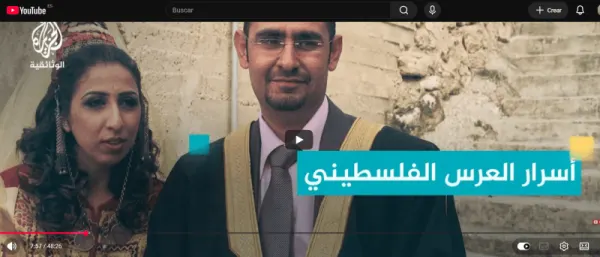
تغاريد عرس فلسطيني.. حكاية تراث لا يموت Preparativos, canciones de boda palestina: Un documental/relato de patrimonio perdurable
Publicado el 25 de septiembre.
Citizen Osama. Documental
Publicado el 24 de septiembre.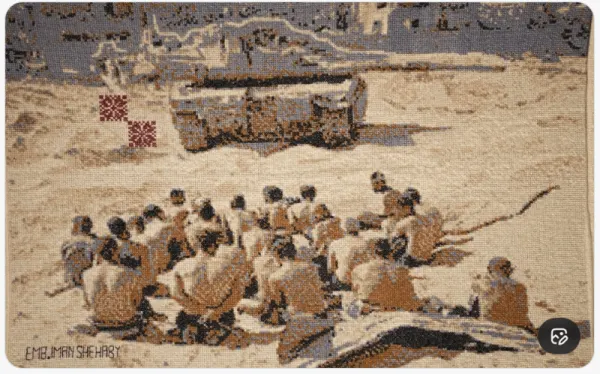 Available in
 "Gaza. No words" Exhibition Venice. Gaza, sin palabras. Exposición Venecia. ENG ESP
Publicado el 18 de septiembre.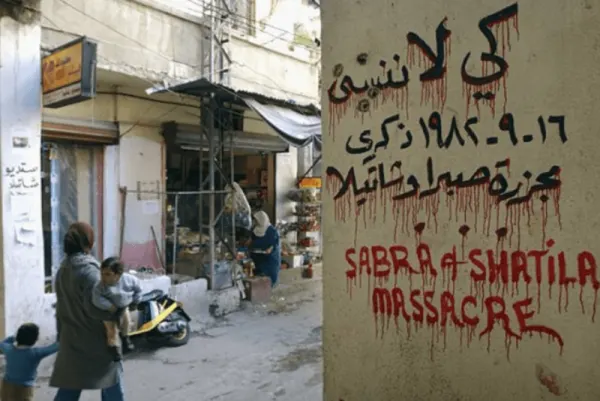 Available in
 "Moving towards home". June Jordan. 44 years since the Sabra and Sathila massacres. "Camino al hogar"- 44 años desde la masacre de Sabra y Sathila. ENG ESP
Publicado el 15 de septiembre. Available in
 Palestine, war of memory. Palestina, memoria de guerra.
Publicado el 11 de septiembre.Ver más / See more
