

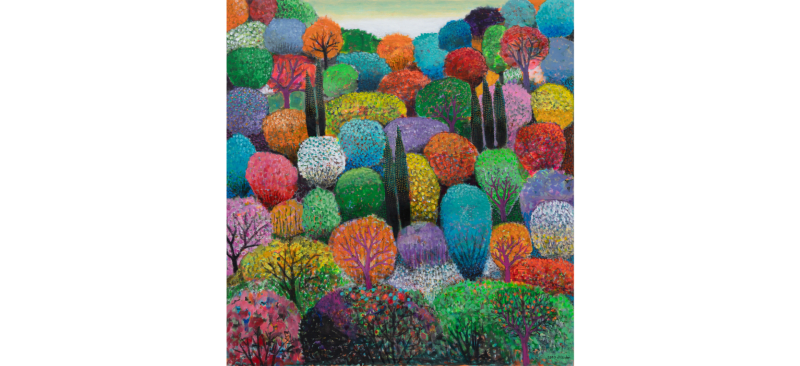
"Wadi Qana" (2025) by Nabil Anani. Acrylic. Acrílico, de Nabil Anani. "Wadi Qana"
ENGLISH
"Wadi Qana" (2025) by Palestinian Artist Nabil Anani
Wadi Qana
In Wadi Qana, where the valley sings low, Qana flows west from Nablus hills to Yarkon’s call a ribbon of life carved through Samaria’s stone, springs bubbling like ancient prayers from the earth. Caves whisper of Yarmukian hands, Paleolithic fire and Canaanite footsteps, where olive and citrus once fed generations from Deir Istiya’s steadfast heart. Look how Anani stacks
His colors here: emerald terraces heavy with lemon gold, orange fire and pomegranate crimson, turquoise veins of living water threading through.
Purple jacaranda dreams beside carob shade, wild almond blush and fig-leaf green every hue a verse in the Divine poem, as if the Creator dipped His brush in joy and painted this wadi in His own image.
Before the black winds of occupation came, fifty families tended these slopes as kin, children laughing beside Ain al-Basa’s flow, harvests rising like thanksgiving under open sky. Now the land remembers: roots push defiant, olive sentinels holding ground against the axe, springs fighting to run clear once more.
Even in restriction and uprooted grief, the valley blooms — a stubborn cathedral of green.
O Wadi Qana, jeweled valley of endurance, your canopy explodes in sacred riot: red, violet, azure, saffron, every tone a testimony that beauty refuses to yield. Here God walks still among the multicolored trees, whispering to the wind: This too is holy ground.
The painter’s hand has captured heaven’s riot not one flat field, but a living mosaic of resilience, memory, and undying praise. May your waters run pure again, may every stolen sapling be reborn tenfold, and may these vibrant layers remind the world: in Palestine, even the land itself paints hope in a thousand defiant colors.
—Zara Zhar
How the Occupation Has Affected Wadi Qana
Wadi Qana (also spelled Wadi Qana or Qana Valley) is a historically fertile, water-rich valley running from near Nablus toward the coast. It was once a major agricultural hub for villages like Deir Istiya, known for olives, citrus, figs, and other crops. Since 1967, it has faced systematic pressures:
Settlement Encroachment & Land Loss:
Israeli settlements (e.g., Karnei Shomron, Immanuel, Sha’ar Emmanuel) were built on surrounding hilltops starting in the late 1970s, often on land confiscated from Palestinian villages.
This fragmented the valley and restricted access.
Water Diversion & Pollution:
Settlements drilled deep wells, drying up many Palestinian springs. Raw sewage and wastewater from settlements were discharged directly into the wadi for years (until partial piping in the mid-2000s), contaminating water used for irrigation and causing soil pollution. Industrial waste and solid waste dumping have also been documented.
Uprooting of Trees & Farming Restrictions:
Thousands of olive and fruit trees have been uprooted by authorities or settlers. The area was declared a closed military zone (1979), then a "nature reserve" (1980s), which severely limits Palestinian cultivation, planting, and grazing while allowing settlement expansion nearby. Farmers face access restrictions, demolition orders, and confiscations of saplings. Ongoing
Impact:
This has led to reduced agricultural output, economic hardship for families in Deir Istiya and nearby villages, displacement of farmers, and environmental degradation — turning a once-thriving "paradise" into a contested, polluted space. Despite this, some Palestinian families continue to resist and tend the land.
NOTE
As a painter, ceramist, and sculptor, Nabil Anani is considered a key founder of the contemporary Palestinian art movement. He pioneered the use of local media such as leather, henna, natural dyes, papier-mâché, wood, beads, and copper. Upon graduating with a degree in fine art from Alexandra University, Egypt, in 1969, Anani returned to his native Palestine and began a fruitful career as an artist and a teacher trainer at the UN training college in Ramallah. Anani held his first exhibition in Jerusalem in 1972 and has since exhibited widely in Europe, North America, the Middle East, North Africa, and Japan, both as an individual artist and with groups of his Palestinian contemporaries.
Anani was awarded (by Yasser Arafat) the first Palestinian National Prize for Visual Art in 1997 and became the head of the League of Palestinian Artists in 1998. On retiring from his teaching post in 2003, Anani has dedicated much of his time to voluntary pastimes, leading on the League’s activities and playing a key role in the establishment of the first International Academy of Fine Art in Palestine, with the assistance of the University of Oslo and the Norwegian Ministry of Foreign Affairs.
ESPAÑOL
"Wadi Qana" (2025) del Artista Palestino Nabil Anani
Wadi Qana
En Wadi Qana, donde el valle canta bajo, Qana fluye hacia el oeste desde las colinas de Nablus hasta el llamado del Yarkon una cinta de vida tallada a través de la piedra de Samaria, manantiales burbujeando como antiguas plegarias de la tierra.
Cuevas susurran de manos yarmukianas, fuego paleolítico y pisadas cananeas, donde olivos y cítricos una vez alimentaron generaciones desde el corazón inquebrantable de Deir Istiya. Mira cómo Anani apila Sus colores aquí: terrazas esmeralda cargadas de oro limón, fuego naranja y carmesí de granada, venas turquesas de agua viva que se entretejen.
Sueños de jacarandá púrpura junto a la sombra de algarrobo, rubor de almendra silvestre y verde de hoja de higuera cada matiz un verso en el poema Divino, como si el Creador hubiera sumergido Su pincel en alegría y pintado este wadi a Su propia imagen.
Antes de que llegaran los vientos negros de la ocupación, cincuenta familias cuidaban estas laderas como parientes, niños riendo junto al flujo de Ain al-Basa, cosechas elevándose como acción de gracias bajo el cielo abierto.
Ahora la tierra recuerda: raíces empujan desafiantes, centinelas de olivo sosteniendo el suelo contra el hacha, manantiales luchando por correr claros una vez más. Incluso en la restricción y el duelo desarraigado, el valle florece —una catedral obstinada de verde.
Oh Wadi Qana, valle enjoyado de resistencia, tu dosel explota en un motín sagrado: rojo, violeta, azur, azafrán, cada tono un testimonio de que la belleza se niega a ceder. Aquí Dios aún camina entre los árboles multicolores, susurrando al viento: Esto también es tierra santa.
La mano del pintor ha capturado el motín del cielo no un campo plano, sino un mosaico vivo de resiliencia, memoria y alabanza imperecedera. Que tus aguas corran puras de nuevo, que cada retoño robado renazca multiplicado por diez, y que estas capas vibrantes recuerden al mundo: en Palestina, incluso la tierra misma pinta esperanza en mil colores desafiantes.
—Zara Zhar
Cómo la Ocupación Ha Afectado a Wadi Qana
Wadi Qana (también escrito Wadi Qana o Valle de Qana) es un valle históricamente fértil y rico en agua que corre desde cerca de Nablus hacia la costa. Era una vez un importante centro agrícola para pueblos como Deir Istiya, conocido por olivos, cítricos, higos y otros cultivos. Desde 1967, ha enfrentado presiones sistemáticas:
Asentamientos y Pérdida de Tierras: Varios asentamientos israelíes (p. ej., Karnei Shomron, Immanuel, Sha’ar Emmanuel) se construyeron en las colinas circundantes a partir de finales de los años 1970, a menudo en tierras confiscadas a pueblos palestinos. Esto fragmentó el valle y restringió el acceso.
Desvío de Agua y Contaminación:
Los asentamientos perforaron pozos profundos, secando muchos manantiales palestinos. Aguas residuales crudas y aguas negras de los asentamientos se descargaron directamente en el wadi durante años (hasta el tuberizado parcial a mediados de los 2000), contaminando el agua usada para riego y causando contaminación del suelo. También se han documentado desechos industriales y vertidos de residuos sólidos.
Arrancamiento de Árboles y Restricciones Agrícolas:
Miles de olivos y árboles frutales han sido arrancados por autoridades o colonos. El área fue declarada zona militar cerrada (1979), luego una "reserva natural" (años 1980), lo que limita en mucho el cultivo, la siembra y el pastoreo palestino mientras permite la expansión de asentamientos cercanos. Los agricultores enfrentan restricciones de acceso, órdenes de demolición y confiscaciones de retoños.
Impacto Continuo:
Todo lo anterior ha llevado a una reducción en la producción agrícola, dificultades económicas para familias en Deir Istiya y pueblos cercanos, desplazamiento de agricultores y degradación ambiental —convirtiendo un "paraíso" una vez próspero en un espacio disputado y contaminado. A pesar de esto, algunas familias palestinas continúan resistiendo y cuidando la tierra.
NOTA
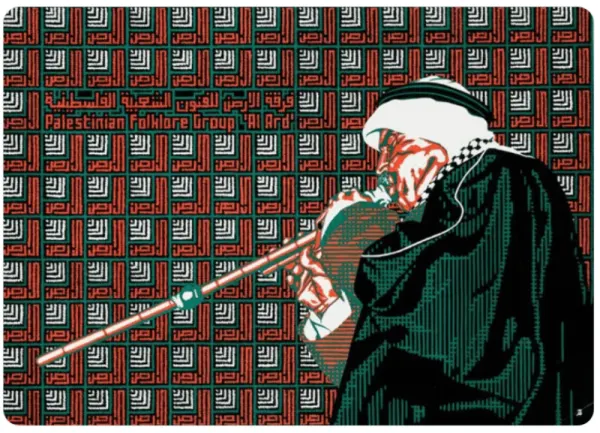
Al Ard — “The Land” — Palestinian folklore group. Al Ard - The Land- La Tierra. Grupo de folklore palestino
Publicado hace 13 días.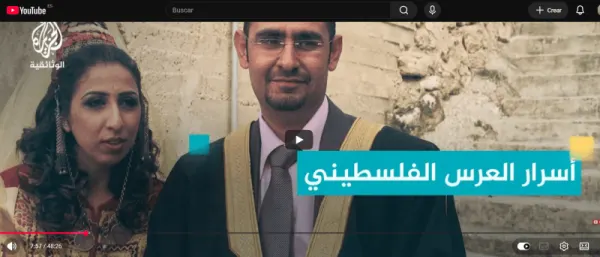
تغاريد عرس فلسطيني.. حكاية تراث لا يموت Preparativos, canciones de boda palestina: Un documental/relato de patrimonio perdurable
Publicado hace 13 días.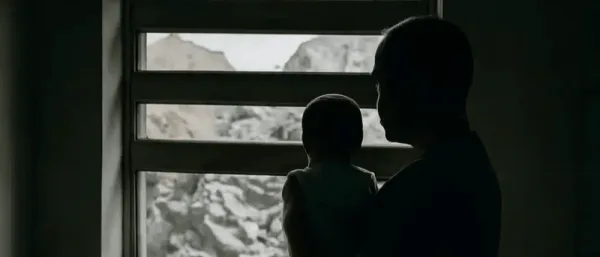
Citizen Osama. Documental
Publicado hace 14 días.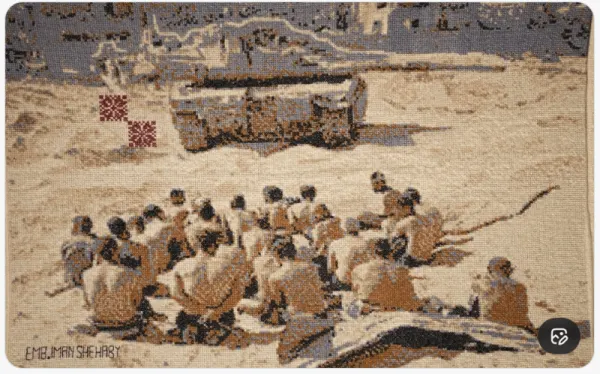
"Gaza. No words" Exhibition Venice. Gaza, sin palabras. Exposición Venecia. ENG ESP
Publicado el 18 de septiembre.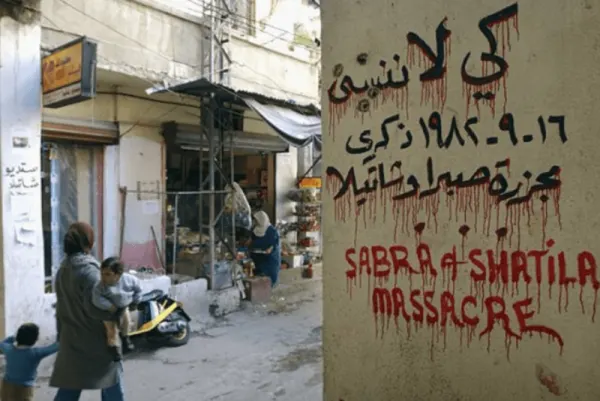
"Moving towards home". June Jordan. 44 years since the Sabra and Sathila massacres. "Camino al hogar"- 44 años desde la masacre de Sabra y Sathila. ENG ESP
Publicado el 15 de septiembre.
Palestine, war of memory. Palestina, memoria de guerra.
Publicado el 11 de septiembre.
Naza ("No other land"), documental, el genocidio de Gaza desde una sala de exterminio con aire acondicionado
Publicado el 11 de septiembre.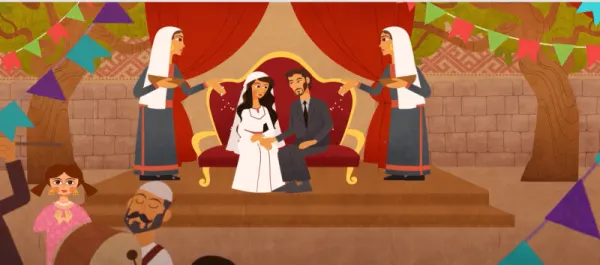
"All we have" Palestinian animation film. "Todo lo que tenemos" dibujos animados palestinos. ENG ESP
Publicado el 3 de septiembre.Ver más / See more
