

The Palestinian History Tapestry. Tapiz Histórico Palestino. ENG ESP
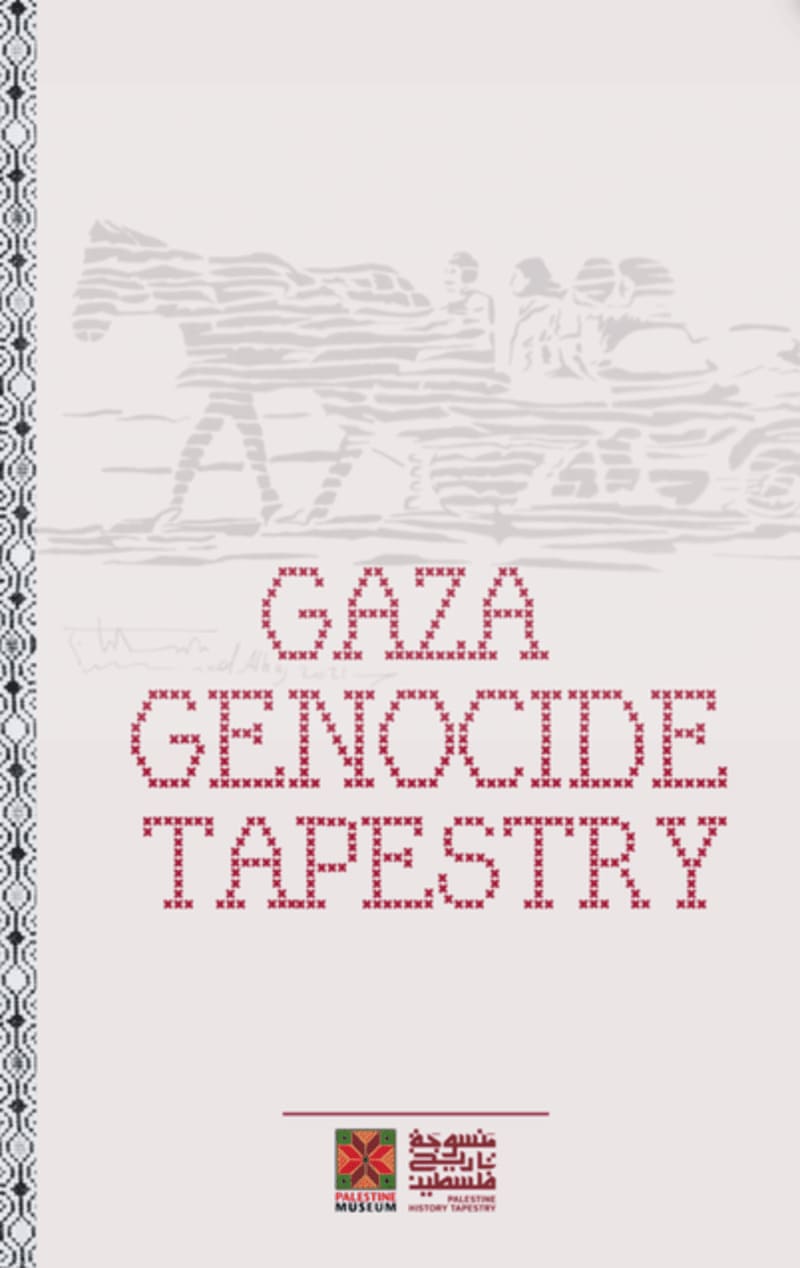

ENGLISH
The Palestinian History Tapestry
The award winning Palestinian History Tapestry uses the embroidery skills of Palestinian women to illustrate aspects of the land and peoples of Palestine – from Neolithic times to the present. In the past, Palestinian embroiderers have mainly used cross stitch (tatreez) and geometric designs to decorate dresses and other items.
Although some of these designs have been used in parts of the Palestinian History Tapestry, the Tapestry is a further development of traditional Palestinian embroidery. It shows how the creativity and imagination of Palestinian embroiderers has been used to represent the complicated illustrative imagery required for a history tapestry.
The Palestinian History Tapestry was proposed in 2011 by Jan Chalmers. Jan had worked for the United Nations Relief and Works Agency in Gaza and was familiar with Palestinian embroidery. She had also contributed to the creation of a 122-metre South African history tapestry stitched by village women living in poverty on the Eastern Cape of South Africa. The Keiskamma Tapestry, as it is known, illustrates 300 years of history leading to the end of apartheid, and it is now on permanent display in the Parliament House in Cape Town.
Jan’s proposal for a Palestinian history tapestry led Palestinians and friends to work together to establish and develop the Palestinian History Tapestry Project. The work of the embroiderers has been funded by charitable donations, and from sales of Palestinian embroidery.
The first phase of the Project was completed in 2018. Formal launch events coincided with the 70th Anniversary of ‘The Nakba’ (‘The Catastrophe’) – the ethnic cleansing of Palestine. This resulted in the forcible removal of 750,000 Palestinians from their homes, and the creation of the State of Israel.
The Tapestry was launched in London on 11 December, the day on which, in 1948, the United Nations General Assembly adopted resolution 194. This resolved that:
“refugees wishing to return to their homes and live at peace with their neighbours should be permitted to do so at the earliest practicable date, and [that] compensation should be paid for the property of those choosing not to.”
The names of Palestinians who have contributed to the Project are followed [in parentheses] by the names of the places in Palestine from which their families originate, followed by their current locations. Their involvement in the Palestinian History Tapestry is an expression of ‘sumud’ (steadfastness). Their work, done in collaboration with friends, will hopefully draw attention not only to Palestinian history and heritage, but also to the internationally declared right of Palestinians to return to their homes.
ESPAÑOL
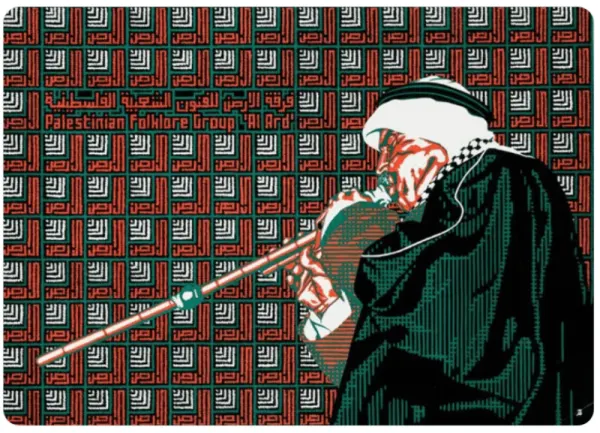
Al Ard — “The Land” — Palestinian folklore group. Al Ard - The Land- La Tierra. Grupo de folklore palestino
Publicado hace 13 días.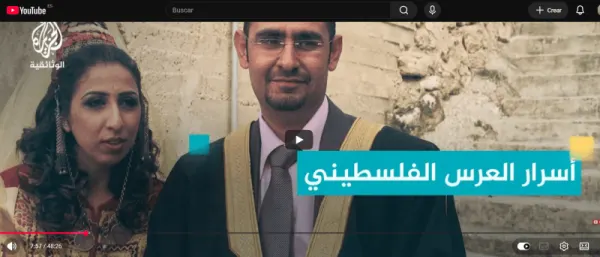
تغاريد عرس فلسطيني.. حكاية تراث لا يموت Preparativos, canciones de boda palestina: Un documental/relato de patrimonio perdurable
Publicado hace 13 días.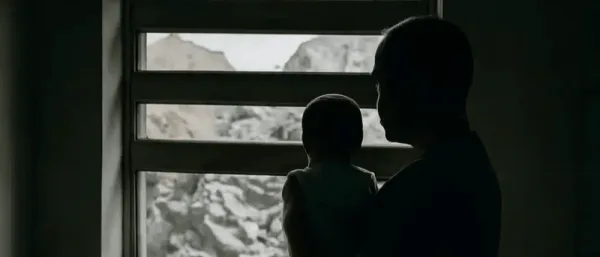
Citizen Osama. Documental
Publicado hace 14 días.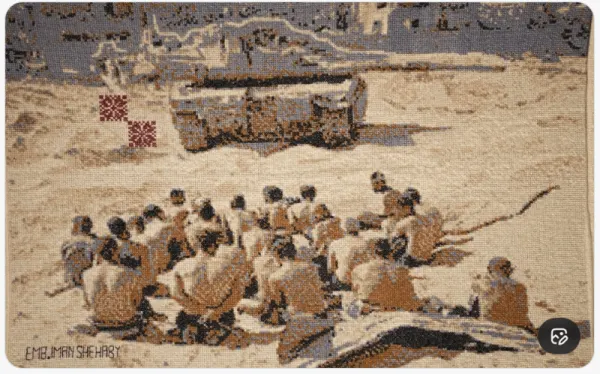
"Gaza. No words" Exhibition Venice. Gaza, sin palabras. Exposición Venecia. ENG ESP
Publicado el 18 de septiembre.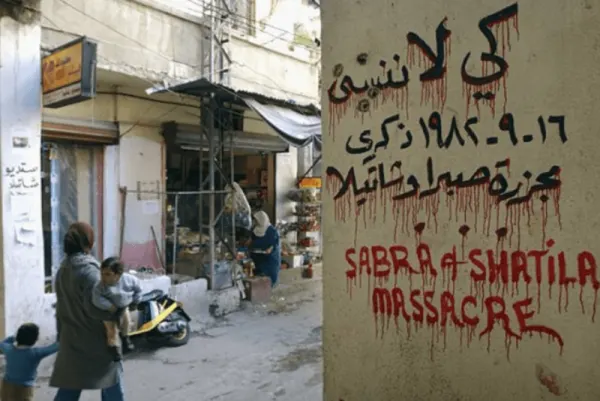
"Moving towards home". June Jordan. 44 years since the Sabra and Sathila massacres. "Camino al hogar"- 44 años desde la masacre de Sabra y Sathila. ENG ESP
Publicado el 15 de septiembre.
Palestine, war of memory. Palestina, memoria de guerra.
Publicado el 11 de septiembre.
Naza ("No other land"), documental, el genocidio de Gaza desde una sala de exterminio con aire acondicionado
Publicado el 11 de septiembre.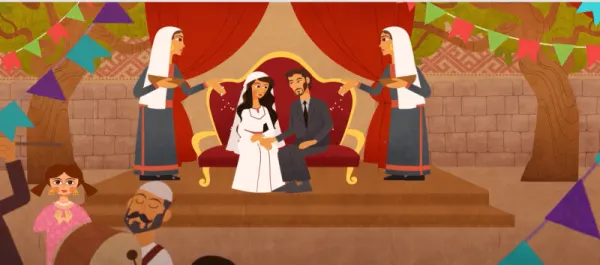
"All we have" Palestinian animation film. "Todo lo que tenemos" dibujos animados palestinos. ENG ESP
Publicado el 3 de septiembre.Ver más / See more
