

USA support of Israel. The unmatched power of the Israel Lobby. El apoyo de Estados Unidos a Israel. El poder sin parangón del lobby israelí. ENG ESP

Publicado el 29 de agosto.
Israel has infected the United States through the Israeli lobby and turned it into a zombie that acts in Israel's own best interests. Israel ha infectado Estados Unidos a través del lobby israelí y lo ha convertido en un zombi que actúa en favor del propio Israel

London Review of Books
Vol. 28 No. 6 · 23 March 2006
El lobby israelí
John Mearsheimer y Stephen Walt
Artículo que se publicó en 2007 como libro. Aquí el PDF de dicho libro, en español
Resumen:
Israel es un parásito de Estados Unidos, como es el Ophiocordyceps unilateralis (hongo zombi “zombie-ant fungus”) es hongo parásito de las hormigas.
Israel ha infectado Estados Unidos a través del lobby israelí y lo ha covertido en un zombi que actúa en favor del propio Israel y en contra de los mejores intereses de Estados Unidos.
Israel ha infectado Estados Unidos a través del lobby israelí y lo ha covertido en un zombi que actúa en favor del propio Israel y en contra de los mejores intereses de Estados Unidos.
Entrevista-vídeo 20 años después, en 2026, en español La mayor amenaza a la libertad de expresión: el lobby israelí
Entrevista-escrita en 2024, en español: "El lobby es tan poderoso como siempre. La gran diferencia entre el momento en que escribimos el libro y ahora es que las actividades del lobby son hoy más públicas"
[John Mearsheimer is the R. Wendell Harrison Distinguished Service Professor of Political Science at the University of Chicago (USA)]
Durante las últimas décadas, y especialmente desde la Guerra de los Seis Días en 1967, el eje central de la política estadounidense en Oriente Medio ha sido su relación con Israel. La combinación de un apoyo inquebrantable a Israel y el consiguiente esfuerzo por difundir la «democracia» en la región ha exacerbado la opinión pública árabe e islámica y ha puesto en peligro no solo la seguridad de Estados Unidos, sino también la de gran parte del resto del mundo. Esta situación no tiene parangón en la historia política estadounidense.
¿Por qué Estados Unidos ha estado dispuesto a dejar de lado su propia seguridad y la de muchos de sus aliados para promover los intereses de otro Estado? Podría suponerse que el vínculo entre ambos países se basaba en intereses estratégicos compartidos o en imperativos morales imperiosos, pero ninguna de estas explicaciones justifica el notable nivel de apoyo material y diplomático que Estados Unidos proporciona. En cambio, la política estadounidense en la región se deriva casi por completo de la política interna, y especialmente de las actividades del lobby israelí. Otros grupos de interés han logrado influir en la política exterior, pero ningún lobby ha conseguido desviarla tanto de lo que dictaría el interés nacional, convenciendo al mismo tiempo a los estadounidenses de que los intereses de Estados Unidos y los del otro país —en este caso, Israel— son esencialmente idénticos.
Desde la Guerra de Octubre de 1973, Washington ha proporcionado a Israel un nivel de apoyo que supera con creces el otorgado a cualquier otro Estado. Ha sido el mayor receptor anual de asistencia económica y militar directa desde 1976, y el mayor receptor total desde la Segunda Guerra Mundial, con una suma que supera los 140.000 millones de dólares (en dólares de 2004). Israel recibe aproximadamente 3.000 millones de dólares en asistencia directa cada año, lo que representa cerca de una quinta parte del presupuesto de ayuda exterior y equivale a unos 500 dólares anuales por cada israelí.
Esta generosidad resulta especialmente llamativa, dado que Israel es ahora un Estado industrial próspero con un ingreso per cápita similar al de Corea del Sur o España. Otros países reciben sus fondos en cuotas trimestrales, pero Israel recibe la totalidad de su asignación al inicio de cada año fiscal y, por lo tanto, puede obtener intereses. La mayoría de los países que reciben ayuda militar deben gastarla íntegramente en Estados Unidos, pero a Israel se le permite utilizar aproximadamente el 25 % de su asignación para subvencionar su propia industria de defensa.
Es el único país que no tiene que rendir cuentas sobre el uso de la ayuda, lo que hace prácticamente imposible impedir que el dinero se utilice para fines que Estados Unidos rechaza, como la construcción de asentamientos en Cisjordania. Además, Estados Unidos ha proporcionado a Israel casi 3.000 millones de dólares para el desarrollo de sistemas de armamento y le ha dado acceso a armamento de última generación, como helicópteros Black Hawk y aviones F-16. Finalmente, Estados Unidos proporciona a Israel acceso a información de inteligencia que niega a sus aliados de la OTAN y ha hecho la vista gorda ante la adquisición de armas nucleares por parte de Israel. Washington también brinda a Israel un apoyo diplomático constante.
Desde 1982, Estados Unidos ha vetado 32 resoluciones del Consejo de Seguridad que criticaban a Israel, más que el total de vetos emitidos por todos los demás miembros del Consejo. Bloquea los esfuerzos de los estados árabes por incluir el arsenal nuclear israelí en la agenda del OIEA. Estados Unidos acude al rescate en tiempos de guerra y se pone del lado de Israel en las negociaciones de paz. La administración Nixon lo protegió de la amenaza de la intervención soviética y lo reabasteció durante la Guerra de Octubre. Washington participó activamente en las negociaciones que pusieron fin a esa guerra, así como en el largo proceso gradual que le siguió, al igual que desempeñó un papel clave en las negociaciones que precedieron y siguieron a los Acuerdos de Oslo de 1993.
En cada caso hubo fricciones ocasionales entre funcionarios estadounidenses e israelíes, pero Estados Unidos apoyó sistemáticamente la posición israelí. Un participante estadounidense en Camp David en el año 2000 declaró posteriormente: «Con demasiada frecuencia, actuamos como abogados de Israel». Finalmente, la ambición del gobierno de Bush de transformar Oriente Medio apunta, al menos en parte, a mejorar la situación estratégica de Israel.
Esta extraordinaria generosidad podría ser comprensible si Israel fuera un activo estratégico vital o si existiera una razón moral de peso para el apoyo estadounidense. Sin embargo, ninguna de estas explicaciones resulta convincente. Podría argumentarse que Israel fue un activo durante la Guerra Fría. Al servir como aliado de Estados Unidos después de 1967, contribuyó a contener la expansión soviética en la región e infligió humillantes derrotas a aliados soviéticos como Egipto y Siria. En ocasiones, ayudó a proteger a otros aliados estadounidenses (como el rey Hussein de Jordania) y su poderío militar obligó a Moscú a invertir más en el apoyo a sus propios estados aliados. También proporcionó información valiosa sobre las capacidades soviéticas.
Apoyar a Israel, sin embargo, no fue barato y complicó las relaciones de Estados Unidos con el mundo árabe. Por ejemplo, la decisión de otorgar 2.200 millones de dólares en ayuda militar de emergencia durante la Guerra de Octubre desencadenó El embargo petrolero de la OPEP que causó daños considerables a las economías occidentales. A pesar de ello, las fuerzas armadas israelíes no estaban en condiciones de proteger los intereses estadounidenses en la región.
Por ejemplo, Estados Unidos no pudo contar con Israel cuando la Revolución iraní de 1979 generó preocupación por la seguridad del suministro petrolero, y tuvo que crear su propia Fuerza de Despliegue Rápido. La primera Guerra del Golfo reveló hasta qué punto Israel se estaba convirtiendo en una carga estratégica. Estados Unidos no podía utilizar las bases israelíes sin desestabilizar la coalición anti-Irak, y tuvo que desviar recursos (como baterías de misiles Patriot) para evitar que Tel Aviv hiciera algo que pudiera perjudicar la alianza contra Saddam Hussein.
La historia se repitió en 2003: aunque Israel deseaba que Estados Unidos atacara Irak, Bush no podía pedirle ayuda sin provocar la oposición árabe. Así pues, Israel se mantuvo al margen una vez más.
Desde la década de 1990, y aún más después del 11-S, el apoyo estadounidense se ha justificado con el argumento de que ambos estados están amenazados por grupos terroristas originarios del mundo árabe y musulmán, y por «estados canallas» que respaldan a estos grupos y buscan armas de destrucción masiva. Esto se interpreta como que Washington no solo debería dar a Israel vía libre para tratar con los palestinos y no presionarlo para que haga concesiones hasta que todos los terroristas palestinos estén encarcelados o muertos, sino que Estados Unidos debería perseguir a países como Irán y Siria.
De este modo, se considera a Israel un aliado crucial en la guerra contra el terrorismo, porque sus enemigos son enemigos de Estados Unidos. En realidad, Israel representa un lastre en la guerra contra el terrorismo y en el esfuerzo más amplio por lidiar con los estados canallas. El «terrorismo» no es un adversario único, sino una táctica empleada por una amplia gama de grupos políticos.
Las organizaciones terroristas que amenazan a Israel no amenazan a Estados Unidos, excepto cuando este interviene contra ellas (como en el Líbano en 1982). Además, el terrorismo palestino no es violencia indiscriminada dirigida contra Israel o «Occidente». Se trata, en gran medida, de una respuesta a la prolongada campaña israelí para colonizar Cisjordania y la Franja de Gaza. Más importante aún, afirmar que Israel y Estados Unidos están unidos por una amenaza terrorista común invierte la relación causal: Estados Unidos tiene un problema de terrorismo en gran parte debido a su estrecha alianza con Israel, y no al revés.
El apoyo a Israel no es la única fuente de terrorismo antiestadounidense, pero sí una importante, y dificulta la victoria en la guerra contra el terrorismo. No cabe duda de que muchos líderes de Al Qaeda, incluido Osama bin Laden, están motivados por la presencia de Israel en Jerusalén y la difícil situación de los palestinos. El apoyo incondicional a Israel facilita que los extremistas consigan apoyo popular y recluten nuevos miembros.
En cuanto a los llamados estados rebeldes de Oriente Medio, no representan una grave amenaza para los intereses vitales de Estados Unidos, salvo en la medida en que sí la representan para Israel. Incluso si estos Estados adquirieran armas nucleares —lo cual es obviamente indeseable— ni Estados Unidos ni Israel podrían ser chantajeados, ya que quien lo hiciera no podría cumplir la amenaza sin sufrir una represalia abrumadora.
El peligro de una entrega nuclear a terroristas es igualmente remoto, porque un Estado rebelde no podría estar seguro de que la transferencia pasaría desapercibida o de que no sería culpado y castigado posteriormente. De hecho, la relación con Israel dificulta que Estados Unidos trate con estos Estados. El arsenal nuclear israelí es una de las razones por las que algunos de sus vecinos desean armas nucleares, y amenazarlos con un cambio de régimen no hace sino aumentar ese deseo.
Una última razón para cuestionar el valor estratégico de Israel es que no se comporta como un aliado leal. Los funcionarios israelíes ignoran con frecuencia las peticiones estadounidenses e incumplen promesas (incluidas las de detener la construcción de asentamientos y abstenerse de realizar asesinatos selectivos de líderes palestinos). Israel ha proporcionado tecnología militar sensible a potenciales rivales como China, en lo que el inspector general del Departamento de Estado denominó «un patrón sistemático y creciente de transferencias no autorizadas». Según la Oficina de Contabilidad General, Israel también «lleva a cabo las operaciones de espionaje más agresivas contra Estados Unidos de entre todos sus aliados». Además del caso de Jonathan Pollard, quien entregó a Israel grandes cantidades de material clasificado a principios de la década de 1980 (que, según se informa, Israel transmitió a la Unión Soviética a cambio de más visas de salida para judíos soviéticos), en 2004 surgió una nueva controversia cuando se reveló que un alto funcionario del Pentágono, Larry Franklin, había entregado información clasificada a un diplomático israelí.
Israel no es el único país que espía a Estados Unidos, pero su disposición a espiar a su principal aliado genera más dudas sobre su valor estratégico. El valor estratégico de Israel no es el único problema. Sus partidarios también argumentan que merece un apoyo incondicional porque es débil y está rodeado de enemigos; es una democracia; el pueblo judío ha sufrido crímenes en el pasado y, por lo tanto, merece un trato especial; y la conducta de Israel ha sido superior a la de sus adversarios.
Sin embargo, tras un análisis minucioso, ninguno de estos argumentos resulta convincente. Existen sólidos argumentos morales para apoyar la existencia de Israel, pero estos no están en peligro. Desde una perspectiva objetiva, su conducta pasada y presente no ofrece ninguna base moral para privilegiarlo sobre los palestinos.
A menudo se presenta a Israel como David frente a Goliat, pero la realidad es más cercana a lo contrario. Contrariamente a la creencia popular, los sionistas contaban con fuerzas más numerosas, mejor equipadas y mejor dirigidas durante la Guerra de Independencia de 1947-1949, y las Fuerzas de Defensa de Israel obtuvieron victorias rápidas y fáciles contra Egipto en 1956 y contra Egipto, Jordania y Siria en 1967; todo esto antes de que comenzara a llegar la ayuda estadounidense a gran escala.
Hoy en día, Israel es la potencia militar más fuerte de Oriente Medio. Sus fuerzas convencionales son muy superiores a las de sus vecinos y es el único Estado de la región con armas nucleares. Egipto y Jordania han firmado tratados de paz con Israel, y Arabia Saudí se ha ofrecido a hacerlo. Siria ha perdido a su protector soviético, Irak ha sido devastado por tres guerras desastrosas e Irán se encuentra a cientos de kilómetros de distancia. Los palestinos apenas cuentan con una fuerza policial eficaz, y mucho menos con un ejército que pueda representar una amenaza para Israel.
Según una evaluación de 2005 del Centro Jaffee de Estudios Estratégicos de la Universidad de Tel Aviv, «el equilibrio estratégico favorece claramente a Israel, que ha seguido ampliando la brecha cualitativa entre su propia capacidad militar y disuasión y las de sus vecinos». Si apoyar al más débil fuera un motivo convincente, Estados Unidos estaría apoyando a los opositores de Israel.
El hecho de que Israel sea una democracia rodeada de dictaduras hostiles no justifica el nivel actual de ayuda: existen muchas democracias en el mundo, pero ninguna recibe el mismo apoyo generoso. Estados Unidos ha derrocado gobiernos democráticos en el pasado y ha apoyado a dictadores cuando creía que esto beneficiaba sus intereses; hoy mantiene buenas relaciones con varias dictaduras. Algunos aspectos de la democracia israelí están en desacuerdo con los valores fundamentales estadounidenses.
A diferencia de Estados Unidos, donde se supone que las personas gozan de igualdad de derechos independientemente de su raza, religión o etnia, Israel se fundó explícitamente como un Estado judío y la ciudadanía se basa en el principio de parentesco consanguíneo. Por ello, no sorprende que sus 1,3 millones de árabes sean tratados como ciudadanos de segunda clase, ni que una reciente comisión del gobierno israelí concluyera que Israel se comporta de manera negligente y discriminatoria hacia ellos. Su estatus democrático también se ve socavado por su negativa a conceder a los palestinos un Estado viable propio o plenos derechos políticos.
Una tercera justificación es la historia del sufrimiento judío en Occidente, especialmente durante el Holocausto. Dado que los judíos fueron perseguidos durante siglos y solo podían sentirse seguros en una patria judía, muchos creen ahora que Israel merece un trato especial por parte de Estados Unidos. La creación del país fue, sin duda, una respuesta apropiada al largo historial de crímenes contra los judíos, pero también provocó nuevos crímenes contra un tercer grupo mayoritariamente inocente: los palestinos.
Esto fue bien comprendido por los primeros líderes de Israel. David Ben-Gurion le dijo a Nahum Goldmann, presidente del Congreso Judío Mundial: Si yo fuera un líder árabe, jamás llegaría a un acuerdo con Israel. Es lógico: les hemos arrebatado su país... Venimos de Israel, pero hace dos mil años, ¿y qué les importa eso? Ha habido antisemitismo, los nazis, Hitler, Auschwitz, pero ¿acaso fue culpa suya? Solo ven una cosa: hemos venido aquí y les hemos robado su país. ¿Por qué habrían de aceptarlo? Desde entonces, los líderes israelíes han intentado repetidamente negar las aspiraciones nacionales de los palestinos.
Cuando era primera ministra, Golda Meir pronunció la famosa frase: «No existe tal cosa como un palestino». La presión de la violencia extremista y el crecimiento de la población palestina han obligado a los sucesivos líderes israelíes a retirarse de la Franja de Gaza y a considerar otras concesiones territoriales, pero ni siquiera Yitzhak Rabin estuvo dispuesto a ofrecer a los palestinos un Estado viable. La supuesta generosa oferta de Ehud Barak en Camp David solo les habría dado un conjunto de bantustanes desarmados bajo control israelí de facto.
La trágica historia del pueblo judío no obliga a Estados Unidos a ayudar a Israel hoy, independientemente de sus acciones. Los partidarios de Israel también lo presentan como un país que ha buscado la paz en todo momento y ha demostrado gran moderación incluso ante la provocación. Se dice que los árabes, por el contrario, actuaron con gran maldad. Sin embargo, sobre el terreno, el historial de Israel no se distingue del de sus oponentes.
Ben-Gurion reconoció que los primeros sionistas distaban mucho de ser benevolentes con los árabes palestinos, que resistieron sus invasiones, lo cual no es de extrañar, dado que los sionistas intentaban crear su propio Estado en territorio árabe. Del mismo modo, la creación de Israel en 1947-1948 implicó actos de discriminación étnica.
La limpieza étnica, que incluyó ejecuciones, masacres y violaciones cometidas por judíos, y la posterior conducta de Israel han sido a menudo brutales, desmintiendo cualquier pretensión de superioridad moral. Entre 1949 y 1956, por ejemplo, las fuerzas de seguridad israelíes asesinaron entre 2700 y 5000 infiltrados árabes, la inmensa mayoría de ellos desarmados.
Las Fuerzas de Defensa de Israel (FDI) asesinaron a cientos de prisioneros de guerra egipcios tanto en la guerra de 1956 como en la de 1967, mientras que en 1967 expulsaron entre 100 000 y 260 000 palestinos de la recién conquistada Cisjordania y expulsaron a 80 000 sirios de los Altos del Golán.
Durante la Primera Intifada, las FDI distribuyeron porras a sus tropas y las incitaron a fracturar los huesos de los manifestantes palestinos. La filial sueca de Save the Children estimó que entre 23.600 y 29.900 niños necesitaron atención médica por las lesiones sufridas durante los dos primeros años de la intifada. Casi un tercio de ellos eran menores de diez años.
La respuesta a la segunda intifada ha sido aún más violenta, lo que llevó a Ha'aretz a declarar que «las Fuerzas de Defensa de Israel (FDI) se están convirtiendo en una máquina de matar cuya eficacia es impresionante, pero a la vez impactante». Las FDI dispararon un millón de balas en los primeros días del levantamiento.
Desde entonces, por cada israelí fallecido, Israel ha matado a 3,4 palestinos, la mayoría de los cuales eran transeúntes inocentes; la proporción de niños palestinos frente a niños israelíes muertos es aún mayor (5,7:1). También conviene recordar que los sionistas recurrieron a atentados terroristas para expulsar a los británicos de Palestina, y que Yitzhak Shamir, ex terrorista y posteriormente primer ministro, declaró que «ni la ética judía ni la tradición judía pueden descalificar el terrorismo como medio de combate».
El recurso palestino al terrorismo es reprobable, pero no sorprendente. Los palestinos creen que no tienen otra forma de forzar concesiones israelíes. Como admitió Ehud Barak, de haber nacido palestino, «se habría unido a una organización terrorista».
Entonces, si ni los argumentos estratégicos ni los morales pueden justificar el apoyo de Estados Unidos a Israel, ¿cómo lo explicamos? La explicación reside en el poder sin precedentes del lobby israelí.
Utilizamos el término «lobby» para referirnos a la coalición informal de individuos y organizaciones que trabajan activamente para orientar la política exterior estadounidense hacia una dirección proisraelí. Esto no implica que «el lobby» sea un movimiento unificado con un liderazgo central, ni que sus miembros no discrepen en ciertos temas.
No todos los judíos estadounidenses forman parte del lobby, ya que Israel no es un tema prioritario para muchos de ellos. En una encuesta de 2004, por ejemplo, aproximadamente el 36% de los judíos estadounidenses afirmó no tener un vínculo emocional con Israel, o bien no tenerlo en absoluto. Los judíos estadounidenses también discrepan sobre las políticas específicas de Israel.
Muchas de las organizaciones clave del lobby, como el Comité de Asuntos Públicos Estadounidense-Israelí (AIPAC) y la Conferencia de Presidentes de las Principales Organizaciones Judías, están dirigidas por sectores intransigentes que generalmente apoyan las políticas expansionistas del partido Likud, incluyendo su hostilidad hacia el proceso de paz de Oslo. La mayor parte de la comunidad judía estadounidense, por su parte, se inclina más a hacer concesiones a los palestinos, y algunos grupos, como Jewish Voice for Peace, defienden firmemente tales medidas. A pesar de estas diferencias, tanto moderados como intransigentes abogan por brindar un apoyo firme a Israel. No es de extrañar que los líderes judíos estadounidenses consulten frecuentemente con funcionarios israelíes para asegurarse de que sus acciones contribuyan a los objetivos de Israel.
Como escribió un activista de una importante organización judía: «Es habitual que digamos: “Esta es nuestra postura sobre un tema en particular, pero debemos consultar la opinión de los israelíes”. Como comunidad, lo hacemos constantemente». Existe un fuerte prejuicio contra la crítica a la política israelí, y presionar a Israel se considera inapropiado. Edgar Bronfman Sr., presidente del Congreso Judío Mundial, fue acusado de «perfidia» cuando, a mediados de 2003, escribió una carta al presidente Bush instándolo a persuadir a Israel para que frenara la construcción de su controvertida «valla de seguridad». Sus críticos afirmaron que «sería obsceno que el presidente del Congreso Judío Mundial presionara al presidente de Estados Unidos para que se opusiera a las políticas promovidas por el gobierno de Israel». De manera similar, cuando el presidente del Foro de Política de Israel, Seymour Reich, aconsejó a Condoleezza Rice en noviembre de 2005 que solicitara a Israel la reapertura de un cruce fronterizo crucial en la Franja de Gaza, su acción fue denunciada como «irresponsable»: «No hay absolutamente ningún lugar en la corriente principal judía para hacer campaña activamente contra las políticas de seguridad de Israel», declararon sus críticos.
Tras estos ataques, Reich anunció que «la palabra “presión” no forma parte de mi vocabulario cuando se trata de Israel». Los judíos estadounidenses han creado una impresionante variedad de organizaciones para influir en la política exterior estadounidense, de las cuales AIPAC es la más poderosa y conocida. En 1997, la revista Fortune solicitó a los miembros del Congreso y a sus equipos que elaboraran una lista de los grupos de presión más influyentes de Washington.
La AIPAC ocupó el segundo lugar, detrás de la Asociación Estadounidense de Personas Jubiladas (AARP), pero por delante de la AFL-CIO y la Asociación Nacional del Rifle (NRA). Un estudio del National Journal de marzo de 2005 llegó a una conclusión similar, situando a AIPAC en segundo lugar (empatada con la AARP) en el ranking de influencia política de Washington.
El lobby también incluye a destacados evangélicos cristianos como Gary Bauer, Jerry Falwell, Ralph Reed y Pat Robertson, así como a Dick Armey y Tom DeLay, exlíderes de la mayoría en la Cámara de Representantes, quienes creen que el renacimiento de Israel es el cumplimiento de la profecía bíblica y apoyan su agenda expansionista; consideran que actuar de otro modo sería contrario a la voluntad de Dios.
Neoconservadores no judíos como John Bolton; Robert Bartley, exeditor del Wall Street Journal; William Bennett, exsecretario de Educación; Jeane Kirkpatrick, exembajadora ante la ONU; y el influyente columnista George Will también son firmes partidarios.
La forma de gobierno estadounidense ofrece a los activistas numerosas maneras de influir en el proceso político. Los grupos de interés pueden presionar a los representantes electos y a los miembros del poder ejecutivo, realizar contribuciones a campañas políticas, votar en elecciones, intentar moldear la opinión pública, etc. Gozan de una influencia desproporcionada cuando se comprometen con un tema que resulta indiferente para la mayor parte de la población.
Los legisladores tienden a complacer a quienes se preocupan por el tema, incluso si son pocos, confiando en que el resto de la población no los penalizará por ello. En su funcionamiento básico, el lobby israelí no se diferencia del lobby agrícola, los sindicatos de trabajadores siderúrgicos o textiles, u otros lobbys étnicos.
No hay nada impropio en que los judíos estadounidenses y sus aliados cristianos intenten influir en la política estadounidense: las actividades del lobby no constituyen una conspiración como la descrita en tratados como los Protocolos de los Sabios de Sion. En su mayoría, los individuos y grupos que lo conforman simplemente hacen lo que hacen otros grupos de interés, pero con mucha más eficacia. Por el contrario, los grupos de interés proárabes, si es que existen, son débiles, lo que facilita aún más la tarea del lobby israelí.
El lobby persigue dos estrategias principales. En primer lugar, ejerce su considerable influencia en Washington, presionando tanto al Congreso como al poder ejecutivo. Independientemente de las opiniones de cada legislador o responsable político, el lobby intenta presentar el apoyo a Israel como la opción más acertada. En segundo lugar, se esfuerza por garantizar que el discurso público presente a Israel de forma positiva, repitiendo mitos sobre su fundación y promoviendo su punto de vista en los debates políticos.
El objetivo es impedir que las críticas tengan cabida en la arena política. Controlar el debate es esencial para garantizar el apoyo estadounidense, ya que un análisis franco de las relaciones entre Estados Unidos e Israel podría llevar a los estadounidenses a favorecer una política diferente. Un pilar fundamental de la eficacia del lobby es su influencia en el Congreso, donde Israel es prácticamente inmune a las críticas. Esto resulta notable, dado que el Congreso rara vez rehúye los temas polémicos. Sin embargo, cuando se trata de Israel, los posibles críticos guardan silencio.
Una de las razones es que algunos miembros clave son sionistas cristianos, como Dick Armey, quien declaró en septiembre de 2002: «Mi prioridad número uno en política exterior es proteger a Israel». Cabría pensar que la prioridad número uno de cualquier congresista sería proteger a Estados Unidos. También hay senadores y congresistas judíos que trabajan para garantizar que la política exterior estadounidense apoye los intereses de Israel.
Otra fuente del poder del lobby reside en el uso de personal del Congreso afín a Israel. Como admitió en su momento Morris Amitay, exdirector de AIPAC: «Hay muchos funcionarios aquí arriba» —en el Capitolio— «que son judíos y están dispuestos a considerar ciertos asuntos desde su perspectiva judía... Todos ellos tienen la capacidad de tomar decisiones en estas áreas para esos senadores... Se puede lograr muchísimo simplemente a nivel de personal».
Sin embargo, AIPAC constituye el núcleo de la influencia del lobby en el Congreso. Su éxito se debe a su capacidad para recompensar a los legisladores y candidatos al Congreso que apoyan su agenda, y para castigar a quienes la desafían. El dinero es crucial en las elecciones estadounidenses (como nos recuerda el escándalo de los turbios negocios del lobista Jack Abramoff), y AIPAC se asegura de que sus aliados reciban un fuerte apoyo financiero de los numerosos comités de acción política proisraelíes.
Cualquiera que sea visto como hostil a Israel puede estar seguro de que AIPAC dirigirá contribuciones de campaña a sus oponentes políticos. AIPAC también organiza campañas de envío de cartas y anima a los editores de periódicos a respaldar a los candidatos proisraelíes. No cabe duda de la eficacia de estas tácticas.
...
...
El libro/artículo completo en inglés aquí

 Available in
 Los soldados israelíes asesinan a civiles indefensos y los "cuentan" como terroristas. ESPAÑOL ENGLISH
No asesinan, simplemente "eliminan"
Publicado ayer.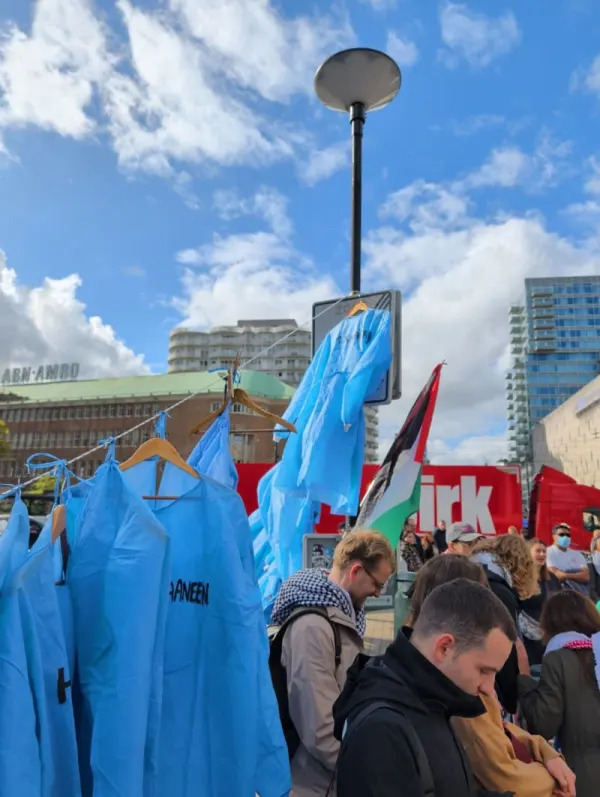 Available in
 Nota de prensa. 81 batas colgadas ante la Asociación Médica Mundial AMM. ESPAÑOL ENGLISH
La Asociación Médica Israelí fuera de la AMM. En representación de 81 trabajadores palestinos en cárceles israelíes.
Publicado hace 3 días. Available in
 Miles de médicos y profesionales de sanidad piden la expulsión de la Asociación Médica Israelí de la Asociación Médica Israelí. ESPAÑOL ENGLISH
La Asociación Médica Israelí incumple sus responsabilidades hacia los pacientes palestinos.
Publicado hace 4 días. Available in
 Reino Unido. El Real Colegio de Farmacia y el Real Colegio de Enfermería ponen fin al patrocinio de Teva
Por las preocupaciones surgidas por sus actividades
Publicado hace 4 días.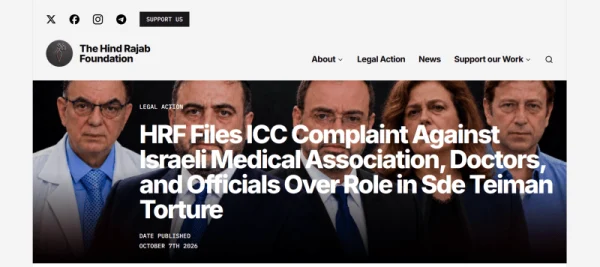 Available in
 Crímenes de guerra. La Fundación Hind Rajab ante la CPI: implicación de funcionarios del gobierno de Israel y la Asociación Médica. ESPAÑOL ENGLISH
Muerte, tortura y malos tratos a detenidos palestinos recluidos en el centro de detención de Sde Teiman desde el 7 de octubre de 2023.
Publicado hace 5 días. Available in
 ESPAÑA. Boicot a Teva. Resumen. Octubre 2026. Actualización. ESPAÑOL ENGLISH
Nadie es "inocente", tampoco España.
Publicado hace 7 días. Available in
 Vall d'Hebron Institut de Recerca (VHIR), Barcelona, España, y sus conflictos de interés con Teva. Vall d'Hebron Institute of Research (VHIR), Barcelona, Spain, and its conflicts of interest with Teva. ESP ENG
Dinero (de Teva España) e influencia (de Teva Israel). Money (from Teva Spain) and influence (from Teva Israel).
Publicado hace 13 días.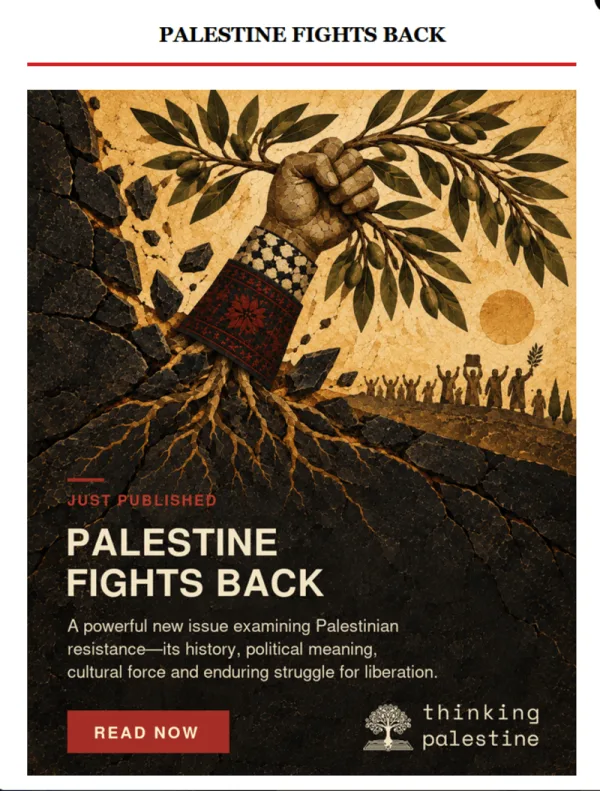 Available in
 “Resist by all available means—armed resistance, cultural resistance and economic resistance.” «Resistir por todos los medios disponibles: resistencia armada, resistencia cultural y resistencia económica». ENG ESP
Breaking the Taboo: Palestine and Armed Resistance. Sin tabués: la resistencia armada palestina.
Publicado el 17 de septiembre.Ver más / See more
