

During Gaza’s Ceasefire, Children Keep Being Killed. Israel sigue asesinando a la infancia en Gaza durante el "alto el fuego" ENG ESP
During Gaza’s Ceasefire, Children Keep Being Killed
Summary of what was said by UNICEF Spokesperson, James Elder, to whom quoted text may be attributed – at today's press briefing at the Palais des Nations in Geneva
13 January 2026
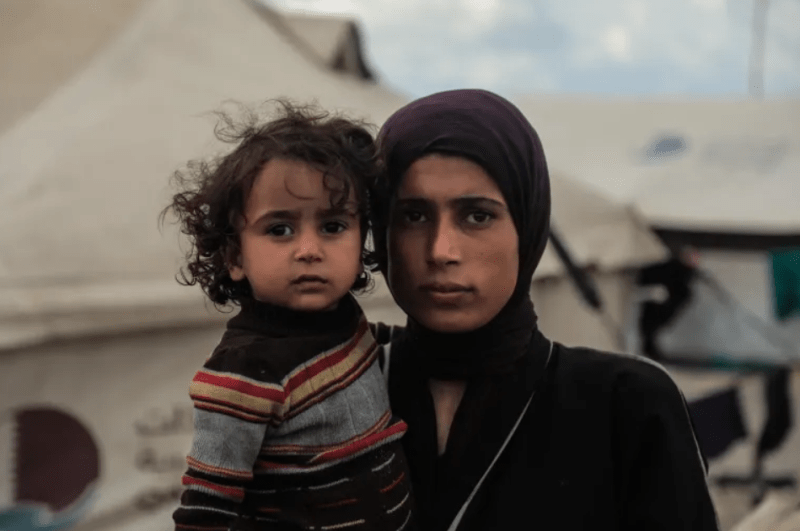
Photo: UNICEF/UNI901367/Nateel
“More than 100 children have been killed in Gaza since the ceasefire of early October. That is roughly one girl or boy killed every day. During a ceasefire".
“Life in Gaza remains suffocating. Survival is still conditional. Whilst the bombings and shooting have slowed during the ceasefire, they have not stopped.
“What the world now calls “calm” would be considered a crisis anywhere else. Unfortunately, the ceasefire has had an unintended effect: Palestinian children in Gaza have disappeared from view.
“Since the ceasefire UNICEF has recorded reports of at least 60 boys and 40 girls killed in the Gaza Strip. The 100 figure only reflects incidents where sufficient details have been available to record, so the actual number of Palestinian children killed is expected to be higher. Hundreds of children have been wounded.
“I sat with one such victim a few days ago. Nine-year-old Abid Al Rahman was collecting wood with his friends in Khan Younis when an airstrike hit. Shrapnel ripped into his eye —that shard of explosive metal is still lodged there.”
“At the same time, as strikes continue, severe restrictions remain on many essentials in Gaza – from some essential medical supplies to cooking gas, fuel to parts for lifesaving water and sanitation systems.
“It is important to note that the ceasefire has allowed genuine progress in areas:
“In health, UNICEF and partners have expanded primary healthcare services, including immunisation, in particular to the completely unserved north, as people try to move home.
“To improve hygiene and sanitation, UNICEF is using everything from donkeys to bulldozers, and removing one thousand tonnes of solid waste every month.
“It has been raining and bitterly cold recently in Gaza, but the preparations UNICEF started for winter mean we have supplied almost one million thermal blankets & hundreds and hundreds of thousands of winter clothing kits for children.
“Remarkably, we have made urgent and lifesaving repairs to water pipelines, pumping stations and sewerage networks, all on the back of Palestinian ingenuity more than spare parts being allowed in.
“And in nutrition, we have added more than 70 nutrition facilities across Gaza. Famine has retreated.
“Even with modest gains, two years of war have left life for Gaza’s children unimaginably hard. Children still live in fear, and their psychological damage remains untreated—becoming deeper and harder to heal the longer this goes on.
“A ceasefire that slows the bombs is progress — but one that still buries children is not enough. It is a warning, and it demands enforcement, humanitarian access, and accountability".
“This is the time to turn reduced violence into real safety: open access for aid, massively increase medical evacuation, and make this the moment when the killing of children in Gaza truly ends.”
ESPAÑOL

The GazaIndex. GazaDatos
Publicado el 11 de septiembre.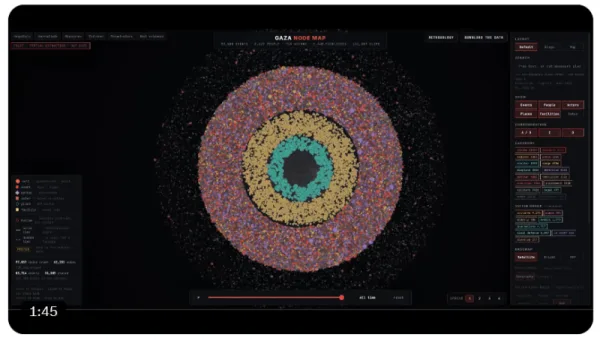
Gaza Node Map. Mapa de Nodos de Gaza.
Publicado el 7 de septiembre.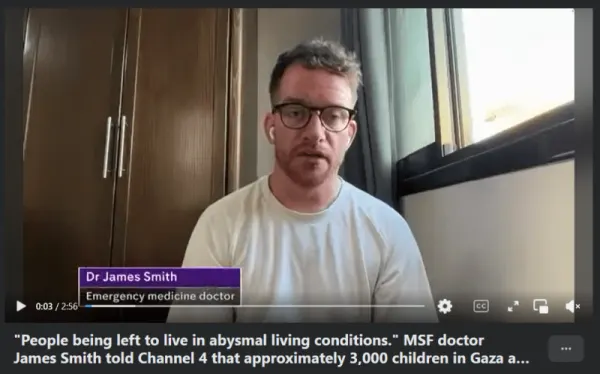
Gaza "People being left to live in abysmal living conditions." "Condiciones de vida infrahumanas"
Publicado el 3 de septiembre.![Poor response from the Israeli Medical Association [expulsion of the World Medical Association]. ENG ESP](https://res.cloudinary.com/dohlie6or/image/upload/f_webp,q_auto,w_600/v1787675081/c0ue4z5k3kut05cduwyg.png)
Poor response from the Israeli Medical Association [expulsion of the World Medical Association]. ENG ESP
Publicado el 25 de agosto.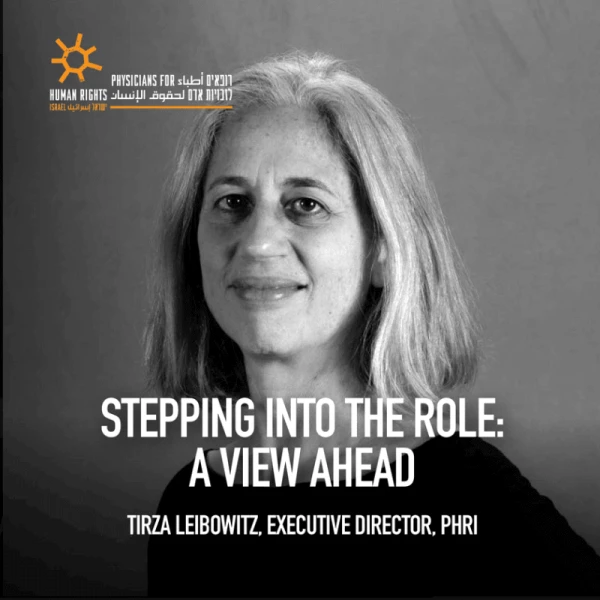
Tirza Leibowitz. Executive director of Physicians for Human Rights Israel. Directora de Médicos for los Derechos Humanos en Israel. ENG ESP
Publicado el 17 de agosto.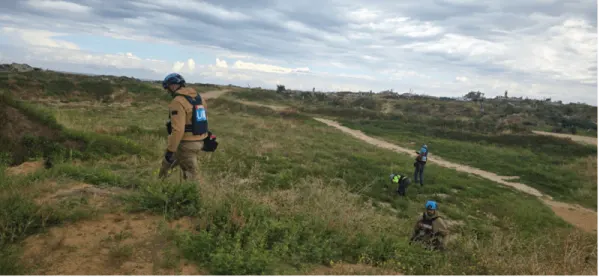
Humanitarian Situation Report | 7 August 2026. Informe sobre la situación humanitaria, actualizado al 7 de agosto de 2026. ENG ESP
Publicado el 10 de agosto.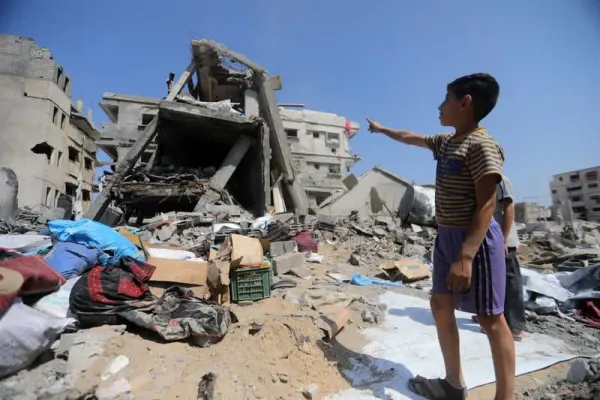
Israel kills without ceasing in Palestine and expands extermination zone in Gaza. Israel asesina sin cesar en Palestina, y expande la zona de destrucción en Gaza. ESP ENG
Publicado el 3 de agosto.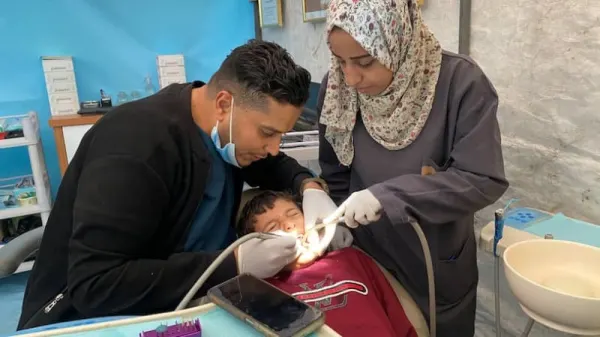
Dental care in Gaza. Atención dental en Gaza. ENG ESP
Publicado el 15 de julio.Ver más / See more
