

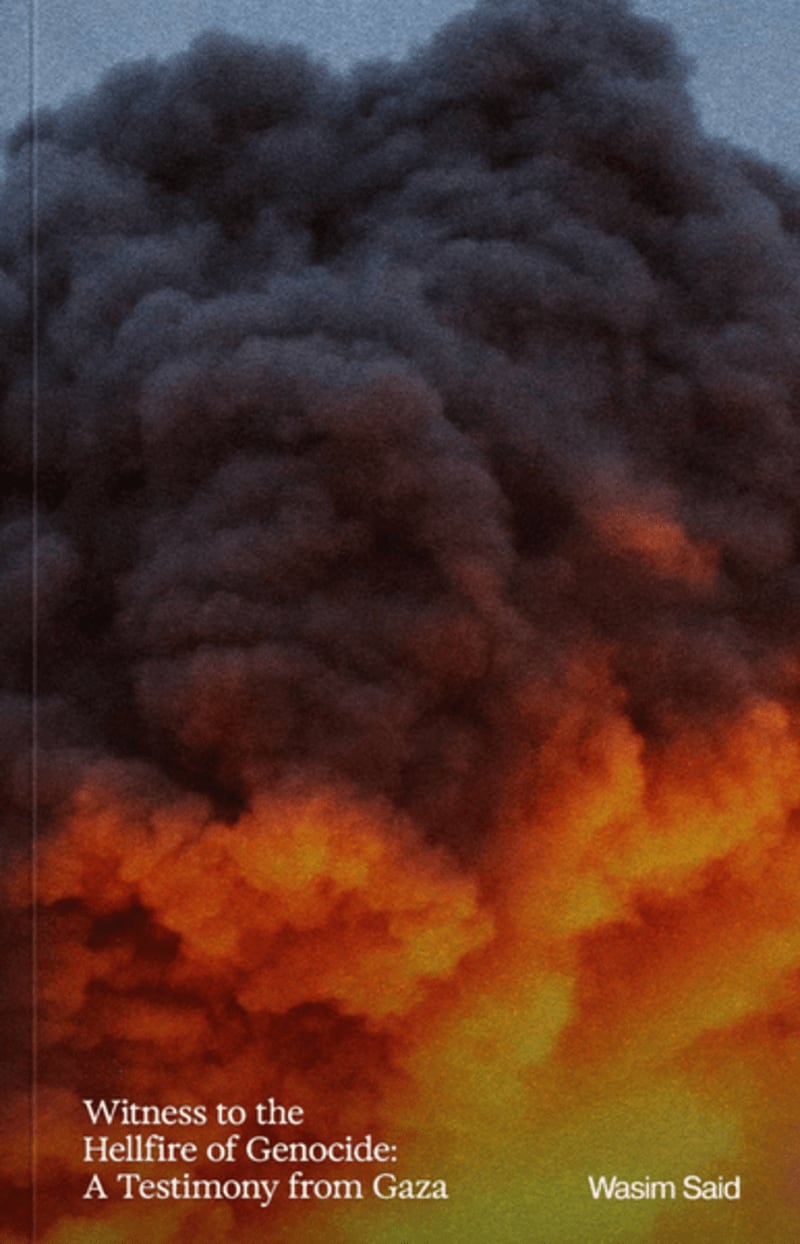
Witness to the Hellfire of Genocide: A Testimony from Gaza. Wasim Said. Desde Gaza, Testigo del Infierno del Genocidio. ENG ESP
ENGLISH
Witness to the Hellfire of Genocide: A Testimony from Gaza
Wasim Said
"I didn't write this to make you cry. Not for you to tell me: "Poor you." I write this so I can hang these words around your neck- to make you bear the responsibility of my perspective, the responsibility of knowing, the responsibility of being a witness".
Unimaginable brutalities unfold within these brief pages, as a young man recounts the story of his world, obliterated. Twenty-two-year-old Wasim Said watched as his life was cast into constant danger when the Israeli occupation began its relentless and genocidal attacks on Gaza after October 7, 2023. In the short gasps between bombardments, Wasim picked up his pen to tell the stories of the atrocities he encountered at every turn: his family scrambling for food and shelter under gunfire, friends and neighbors brutally murdered as they tried to retrieve flour and false aid, the untold stories of those martyred at hospitals, schools, homes.
The stories are difficult to stomach. They are graphic, they are cruel, they are unbearable-just as the Israeli occupation has been since its inception. But as Wasim constantly turns to address the reader, these stories also contain a charge within them. What will you do now that you have the responsibility of knowing? What will you do now that you are a witness just like him?
By Azad Essa
17 October 2025
Author Wasim Said lived through two years of Israel's genocide of Palestinians, collecting reports of atrocities he encountered.
As the world around them was dismantled and burned, the family thought the abandoned house with its shoots of life growing in its little garden would spare them.
It wasn’t long, however, before an Israeli sniper put an end to the brief respite from the bombs.
The mother was shot in the chest as she stirred a pot of lentils over a fire; her six-month-old baby sleeping on her lap.
When her husband tried to take her to the hospital, the snipers opened fire again. Unable to leave, the mother bled out and died.
The burial in the garden attracted further bullets from the Israeli soldiers.
Not knowing what to do, her husband found a solar-powered vertical fridge in the kitchen. They wrapped her in a black plastic bag, tied her with ropes, and then placed her in it, upright.
The children, hoping that they were experiencing a bad dream, would still talk to her.
“Why don’t you speak?” they would ask.
Ten days later, when the gunfire slowed, the father lifted her frozen, stiff body. He wrapped her in a blanket and searched for a spot to bury her.
The story is just one episode inside a new collection of dispatches from Wasim Said’s Witness to Hellfire of Genocide: A Testimony from Gaza.
November 2025
Amid the ongoing and unfathomable agony caused by Israel’s genocidal war in Gaza, a young displaced man is writing a book to express acute Palestinian suffering and tell human stories that would otherwise go unnoticed.
Wasim Said’s book, Witness to the Hellfire of Genocide, chronicles two years of unrelenting war, as well as repeated forced displacement as a result of the relentless Israeli bombardment, ground invasion, destruction and forced starvation.
The 24-year-old shared his story with Al Jazeera’s Hani Mahmoud, describing how he mostly writes inside a tent with nothing in it, including no real protection from the scorching heat in summer or the freezing winter cold and heavy rains.
“Displacement sites and tents have become part of our lives. We’ve had to find ways to adapt to this misery – even though it’s almost impossible,” he said.
Every chapter in Said’s book is named after a person, a place, or a memory he refuses to let disappear.
“I don’t need your sympathy,” he said. “I need a conscience that hasn’t rotted … a human that hasn’t turned to stone, I need a reader who won’t just close the book and sigh – then go to sip their coffee.”
He has spent many nights writing by candlelight because the Israeli military has destroyed nearly all of the infrastructure in Gaza, so there is no electricity or internet for the displaced population.
Said said he did not write for recognition, but to express his emotions and bear witness to the atrocities.
“I was devastated. I couldn’t contain my anger. Writing became the only way to let it out,” he said.
He began by writing about his experiences, but soon realised that there were many who had gone through even more horrific tragedies that he said the human mind cannot imagine.
“People who were killed and buried without anyone knowing. Their final moments. Their fear. I called this chapter The Untold Stories.”
For Said, every page is a form of quiet resistance against forgetting. He said death felt “inevitable” in many instances.
“I wrote because I wanted to leave something behind – to be a witness, not just another martyr. Stories disappear if they’re not documented,” he said.
ESPAÑOL
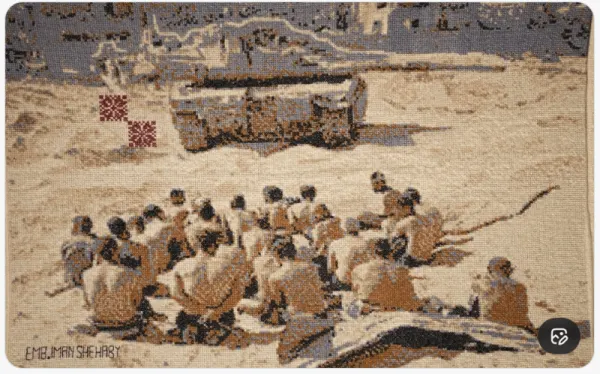
"Gaza. No words" Exhibition Venice. Gaza, sin palabras. Exposición Venecia. ENG ESP
Publicado hace 4 días.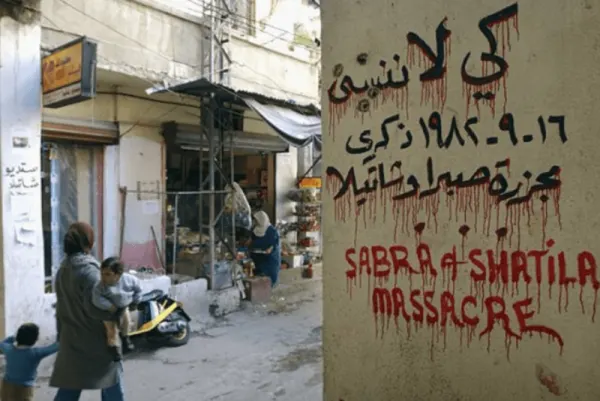
"Moving towards home". June Jordan. 44 years since the Sabra and Sathila massacres. "Camino al hogar"- 44 años desde la masacre de Sabra y Sathila. ENG ESP
Publicado hace 7 días.
Palestine, war of memory. Palestina, memoria de guerra.
Publicado hace 11 días.
Naza ("No other land"), documental, el genocidio de Gaza desde una sala de exterminio con aire acondicionado
Publicado hace 12 días.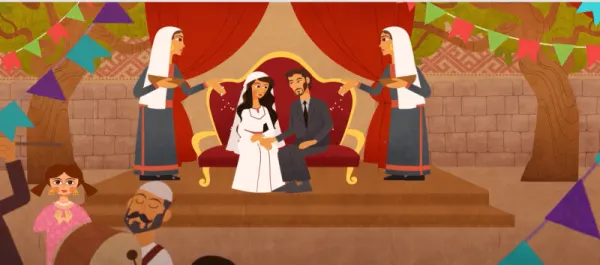
"All we have" Palestinian animation film. "Todo lo que tenemos" dibujos animados palestinos. ENG ESP
Publicado el 3 de septiembre.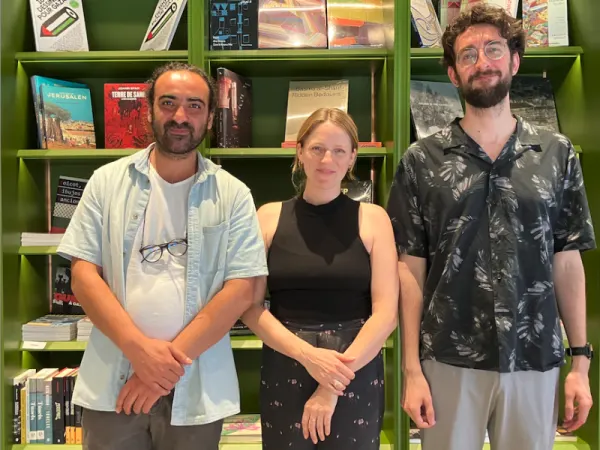
Publishers for Palestine. Cultura de Palestina
Publicado el 25 de agosto.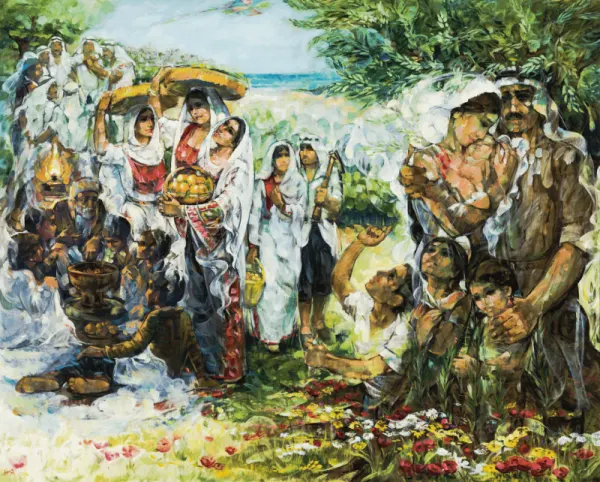
Ismail Shammout, an Ambassador of Palestinian Identity. Ismail Shammout, embajador de la identidad palestina. ENG ESP
Publicado el 24 de agosto.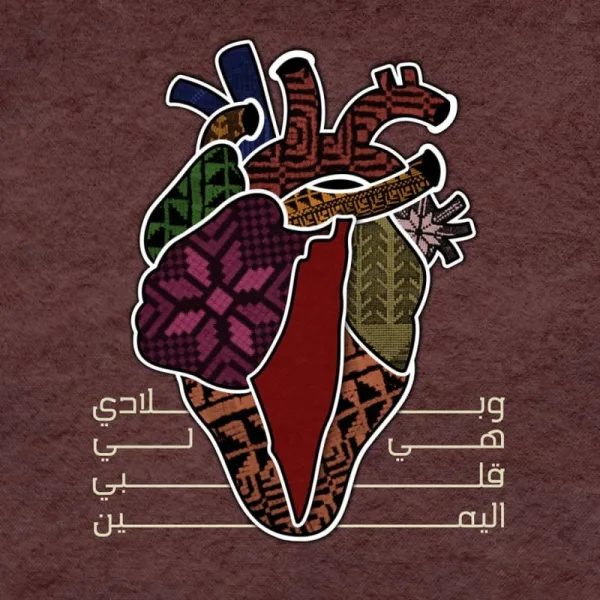
Hiba Walid Yassine. Graphic designer. Diseñadora gráfica. Palestinian Heart. Corazón Palestino. ENG ESP
Publicado el 19 de agosto.Ver más / See more
