Malak Mattar. Gaza Artist and Survivor. Artista gazaití, y sobreviviente. ESP ENG
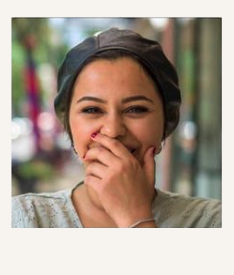
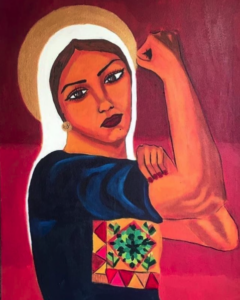
Photo: Malak Mattar, self-portrait (2019)
Video: Gaza-born artist Malak Mattar on her show calling for 'life, equality and dignity' • FRANCE 24 25 sept 2025A Palestinian artist who left her home in Gaza shortly before the October 7 attacks to pursue a masters in fine art in London has spoken to FRANCE 24 about her work. Malak Mattar became the first Palestinian artist to ever have a solo show at the world-renowned Central Saint Martins arts and design college. She says with her exhibition "Falasteen", the Arabic name for Palestine, she channels rage, love and hope into her paintings. She told us the exhibition was a call for "life, equality and dignity". Mattar is also author of the book "Sitti's Bird: A Gaza Story". She spoke to us in Perspective. #Palestine#Gaza#Falasteen
La artista viajó a Londres para estudiar en Central Saint Martins el 6 de octubre del 2023, el día antes del ataque de Hamás. Las escenas de la vida cotidiana en Palestina son el objetivo central de su obra pero el color se ha desvanecido Malak Mattar, la pintora que abandonó el color
Nathan Haimowitz 27/09/2025
“Escuché el hambre en su voz”, recuerda Malak Mattar (Gaza, 1999). Unos días antes de su exposición de graduación en la escuela de arte Central Saint Martins (CSM), Malak Mattar recuerda haber recibido una llamada de su familia. No había nada para comprar, le dijeron, ni siquiera harina. “Corrí al estudio e hice un cartel de una madre y sus hijos, lleno de agonía y ansiedad”, describe. La pieza, de cuatro metros de largo, acabaría colgando en el vestíbulo principal de la escuela. Al dorso de la pintura, un mensaje contundente en pintura negra y roja: “Israel está matando de hambre a mi familia”.
La pintura roja es ahora una excepción. Desde que estalló la guerra, Mattar dejó atrás su antiguo estilo de pinturas oníricas llenas de color. Rara vez sus proyectos actuales abarcan otros tonos que el blanco y negro. Su obra, entonces y hasta hace poco, se caracterizaba por retratos y abrazos. Madres sosteniendo hijas. Hermanas compartiendo sus vidas. Hay gente que me pide que pinte como antes del 7 de octubre, pero me cuesta mucho
“Recibo solicitudes de personas que quieren que pinte como lo hacía antes del 7 de octubre, lo cual me cuesta mucho. Soy una persona nueva y todo ha cambiado”.
Mattar aprendió a navegar las líneas políticas desde el momento en que empezó a pintar en serio a los catorce años. Aprendió mucho de su tío, un videoartista que se centraba en retratar el patrimonio palestino. “Habiendo nacido en los años cincuenta, él sabía lo peligroso que podía ser el arte. Los artistas que hacían trabajo político podían acabar en la cárcel, así que él creció con este sentido de resistencia a la ocupación”.
Su trabajo suele compararse con el canon occidental –un cuadro de Mattar de 2020 denuncia la falta de suministros médicos disponibles en Gaza, durante la pandemia representando mujeres con mascarillas en las que se visualizan escenas de Gernika–, pero sus influencias directas se observan más claramente en el movimiento contemporáneo de arte palestino, New Visions, fundado por Sliman Mansour, Vera Tamari, Tayseer Barakat y Nabil Anan en 1989 como respuesta a la primera intifada (1987). La obra temprana de Mattar se inspira en uno de sus fundadores, Nabil Anani, de las figuras centrales al uso del color.
En 1995, ese colectivo expuso sus obras en Jerusalén. Aquel año, aquel momento, pertenece a un tiempo pasado. Mattar, que comenzó a pintar durante la guerra de Gaza, en 2014, no pudo mostrar su obra en Israel, aunque había sido seleccionada para ello. Sabía que no debía anticipar el envío, ya que la oficina de correos siempre le advertía que el gobierno israelí probablemente interceptaría los paquetes, incluso cuando tenía posibles compradores internacionales interesados.
"Lo más difícil fue que, a veces, cuando lograba llamarlos, caían bombas”
El conocimiento político de Mattar se amplió al estudiar Ciencias Políticas y Relaciones Internacionales en Estambul. Su siguiente paso fue priorizar su desarrollo artístico con un máster en Londres. Partió hacia CSM en avión el 6 de octubre de 2023. Un día después estalló la guerra.
Desde entonces, Mattar comienza cada día escuchando noticias de su familia en Gaza. Aunque sus padres y hermanos pudieron salir seis meses después del inicio del conflicto explica que muchos parientes siguen allí. Las noticias por teléfono son la única manera de saber de su seguridad. “Lo más difícil fue que, a veces, cuando lograba llamarlos, caían bombas. Cada vez que hay una bomba en la ciudad, me invade un miedo enorme de que ellos sean el objetivo”.
Un apagón en Gaza, que duró dos semanas, la puso en alerta. No podía recibir noticias de su familia. En ese tiempo Mattar pintó un inmenso mural, Sin Palabras. En blanco y negro, Malak intercala elementos de collage con escenas pintadas desgarradoras. Fotografías familiares de fotoperiodistas en Gaza. Testimonios de figuras importantes en la historia palestina. Al observar a la gente viendo la obra, descubrió que muchos se conmovían hasta las lágrimas.
“Hago lo mejor posible como artista para cumplir con mi responsabilidad de pintar, documentar y expresarme, pero me atormenta cada día el hecho de que cada día mueran 100 palestinos, la mitad de los cuales son niños”, dice Mattar . “Cuando miro mi trabajo anterior, siento nostalgia por quien era como persona y por la vida de antes. Pero los colores se han desvanecido de mi obra”.
Por un breve tiempo, durante el alto el fuego, a comienzos del 2025, los colores regresaron a su trabajo. El blanco y negro se salpicó con tonos de rojo y amarillo en una serie que Mattar realizó espontáneamente tras el anuncio de un alto el fuego, pensando en las madres y sus hijos que habían estado separados entre el norte y el sur de Gaza durante más de un año.“Me centré en los elementos de la alegría y la supervivencia, pero también en la gente reuniéndose”, señaló.
El alto el fuego no se mantuvo. Lo que para muchos occidentales constituye la actualidad internacional, para Mattar son noticias de su hogar, a veces paraliza su obra. “El trabajo del hambre me resultaba demasiado difícil de representar en mi obra”, relata. Hoy en día, explica que es importante para ella “presentarse cada día en el estudio”, aunque reconoce que a veces no ha sido posible: “ha habido días largos en los que no podía pintar por lo que estaba ocurriendo. Y me permito no hacerlo. Me gusta ser amable conmigo misma y no obligarme a trabajar cuando realmente no puedo”.
Mattar está ocupada estos días. Ilustra un segundo libro infantil, la historia de una mujer de Gaza que sueña con convertirse en ingeniera y logra cambiar la vida de quienes la rodean.
Recientemente su obra apareció en la portada del nuevo libro de Francesca Albanese, la Relatora Especial de las Naciones Unidas para los Territorios Palestinos Ocupados. Albanese ha sido amiga de Mattar durante años, y la artista dice estar “fascinada” por la convicción de que las personas colectivamente pueden cambiar el mundo.
Mattar invita especialmente a los occidentales a actuar. “Tú, tu voz y tus acciones importan. Un día te preguntarán, al mirar atrás al genocidio, qué hiciste. Ya sean tus hijos, tu comunidad o simplemente tú mismo”.
El 17 de septiembre, Malak Mattar participó en el concierto benéfico Together for Palestine en el Wembley Arena de Londres, compartiendo su arte y hablando de su infancia. Mientras el organizador del evento, Brian Eno, se dirigía al público -entradas agotadas-, un total de 12.500 personas-, la penetrante mirada de dos hermanas pintadas por Mattar, antes de 2023, se proyectaba en la pantalla con sus ojos fijos en la multitud, en color.
“I survived,” Malak writes on her Instagram account. “I’m a officially a four Israeli attack survivor by the age of 21.”
Jordan Elgrably
In 2014, Malak Mattar was 14 years old when the 51-day Israeli assault known euphemistically as “Operation Protective Edge” was raging around her Gaza City home. Like other children, she found herself extremely bored, fearful and anxious, since it was not safe to go outside — not that it was really safer indoors. Malak had already lived through the major attacks of 2009-2010 and 2012, but it wasn’t until July of 2014 that she began drawing and painting in earnest, to “discharge all of my negative energy,” she says. Sometimes she thinks it was just a matter of time, as she grew up in an artistic family (her uncle is the Gazan painter Mohammed Musallam.
To get started with drawing and water coloring, Malak had been given some low-grade paper and water colors at her government school, where in fact she excelled in political science, which had led to her winning a scholarship out of some 70,000 Palestinian schoolchildren to do her university studies in Turkey. These materials were all she had at her disposal during the 51-day “war” in Gaza.
She quickly discovered she had a budding talent and loved the self-expression that intense colors allowed. Malak has been painting ever since, although now with acrylics and oil on canvas. She currently lives in Istanbul, but when I spoke to her she had been back in Gaza on break since March, and thus found herself present in her family’s home when a new Israeli bombing campaign began in May — in response, they claimed, to the rockets fired on Israel by Hamas.
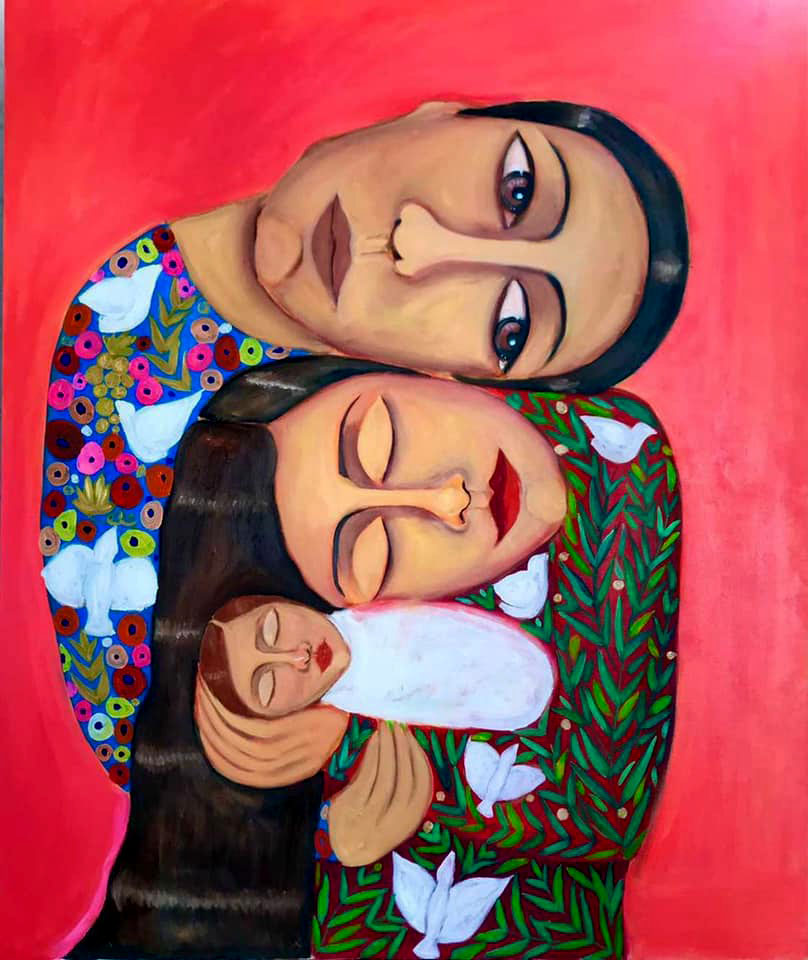
“Mother Protecting Her Children,” oil on canvas, 2021, by Malak Mattar (courtesy of the artist).
“This is my mother. It’s an oil painting I started during the attack of 2021. I depicted my family and the fear of my siblings when there was no shelter but my mum’s embrace. The worst part is the damage done to one’s psychology, of living under attack and feeling unprotected, because Gaza has no shelters or safe places. That’s the reason 19 families were wiped out when they were staying inside their homes. The scariest part is facing the most heavy and complex weapons in the world with my own body, which is very vulnerable and weak under attack,” Malak says.
“The fire in the painting is the bombings that were happening too close and once the bombing is fired, it gives the same effect as a huge fire with its color and reflections in the sky.”
Malak Mattar, self-portrait (2019).
Malak goes on, “During this last attack, I drew many sketches, stories of people and families wiped out, I painted figures…I’m keen on turning these pieces into paintings. Unfortunately no artist from Gaza has painted the last attack, so I think it’s very important to document it. I’m going to start working on it very soon. I still have some commissions to finish, but after this I’ll work full-time on it.” Malak is working toward her BA, studying political science, international relations and economy at a small private university in Istanbul. I asked her how she finds herself enmeshed with both art and politics.
“Being born in Gaza there’s no choice but to be political, because I grew up hearing politics in school and at home with my family and elsewhere. It was something that I was really interested in, but in high school it’s a diploma and a highly competitive one at that. I wanted to leave Gaza by any means, so I was happy when I won the scholarship.”
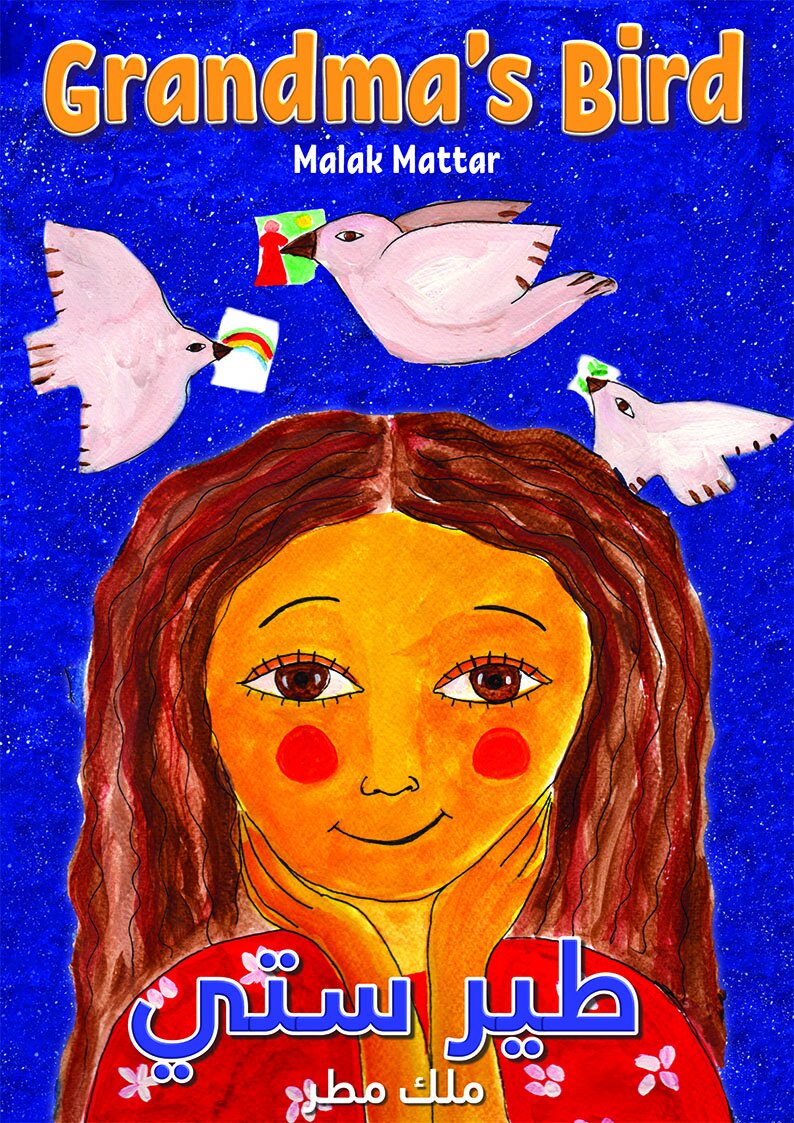
Grandma’s Bird
She says she was surprised to find that the Turkish approach to education isn’t as balanced as she had expected. “I feel like I’m just studying the Turkish point of view, it doesn’t feel like a neutral education, especially because I signed up for Middle East Studies, and I was shocked at how they tell the story of Palestine and Israel — they claim that Palestinians sold their lands to Israel.”
During her first year abroad in Istanbul, Malak says that she felt she had traveled from one prison to another, from Gaza to Turkey, because of the inevitable restrictions placed on someone traveling on a Palestinian travel document that is frequently challenged at international borders. Early on, Malak found herself receiving invitations from France and Great Britain but got rejected because she didn’t have the right visas. Meanwhile she has exhibited her artwork in India, Spain, Paris, Fontenay Sous-Bois, 11 states in the USA, four exhibitions in the UK and a few cities in Turkey.
Malak has another year to go to get her degree and returns to Istanbul in September. In August, meanwhile, she will be publishing a bilingual Arabic-English children’s book titled Grandma’s Bird on the 2014 Israel-Hamas war in Gaza, with writing and drawings reflecting her own experience. See more of her work on Instagram.