

2
¡2 años ya!
1.500+ publicaciones, más de 80k visitas, así que ¡80.000 gracias!
Gracias por leer, compartir y no dejar de hablar de Palestina.
Walid Khalidi. Obituary. Obituario
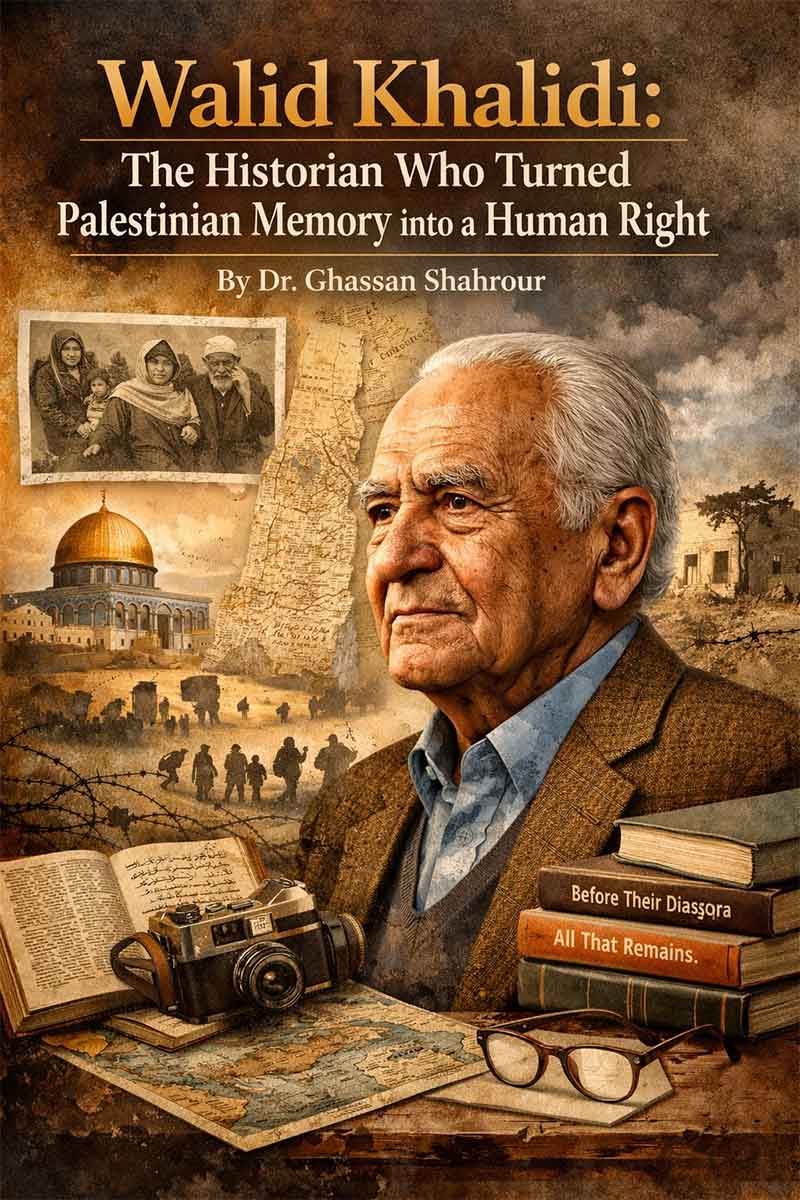
8 de marzo de 2026. El reconocido historiador palestino Walid Khalidi falleció a los 100 años después de una investigación de décadas centrada en la historia y el desplazamiento del pueblo palestino.
Walid Khalidi: El historiador que convirtió la memoria palestina en un derecho humano en Palestina
por Ghassan Shahrour 10/03/2026
Walid Khalidi dedicó su siglo de vida a un principio simple pero radical: que la memoria de un pueblo es un derecho humano y que documentar su desaparición es un acto de justicia histórica.
Nacido en Jerusalén en 1925 y fallecido en Cambridge, Massachusetts, en 2026, se convirtió en uno de los historiadores más influyentes de la Palestina moderna, moldeando la comprensión global de la Nakba y sus perdurables implicaciones morales. La trayectoria académica de Khalidi comenzó en la Universidad de Oxford, donde obtuvo su maestría en 1951. Le aguardaba una prometedora carrera en el mundo académico occidental, pero eligió un camino moral más exigente.
En 1956, renunció a su puesto en Oxford en protesta por la Crisis de Suez: la invasión británico-franco-israelí de Egipto. Este acto de conciencia reveló un principio fundamental de su vida: la investigación debe mantenerse anclada en la responsabilidad ética, incluso cuando conlleva un costo personal y profesional.
En 1963, Khalidi cofundó el Instituto de Estudios Palestinos, estableciendo lo que se convertiría en el principal centro de investigación independiente dedicado al estudio de la historia y la sociedad palestinas. Durante décadas, el instituto sirvió como centro intelectual global donde la documentación rigurosa, la investigación crítica y la independencia institucional moldearon una nueva generación de académicos. A través de sus publicaciones y archivos, proporcionó a académicos de todo el mundo materiales creíbles y cuidadosamente investigados sobre Palestina.
La contribución más perdurable de Khalidi reside en su documentación de la Nakba.
La Nakba —que en árabe significa "catástrofe"— se refiere al desplazamiento de más de 700.000 palestinos y a la destrucción o despoblación de cientos de pueblos y aldeas durante la guerra árabe-israelí de 1948. Sus obras emblemáticas, como "Antes de su diáspora" y "Todo lo que queda", se convirtieron en referencias fundamentales en universidades de todo el mundo.
A través de fotografías, mapas, registros de archivo e historias de aldeas, preservó la geografía humana de una tierra cuyas comunidades prácticamente habían desaparecido. De este modo, transformó la memoria palestina, de una narrativa controvertida a un registro histórico documentado que afirma el derecho de un pueblo a ser recordado.
Más allá de sus propias publicaciones, Khalidi desempeñó un papel fundamental en la configuración de la historiografía palestina moderna. A través de revistas, programas de investigación y redes académicas asociadas con el Instituto de Estudios Palestinos, contribuyó a establecer estándares rigurosos para la documentación de la Nakba, garantizando que la historia palestina se estudiara con la misma disciplina archivística que se aplica a otros campos de la investigación histórica moderna.
Su análisis del Plan Dalet, publicado en la revista Journal of Palestine Studies, con revisión por pares, se erige como una de las intervenciones historiográficas más influyentes en el estudio de los acontecimientos de 1948. Basándose en fuentes de archivo israelíes y documentación contemporánea, Khalidi argumentó que la despoblación de muchas ciudades y aldeas palestinas no fue meramente incidental a la guerra, sino que reflejó elementos de una estrategia militar coordinada.
Su investigación transformó los debates académicos internacionales sobre los orígenes de la crisis de refugiados palestinos y proporcionó documentación esencial para debates posteriores sobre la responsabilidad histórica y la justicia transicional.
La influencia de Khalidi se extendió a importantes instituciones académicas. Impartió docencia en la Universidad Americana de Beirut y la Universidad de Princeton, y posteriormente fue investigador en el Centro de Asuntos Internacionales de Harvard. Su elección como miembro de la Academia Americana de las Artes y las Ciencias confirmó su prestigio como intelectual de talla mundial.
Sus obras siguen apareciendo en los catálogos de importantes editoriales académicas, como Oxford University Press, y siguen siendo referencias fundamentales para los académicos del Oriente Medio moderno.
Sin embargo, más allá de cargos y honores, el legado de Khalidi es fundamentalmente ético.
Trató la documentación como un deber, la memoria como un derecho y la erudición como una forma de testimonio moral. Para las generaciones más jóvenes, tanto palestinas como internacionales, su vida ofrece un modelo de erudición basada en principios que se resiste a la supresión a través de la verdad.
A medida que se intensifican los debates contemporáneos sobre los archivos, las narrativas digitales y la negación histórica, la obra de Khalidi sigue siendo a la vez un fundamento y un desafío. Nos recuerda que la justicia comienza con la verdad, y que salvaguardar la memoria, especialmente en una era de archivos e información digital controvertidos, no es solo una tarea académica, sino una responsabilidad humana universal.
El Dr. Ghassan Shahrour, coordinador de la Red Árabe de Seguridad Humana, es médico, escritor y defensor de los derechos humanos. Su trabajo promueve la salud, la discapacidad, el desarme y la seguridad humana, con un fuerte enfoque en la documentación y la protección de la memoria colectiva y digital de
movimientos nacionales e internacionales por la paz, la justicia y los derechos de las personas con discapacidad.
Referencias
• Khalidi, Walid. Antes de su diáspora: Una historia fotográfica de los palestinos, 1876-1948. Instituto de Estudios Palestinos, 1984.
• Khalidi, Walid, ed. Todo lo que queda: Las aldeas palestinas ocupadas y despobladas por Israel en 1948. Instituto de Estudios Palestinos, 1992.
• Khalidi, Walid. “Plan Dalet: Plan Maestro para la Conquista de Palestina”. Revista de Estudios Palestinos 18, n.º 1 (1988): 4-33.
• Instituto de Estudios Palestinos. Historia institucional y archivos.
• Academia Estadounidense de las Artes y las Ciencias. Registros de becas y listas biográficas.
• Universidad de Princeton y Universidad Americana de Beirut. Registros institucionales que documentan la carrera académica de Khalidi.
• Oxford University Press. Catálogos académicos que hacen referencia a las obras de Khalidi.
 Available in
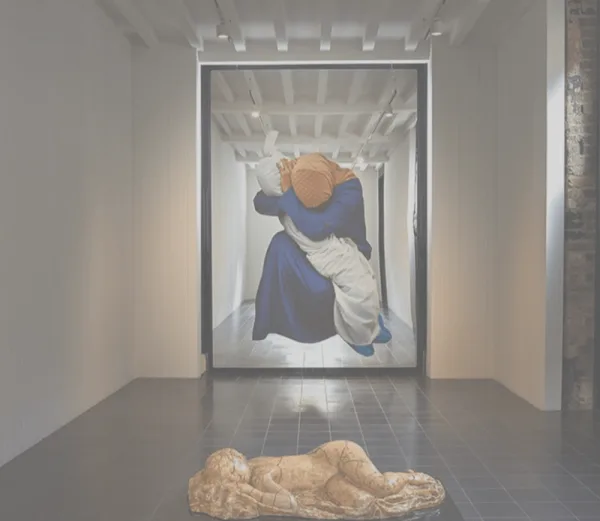
 Gaza. Arte. Exposición en Londres. Gaza. Art. Exhibition in London. ESPAÑOL ENGLISH
Publicado hace 8 días.
Shatha Safi, artista visual.
Publicado hace 9 días.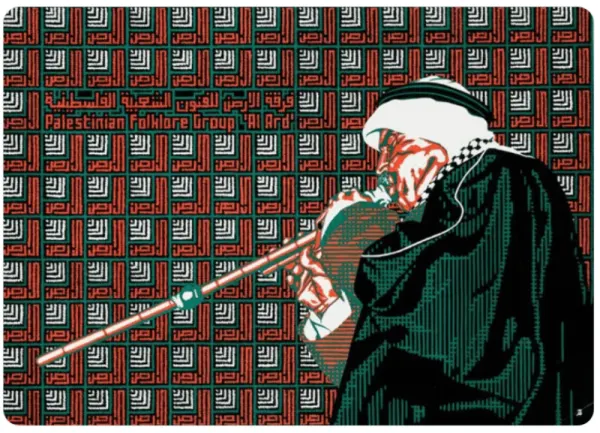 Available in
 Al Ard — “The Land” — Palestinian folklore group. Al Ard - The Land- La Tierra. Grupo de folklore palestino
Publicado el 25 de septiembre.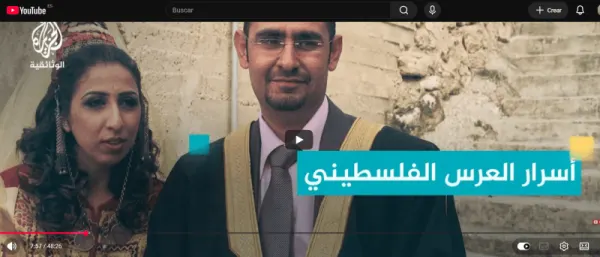
تغاريد عرس فلسطيني.. حكاية تراث لا يموت Preparativos, canciones de boda palestina: Un documental/relato de patrimonio perdurable
Publicado el 25 de septiembre.
Citizen Osama. Documental
Publicado el 24 de septiembre.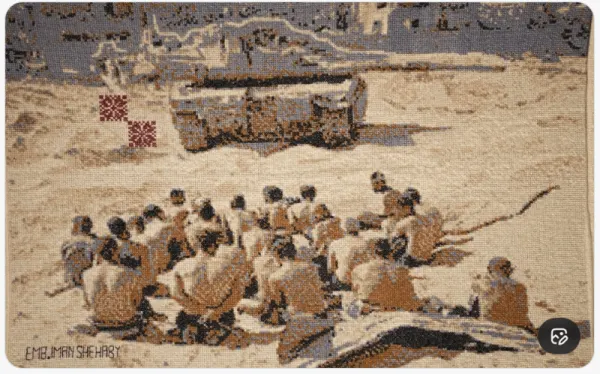 Available in
 "Gaza. No words" Exhibition Venice. Gaza, sin palabras. Exposición Venecia. ENG ESP
Publicado el 18 de septiembre.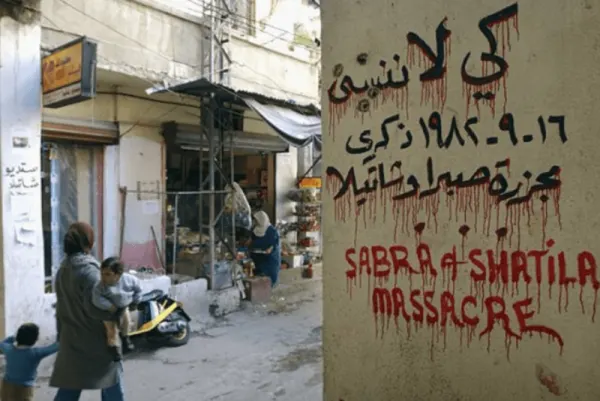 Available in
 "Moving towards home". June Jordan. 44 years since the Sabra and Sathila massacres. "Camino al hogar"- 44 años desde la masacre de Sabra y Sathila. ENG ESP
Publicado el 15 de septiembre. Available in
 Palestine, war of memory. Palestina, memoria de guerra.
Publicado el 11 de septiembre.Ver más / See more
