

2
¡2 años ya!
1.500+ publicaciones, más de 80k visitas, así que ¡80.000 gracias!
Gracias por leer, compartir y no dejar de hablar de Palestina.
Our Dream Was a Meal: Ramadan in Gaza. Nuestro Sueño Era una Comida: Ramadán en Gaza. ENG ESP
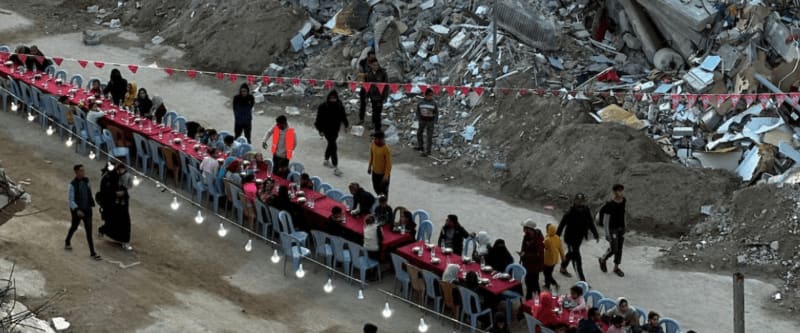
Nuestro Sueño Era una Comida: Ramadán en Gaza
12 de marzo de 2026
Autora: Sujood Alkhour
Cartas desde Gaza
El Ramadán de 2023 fue el último Ramadán que transcurrió pacíficamente en Gaza. El Ramadán es un mes bendito en el que los musulmanes celebran su culto mediante la oración, la caridad y la ayuda a los necesitados. La gente celebra su llegada colgando adornos coloridos, encendiendo faroles y preparando comidas, bebidas y dulces especiales.
Antes del amanecer, se come la comida previa al amanecer (suhur), que suele consistir en comidas ligeras como huevos cocidos con aceite de oliva y yogur, hummus, té y abundante agua. Desde el amanecer hasta el atardecer, se abstienen de comer y beber. Al atardecer, las familias se reúnen para preparar platos tradicionales palestinos, ensaladas, sopas y más. Todos esperan con ansias el momento de romper el ayuno (iftar) para disfrutar de sus comidas favoritas, incluyendo mi favorita, la maqluba.
Uno de los platos más famosos que preparan las mujeres de Gaza es la maqluba, un plato tradicional palestino hecho con pollo, verduras y arroz. Mi madre preparaba el plato cortando el pollo en trozos y hirviéndolo en una olla con sal, cardamomo y laurel. Preparaba otra olla para el arroz, sazonándolo con una mezcla de especias. Después, picaba las verduras: patatas, berenjenas, cebollas y tomates. Añadía dientes de ajo enteros a la sartén y freía las verduras una a una. Después, preparaba una olla para cocinar la maqluba, untándola con mantequilla o aceite y colocando cuidadosamente las verduras en el fondo. Después, añadía los trozos de pollo, seguidos del arroz y, por último, vertía el caldo de pollo. Cuando empezaba a hervir, mi madre bajaba el fuego para que la maqluba no se quemara.
Mi hermana mayor gritaba: «Sujud, ven a lavar los ingredientes de la ensalada para que pueda picarlos». Lavaba rápidamente los pepinos, tomates, pimientos verdes, limones, rúcula y col lombarda. Mi hermana preparaba la ensalada y todos esperábamos con ansias la deliciosa maqluba.
Antes de la oración del Maghrib, preparaba la mesa con un plato grande y llano para la maqluba. Mi madre llevaba la olla caliente y la volcaba sobre el plato, acción de la que el plato toma su nombre, maqluba, que significa "boca abajo". Yo ponía la ensalada, el yogur, las cucharas y las bebidas frías.
Después de descansar un rato después del iftar, mi hermano nos traía unas patatas fritas del supermercado y las comíamos juntos, disfrutando de la sencilla satisfacción de nuestras vidas.
Cuando llegó la guerra, todo en nuestras vidas cambió, incluida nuestra maqluba. Mi familia se vio obligada a huir del norte de Gaza al sur. Fue un viaje agotador. Vivimos en una escuela para desplazados durante nueve meses; estaba abarrotada y carecía de lo básico. Luego nos mudamos a una tienda de campaña durante seis meses, soportando el frío intenso del invierno y el calor abrasador del verano.
La población del sur de Gaza aumentó debido a la afluencia de desplazados, y los precios se dispararon por el cierre de fronteras. Todo se encareció, y a veces ni siquiera podíamos permitirnos el pan. Había días en que los productos no solo eran caros, sino que escaseaban por completo.
Anhelábamos verduras, frutas y carne, pero no teníamos más que lentejas, pan y un poco de arroz.
Durante el mes sagrado del Ramadán de 2025, se cerraron los pasos fronterizos y las verduras, las frutas, la carne… todo desapareció. La hambruna se extendió por Gaza. Lo poco que quedaba era prohibitivamente caro, lo que hacía imposible que la mayoría de la gente lo comprara.
En toda Gaza, las madres comenzaron a preparar una versión simplificada de maqluba sin sus ingredientes esenciales, llamándola "maqluba falsa". Un día, mis hermanas le pidieron maqluba a mi madre, aunque fuera falsa. Mi madre preguntó: "¿Cómo puedo prepararlo sin verduras, carne ni especias?". Mi hermana añadió: "¿Cómo lo comeremos sin yogur ni ensalada?". Mi madre fue a la cocina y empezó a sacar arroz y especias hechas con hojas insípidas. Añadió unas rodajas de cebolla, que costaban una fortuna, y luego abrió el gas. Mi hermano preguntó: "¿Cómo lo comeremos sin ensalada?". Mi hermana pequeña respondió: "Te prepararé salsa picante y le añadiré agua y sal como aperitivo".
Todos esperábamos con ansias la llamada a la oración del Maghrib para poder comer la falsa maqluba. Mi madre la sirvió y todos empezamos a comer. No estaba tan rica como la maqluba que solíamos comer, pero la comimos de todos modos, diciéndonos que era suficiente.
Durante la guerra y la hambruna, no se podía hacer más. Para picar, teníamos patatas fritas falsas hechas de pasta. La remojaba en agua durante dos minutos, la espolvoreaba con harina y luego la freía en aceite hasta que quedaba crujiente como patatas fritas. Lo dejaba enfriar, le echaba un poco de sal y luego lo comíamos.
Mi hermana pequeña dijo que estaba delicioso, pero preguntó: "¿Cuándo abrirán el cruce para que podamos comer papas fritas de verdad? ¿Cuándo comeremos bocadillos crujientes y otras delicias?". El resto de la familia sonreía, con el rostro marcado por la tristeza.
Le responden: "¿No se han acostumbrado a todo en Gaza?". Sí, tenían razón. En Gaza, nos hemos acostumbrado al dolor, la separación, la tristeza, las lágrimas, los gritos, la escasez de comida y a inventar comidas imaginarias solo para sobrevivir. Nuestro sueño era una comida con todos sus ingredientes.
Nuestro sueño eran unas deliciosas y crujientes patatas fritas. Cuando se anunció el alto el fuego en la ciudad de Gaza, y una de las condiciones del acuerdo era la entrada de ayuda alimentaria y otros productos, todos aplaudieron con alegría. ¡Tendremos comida de verdad, pollo y carne de verdad, y comeremos maqluba de verdad! Mi hermana exclamó: "¡Comeremos maqluba con ensalada! ¡Comeremos patatas fritas y Pringles!".
En cierto modo, el Ramadán de 2026 es diferente. Ahora tenemos acceso a la comida y las bebidas de las que nos privaron durante años. Sí, los precios siguen siendo altos, pero ver estos productos en los mercados, aunque no podamos comprarlos, nos da algo de esperanza. Nuestra familia esperaba con ansias la reunión para el iftar.
El cuarto día de Ramadán, mi madre preparó maqluba como siempre: dos capas de verduras, luego pollo, luego arroz, servido con ensalada y yogur. Nos reunimos todos alrededor del plato que tanto habíamos anhelado. Mis hermanos se tomaron fotos y reímos juntos, comimos con gusto y después tomamos un refresco. Lo saboreamos todo, sintiéndonos como si la vida hubiera vuelto a nosotros. Entre el iftar y el suhur, solíamos comer patatas fritas, aperitivos y tomar café. Mi hermano nos trajo unas Pringles y nos reímos juntos, recordando los macarrones que hacíamos durante la hambruna, preguntándonos: ¿cómo demonios los comíamos? ¿Cómo los hacíamos siquiera? ¿Cómo conseguimos llamarlos patatas fritas? Entonces volvimos a nuestros aperitivos, disfrutándolos como si hubiéramos vuelto a la vida tras estar al borde de la muerte.
Hoy en día, las fuerzas de ocupación controlan y cierran repetidamente los pasos fronterizos. Con cada cierre, tememos que la hambruna vuelva o que este Ramadán se convierta en el último. Mi madre dice: «Aprovisionémonos de cosas antes de que se agoten y se disparen los precios». Mi hermano responde que costaría mucho dinero, y mi hermana añade: «Y si nos desplazan de nuevo, ¿cómo las llevaremos?». Seguimos ayunando, esperando la llamada a la oración del Magreb para poder romper el ayuno con las comidas que nos encantan.
Sin embargo, la noticia del nuevo cierre de los cruces conmociona a los residentes de la ciudad de Gaza. Vivimos cada día en tensión, ansiedad y miedo de que la hambruna regrese y nos prive de nuestro derecho más básico. L
a política de cierre de los cruces nos asfixia, dejándonos incapaces de actuar mientras permanecen cerrados y con la incertidumbre de lo que nos deparará el mañana.
Así es nuestra vida en Gaza. Firmeza, cansancio, sufrimiento. Un plato con todos sus ingredientes era nuestro sueño.
Sobre la autora:
 Available in
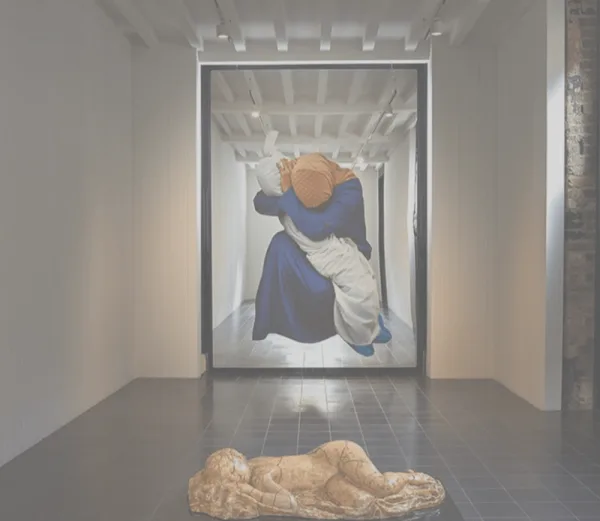
 Gaza. Arte. Exposición en Londres. Gaza. Art. Exhibition in London. ESPAÑOL ENGLISH
Publicado hace 9 días.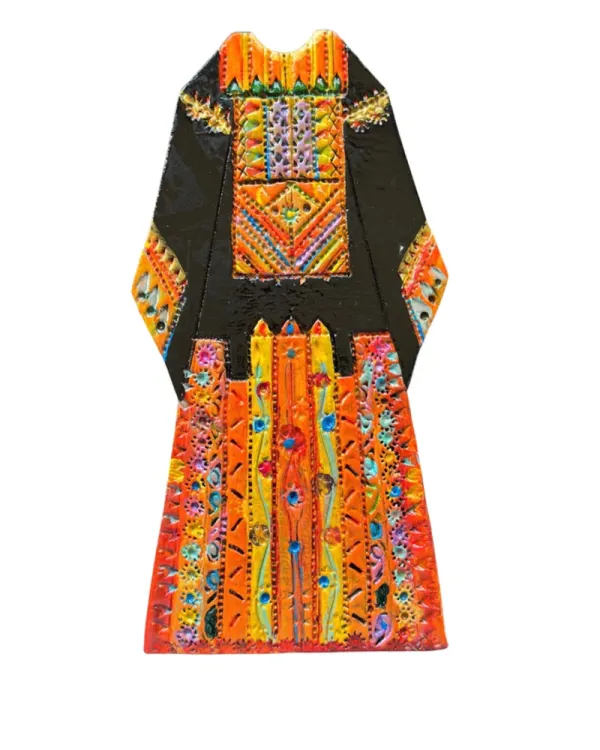
Shatha Safi, artista visual.
Publicado hace 10 días.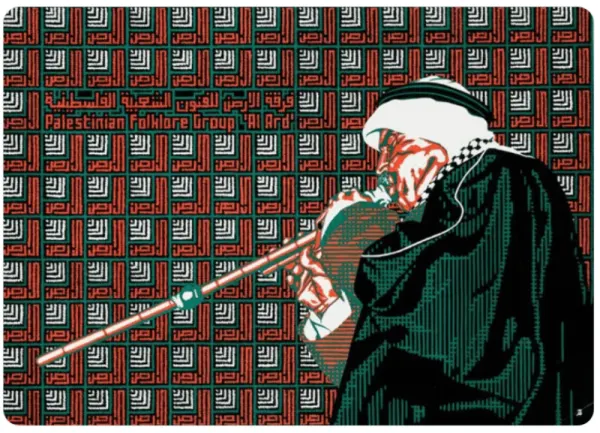 Available in
 Al Ard — “The Land” — Palestinian folklore group. Al Ard - The Land- La Tierra. Grupo de folklore palestino
Publicado el 25 de septiembre.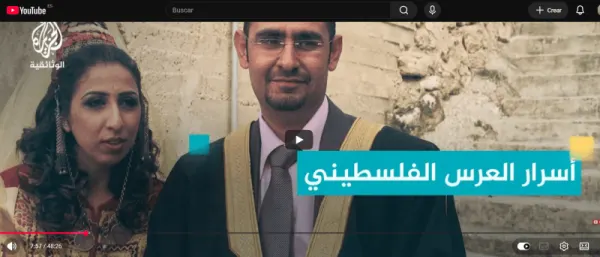
تغاريد عرس فلسطيني.. حكاية تراث لا يموت Preparativos, canciones de boda palestina: Un documental/relato de patrimonio perdurable
Publicado el 25 de septiembre.
Citizen Osama. Documental
Publicado el 24 de septiembre.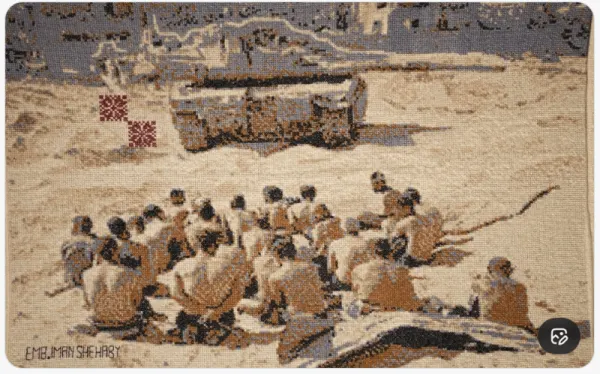 Available in
 "Gaza. No words" Exhibition Venice. Gaza, sin palabras. Exposición Venecia. ENG ESP
Publicado el 18 de septiembre.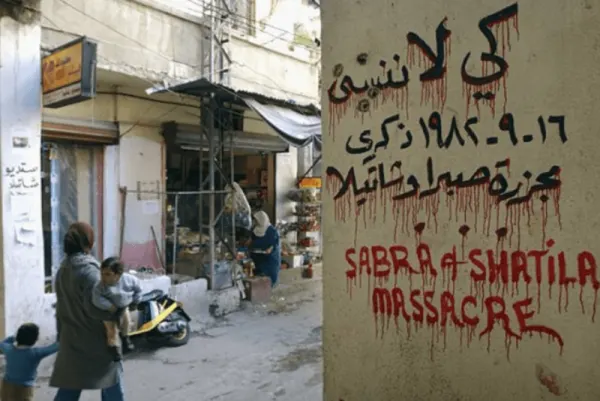 Available in
 "Moving towards home". June Jordan. 44 years since the Sabra and Sathila massacres. "Camino al hogar"- 44 años desde la masacre de Sabra y Sathila. ENG ESP
Publicado el 15 de septiembre. Available in
 Palestine, war of memory. Palestina, memoria de guerra.
Publicado el 11 de septiembre.Ver más / See more
