

¡2 años ya!
1.500+ publicaciones, más de 80k visitas, así que ¡80.000 gracias!
Gracias por leer, compartir y no dejar de hablar de Palestina.
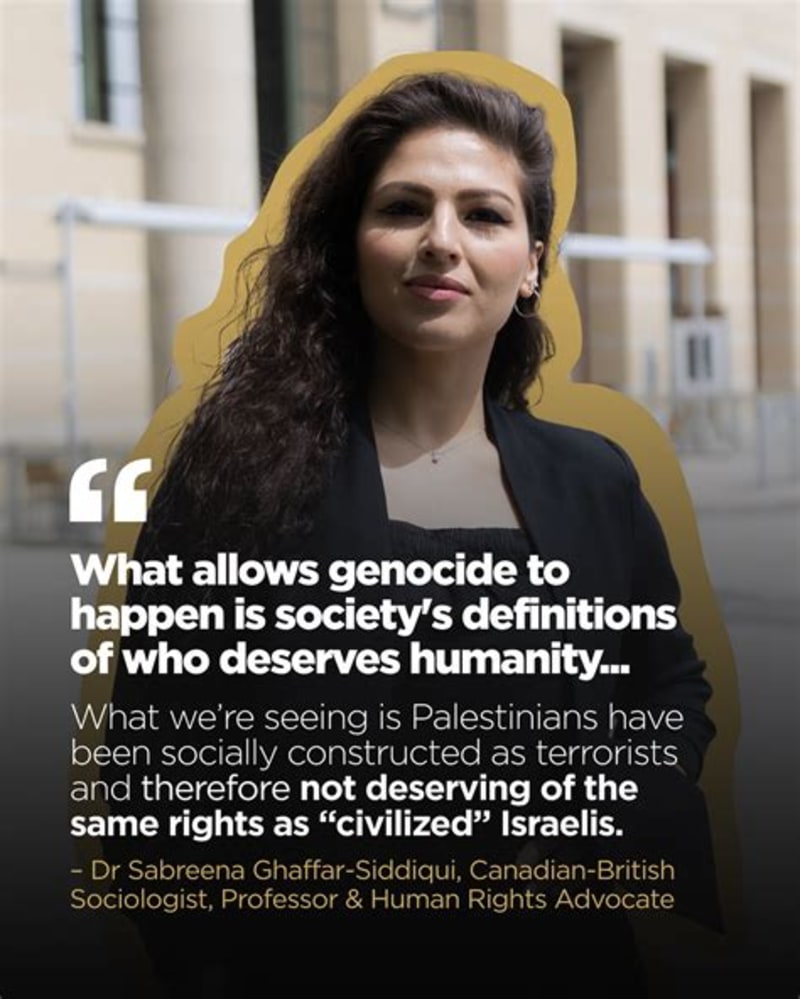
The legitimacy of resistance, according to the skin color of the resister. La legitimidad de la resistencia según el color de quien resiste. ENG ESP
La legitimidad de la resistencia según el color de quien resiste
Las personas blancas de cabello rubio y ojos azules de Ucrania fueron celebradas por fabricar cócteles Molotov caseros para defender su tierra, pero el árabe musulmán moreno, el iraní, el afgano, el palestino, está demasiado “incivilizado” para tener el derecho a resistir.
Su resistencia es “bárbara” porque proviene de una cultura inherentemente “violenta”.
La aplicación selectiva del derecho internacional y del derecho de uno a defenderse de la ocupación ilegal y la violencia colonial ha resultado ser una contradicción total en Occidente, y sin duda es exasperante.
Pero también necesitamos entender cómo se procesan estas narrativas de “resistencia” en las comunidades. Estas narrativas no se quedan en nuestras pantallas. Moldean la forma en que comunidades enteras se ven a sí mismas.
Cuando los pueblos indígenas, negros y otras personas racializadas ven repetidamente sus historias, luchas, culturas y resistencias enmarcadas como peligrosas, irracionales o inherentemente violentas, muchos comienzan a interiorizar esos mensajes.
Algunos se distancian de sus propias identidades en busca de seguridad, aceptación o legitimidad. Otros llevan una profunda e inexpresada rabia nacida de la exclusión, el despojo y la constante demanda de probar su humanidad.
Cuando las personas se desconectan de sus raíces, se les niega la dignidad y se les enseña a avergonzarse de de dónde vienen, aún así buscarán pertenencia.
Es una necesidad humana básica sentir un sentido de comunidad. La pregunta es si creamos espacios que nutran la sanación, la identidad y la justicia, o los dejamos vulnerables a encontrar pertenencia en lugares que explotan su dolor.
 Available in
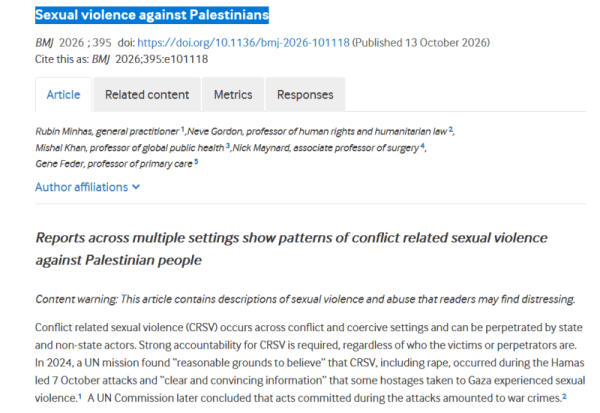
 Violencia sexual en Palestina. Sexual violence against Palestinians. ESPAÑOL ENGLISH
Publicado hace 4 días. Available in
 The GazaIndex. GazaDatos
Publicado el 11 de septiembre.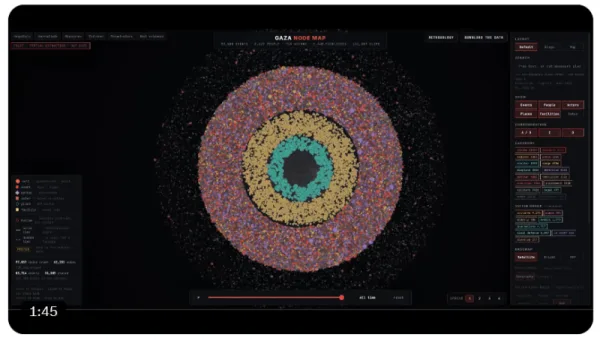 Available in
 Gaza Node Map. Mapa de Nodos de Gaza.
Publicado el 7 de septiembre.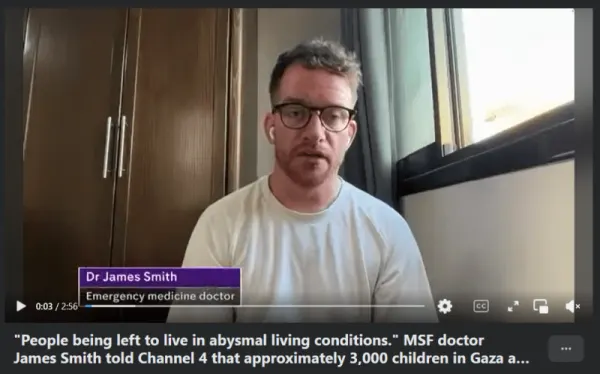 Available in
 Gaza "People being left to live in abysmal living conditions." "Condiciones de vida infrahumanas"
Publicado el 3 de septiembre.![Poor response from the Israeli Medical Association [expulsion of the World Medical Association]. ENG ESP](https://res.cloudinary.com/dohlie6or/image/upload/f_webp,q_auto,w_600/v1787675081/c0ue4z5k3kut05cduwyg.png) Available in
Available in Poor response from the Israeli Medical Association [expulsion of the World Medical Association]. ENG ESP
Publicado el 25 de agosto.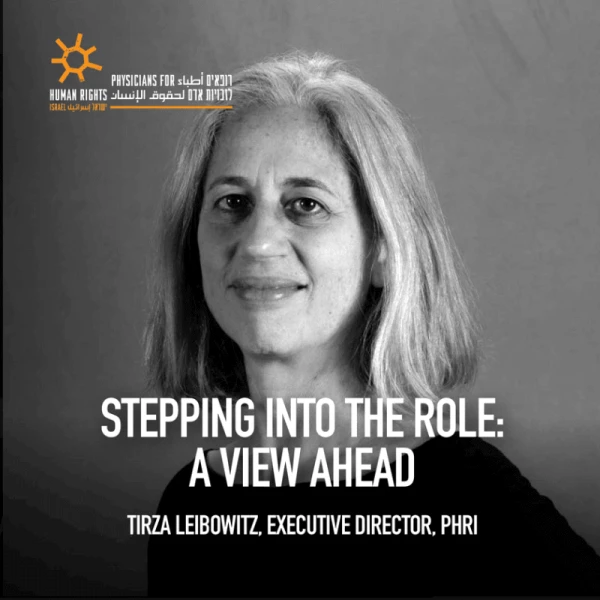 Available in
 Tirza Leibowitz. Executive director of Physicians for Human Rights Israel. Directora de Médicos for los Derechos Humanos en Israel. ENG ESP
Publicado el 17 de agosto.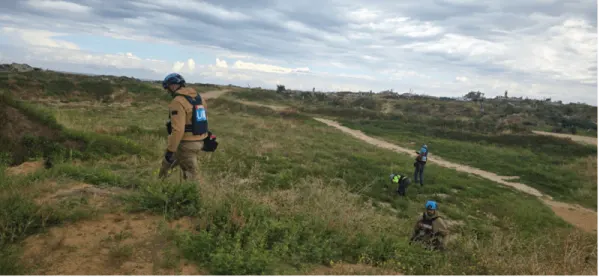 Available in
 Humanitarian Situation Report | 7 August 2026. Informe sobre la situación humanitaria, actualizado al 7 de agosto de 2026. ENG ESP
Publicado el 10 de agosto.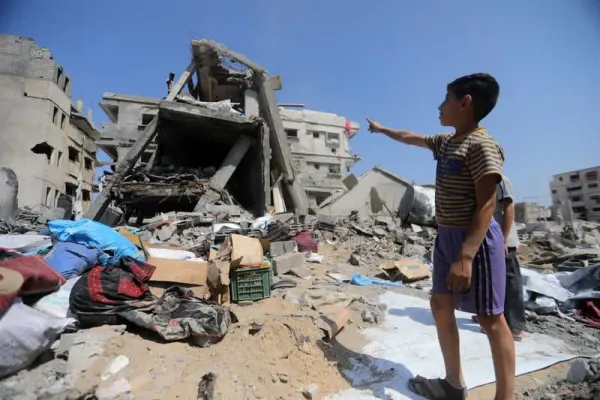 Available in
 Israel kills without ceasing in Palestine and expands extermination zone in Gaza. Israel asesina sin cesar en Palestina, y expande la zona de destrucción en Gaza. ESP ENG
Publicado el 3 de agosto.Ver más / See more
