

Ismail Shammout, an Ambassador of Palestinian Identity. Ismail Shammout, embajador de la identidad palestina. ENG ESP
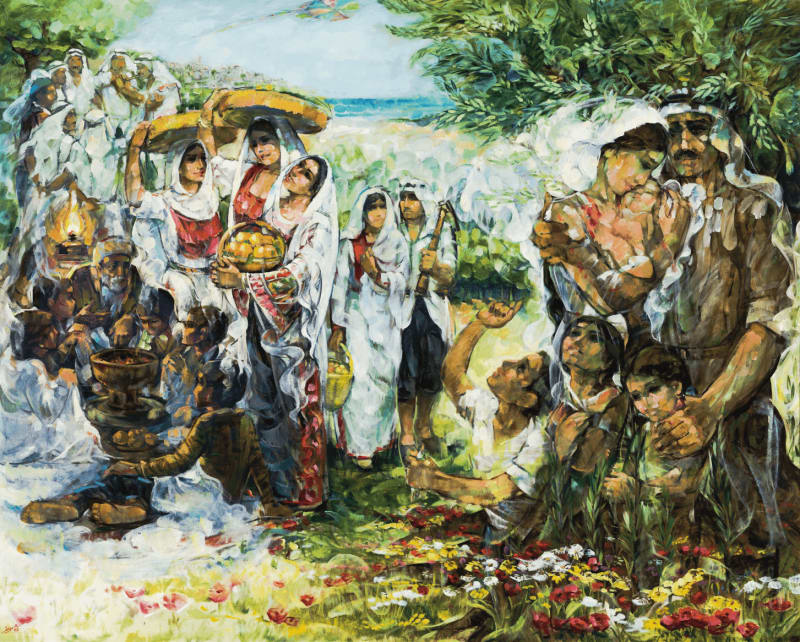

The Spring That Was, 1997
ENGLISH
When Art and Artists Belong
Ismail Shammout, an Ambassador of Palestinian Identity
By Bashar Shammout
Growing up in the diaspora in Beirut as the son of two outstanding Palestinian artists – Ismail Shammout and Tamam El-Akhal – who significantly shaped modern Palestinian art, I have since my childhood been confronted more or less consciously with philosophical questions that deal with the themes of home, homeland, and belonging.
I had to learn that arts and culture have to belong in order to deliver their message and endure when their creators pass away. I had to learn that arts and culture form the protective mother for nations that write history. And belonging is definitely not restricted to a geographical or physical place but rather allows sharing common thoughts and visions with many others and forming a wide-reaching intellectual horizon. So, belonging clearly forms the ground on which artists stand in order to express the thoughts, feelings, and principles that move them – and so it was with Ismail Shammout.
Ismail had just turned 18 when the Nakba forced my late father and his entire family out of their home in Lydda, Palestine. After a long foot march in the scorching summer heat of 1948, without food or water, they settled down in the refugee camp of Khan Younis. Being a young Palestinian, a refugee, and a highly talented painter who dreamed of becoming an artist, he managed to travel to Cairo and then to Rome to study fine arts in the early 1950s.
After that, he moved to Beirut, then to Al-Bireh, then back to Beirut and on to Kuwait, and finally to Amman. He dedicated his entire life to his people, his dreams, and his beloved Palestine and became the perfect ambassador of Palestinian identity, which he proudly and faithfully embodied.
Can art and artists exist without belonging to a “home”? Is “home” the place where people speak your language, or is it the place where people understand you?
His exceptional artistic talent, the simplicity and ease of his artistic language, and of course his dramatic personal experience with the Nakba made his works extremely authentic, powerful, and popular. Almost every Palestinian, inside or outside of occupied Palestine, inside or outside refugee camps, identified with his paintings. In my childhood, I hardly remember entering a Palestinian house without immediately seeing copies or even originals of his paintings hanging on the walls. Only years later, when I grew up, did I realize what his art meant to his people and the impact it had on them! It was in the early 1950s, at the age of 23, when he created his remarkable, iconic masterpieces Where To? and We Shall Return, in which he tried to express his personal Nakba experience of expulsion and refuge.
Here, he simply shared the feelings and experiences of hundreds of thousands of fellow Palestinians who all saw themselves reflected in these works that gained an extremely wide popularity. But in these works, people saw as well the beauty and pride of being “Palestinian” at a time when darkness was the dominating characteristic that shrouded Palestinian life.
In the mid-1960s and in the shade of the armed struggle and resistance, his artistic language began to change and to reflect the vision of the promising future of liberating the stolen homeland. He created hundreds of works that proudly praise the will of the armed struggle, and again, thousands of Palestinian walls were decorated with them. Later on, the 1967 war, the 1982 invasion of Lebanon, the Intifada, and the peace process – every stage in the Palestinian national movement (until he passed away in 2006) – had its place in his artistic creation.
In the year 1965, he was appointed as the first director of the Cultural Arts Section in the PLO headquarters, working first in Beit Hanina, Jerusalem, and after 1967 in Beirut. His artistic talents, combined with his personal experience of expulsion and refuge, and of course his love for his people and Palestine, made him the perfect candidate to fill this position with passion and the eagerness to give the Palestinian struggle movement the respected impact it needed – both nationally and internationally.
Until the late 1980s, he created dozens or even hundreds of posters and calendars and various graphic designs that carry his signature – but also books, films, and other multimedia artworks that were crafted under the umbrella of the PLO, documenting various snapshots of the Palestinian liberation movement.
Ismail’s impact as a multitalented and credible artist was remarkable and provided him with extensive Arab and international appreciation, leading him in the early 1970s, among other positions, to be elected as the first president of the newly established Arab Artists Union. In that role, he contributed to establishing the Arab arts scene and gained wide recognition from the Gulf to Morocco. Later, he led the Palestinian Artists Union and played a significant role in providing “Palestinian art” with an international dimension.
Exhibition in Gaza, 1954.
Since the very early years of his artistic life, he had become the artistic face of modern Palestinian national history and its art movement. Dozens of exhibitions were organized in numerous renowned museums and halls around the world to showcase his works that represented Palestinian identity, pride, and beauty.
Today, his original works are frequently traded at world auctions, underlining the level of international recognition and interest in his heritage. But this was never his aim. His modesty and his closeness to his people are what kept him going as an artist and as a person who always belonged to his people; his personality made his art genuine and authentic and fashioned him into an outstanding ambassador of Palestinian identity.

Children of Jerusalem, 1984.
ESPAÑOL
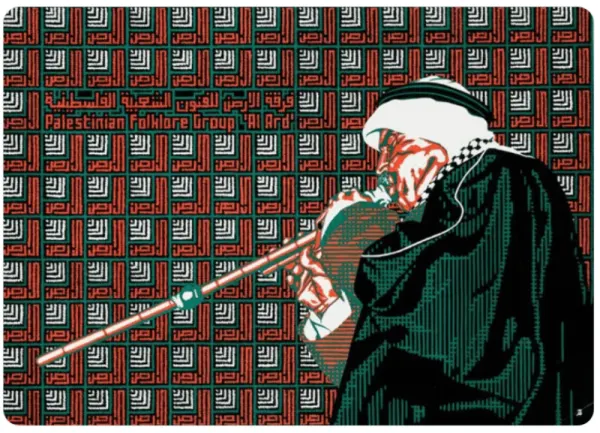
Al Ard — “The Land” — Palestinian folklore group. Al Ard - The Land- La Tierra. Grupo de folklore palestino
Publicado hace 13 días.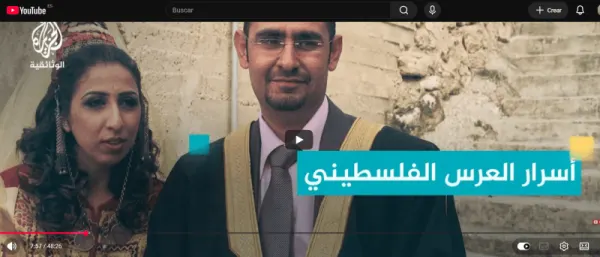
تغاريد عرس فلسطيني.. حكاية تراث لا يموت Preparativos, canciones de boda palestina: Un documental/relato de patrimonio perdurable
Publicado hace 13 días.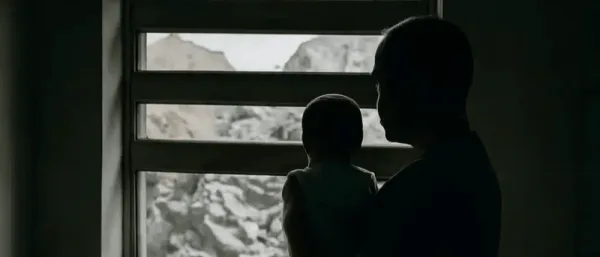
Citizen Osama. Documental
Publicado hace 14 días.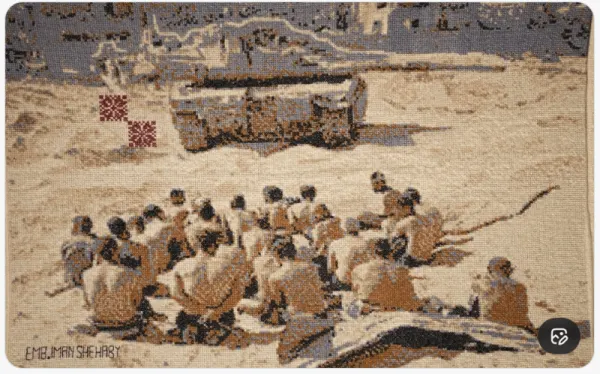
"Gaza. No words" Exhibition Venice. Gaza, sin palabras. Exposición Venecia. ENG ESP
Publicado el 18 de septiembre.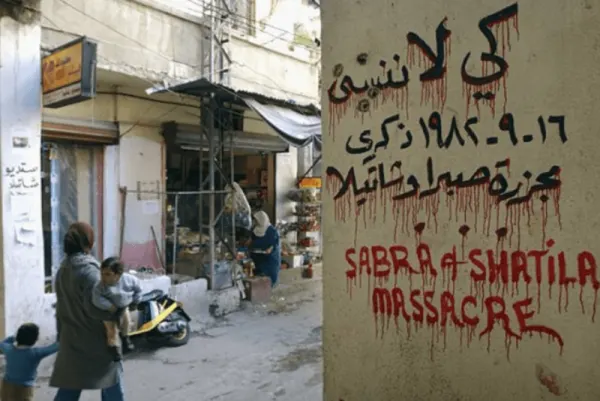
"Moving towards home". June Jordan. 44 years since the Sabra and Sathila massacres. "Camino al hogar"- 44 años desde la masacre de Sabra y Sathila. ENG ESP
Publicado el 15 de septiembre.
Palestine, war of memory. Palestina, memoria de guerra.
Publicado el 11 de septiembre.
Naza ("No other land"), documental, el genocidio de Gaza desde una sala de exterminio con aire acondicionado
Publicado el 11 de septiembre.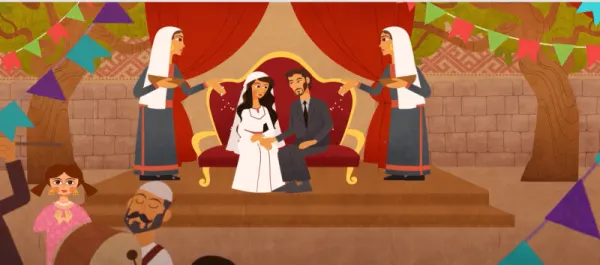
"All we have" Palestinian animation film. "Todo lo que tenemos" dibujos animados palestinos. ENG ESP
Publicado el 3 de septiembre.Ver más / See more
