

British Medical Association votes down IHRA anti-semitism definition. La Asociación Médica Británica rechaza la definición de antisemitismo de la IHRA. ENG ESP
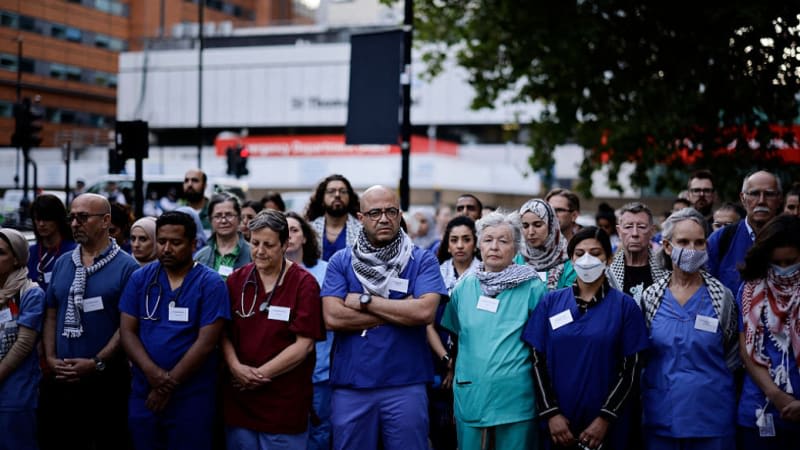
To protect doctors criticizing Israel from NHS discipline. Para proteger a los médicos que critican a Israel de posibles sanciones en el Servicio Nacional de Salud.
ENGLISH
British Medical Association votes down IHRA anti-semitism definition to protect doctors criticizing Israel from NHS discipline
Text of the motions passed. 55 and Emergency Motion 2
June 23, 2026
——
The British Medical Association (BMA), representing over 200,000 UK doctors, has voted to reject the International Holocaust Remembrance Alliance (IHRA) definition of anti-semitism [“Antisemitism is a certain perception of Jews, which may be expressed as hatred toward Jews. Rhetorical and physical manifestations of antisemitism are directed toward Jewish or non-Jewish individuals and/or their property, toward Jewish community institutions and religious facilities.”] within the National Health Service (NHS).
Passed at the union's annual meeting, the motion calls for an immediate investigation into how the definition has been weaponized to suppress legitimate political speech and professional expression regarding Israeli war crimes in Palestine.
The milestone vote directly challenges a recent UK government review by Lord John Mann, which used the IHRA framework to recommend mandatory training, a ban on political symbols, and a prohibition on NHS staff attending protests in uniform.
BMA members also passed emergency measures to halt the rollout of these state directives, overruling internal complaints from some attendees who alleged the motion itself was anti-semitic. The decision follows a surge in what doctors describe as highly organized, malicious doxxing campaigns and vexatious complaints designed to derail their careers.
High-profile figures, including emergency doctor Nadeem Crowe and British-Palestinian surgeon Ghassan Abu-Sitta, have faced suspensions and regulatory overreach by the General Medical Council (GMC) over social media posts, leading the BMA to legally oppose the GMC's right to appeal and repeatedly investigate doctors cleared of wrongdoing.
UK doctors reject IHRA definition and back protections for staff speaking on Palestine.
British Medical Association voted to drop the controversial definition of antisemitism over free‑speech concerns.
During Israel's genocidal war on Gaza several NHS workers have been reprimanded for showing support for Palestine (Yassin Soudan/MEE)
By Areeb Ullah
25 June 2026
The British Medical Association (BMA) has voted to drop the controversial International Holocaust Remembrance Alliance (IHRA) definition of antisemitism, saying it had a “chilling effect” on free speech in the workplace.
Doctors from across Britain backed the motion at the BMA’s annual conference on Tuesday (23 June), amid growing concerns that healthcare workers are being punished for expressing views on international conflicts.
The motion called on the doctors’ union to “provide urgent guidance and support to members who face disciplinary action or professional detriment for expressing legitimate political views or ethical concerns about international conflicts, including Palestine/Israel”.
The text also urged NHS England and NHS organisations to conduct “comprehensive risk assessments” before implementing policies that could affect employees’ freedom of expression.
NHS England formally adopted the IHRA definition in October 2025, a move that was welcomed by some Jewish organisations but criticised by civil liberty groups and pro-Palestine campaigners.
Last week, the Department of Health and Social Care (DHSC) endorsed a review into anti-Jewish hate and other forms of racism in the NHS by the UK government’s advisor on antisemitism, Lord John Mann.
The review recommends mandatory antisemitism training for 1.5 million NHS staff members, as well as banning them from displaying political symbols in the workplace and preventing them from attending protests in their uniforms.
Mann’s review of antisemitism relies on the IHRA definition of antisemitism.
Critics of the IHRA definition argue that several of its accompanying examples risk conflating criticism of Israel with antisemitism, potentially restricting legitimate political speech and advocacy for Palestinian rights.
Supporters of the IHRA definition argue that it is an important tool for identifying and tackling antisemitism, and that it does not prevent criticism of Israeli government policies.
Earlier this month, a coalition of medical associations representing over 13,000 healthcare workers in the UK called on the British government to immediately pause the rollout of a series of measures set out by Lord Mann that would censor pro-Palestine advocacy within the NHS.
Following the outbreak of Israel's genocidal war on Gaza, several cases have emerged of medical workers being reprimanded for showing their support for Palestine or using Palestine-related memorabilia in the workplace.
They include a British-Palestinian nurse who was ordered to remove a background on his video calls that showed a fruit bowl containing a watermelon because it could be perceived to be antisemitic.
The watermelon has become a symbol of solidarity with the Palestinian cause, as it shares its colours with the Palestinian flag and is harder for social media algorithms to censor.
MOTIONS PASSED
55 - Motion by CONSULTANTS CONFERENCE: That this meeting expresses grave concern about the adoption of the International Holocaust Remembrance Alliance (IHRA) definition of antisemitism in the NHS without proper consultation or risk assessment, and calls upon the BMA to:-
i) immediately investigate the impact of IHRA definition adoption on NHS staff, particularly regarding the chilling effect on legitimate political speech and professional expression of ethical concerns about Israel's actions in Palestine;
ii) demand that NHS England and all NHS organisations conduct comprehensive risk assessments before implementing any speech-related policies, ensuring compliance with Article 10 ECHR (freedom of expression) and Section 6 Human Rights Act 1998 (public authorities must act compatibly with Convention rights);
iii) provide urgent guidance and support to members who face disciplinary action or professional detriment for expressing legitimate political views or ethical concerns about international conflicts, including Palestine/Israel;
iv) lobby the government and NHS England to revoke the mandatory adoption of the IHRA definition across the NHS until proper safeguards, consultation processes, and clarity on implementation are established;
v) advocate for the protection of free speech in healthcare settings, ensuring that NHS staff can engage in legitimate political discourse and express ethical concerns without fear of professional reprisal;
vi) work with other healthcare unions and professional bodies to challenge any attempts to use the IHRA definition to suppress legitimate debate about human rights violations, war crimes, or colonial practices in international conflicts.
Emergency Motion 2 -
That this meeting notes the publication on 4 June 2026 of Lord Mann's Review of Antisemitism and Other Forms of Racism in the NHS and Healthcare Regulatory System. This conference reaffirms its total opposition to antisemitism, Islamophobia and all forms of racism, discrimination and harassment.
However, this meeting believes that professional autonomy, freedom of expression and the ability of doctors to participate in lawful public debate are integral to an independent medical profession and the effective advocacy of patients.
This meeting is concerned that implementation of the review may have significant implications for freedom of expression, professional autonomy and employment rights within the NHS.
That this meeting therefore resolves to:-
i) call for an immediate pause in the implementation of the Lord Mann Review;
ii) oppose the implementation of recommendations that would restrict lawful expression beyond existing legal and professional standards;
iii) support members whose lawful expression is adversely affected by policies introduced pursuant to the review's recommendations
ESPAÑOL
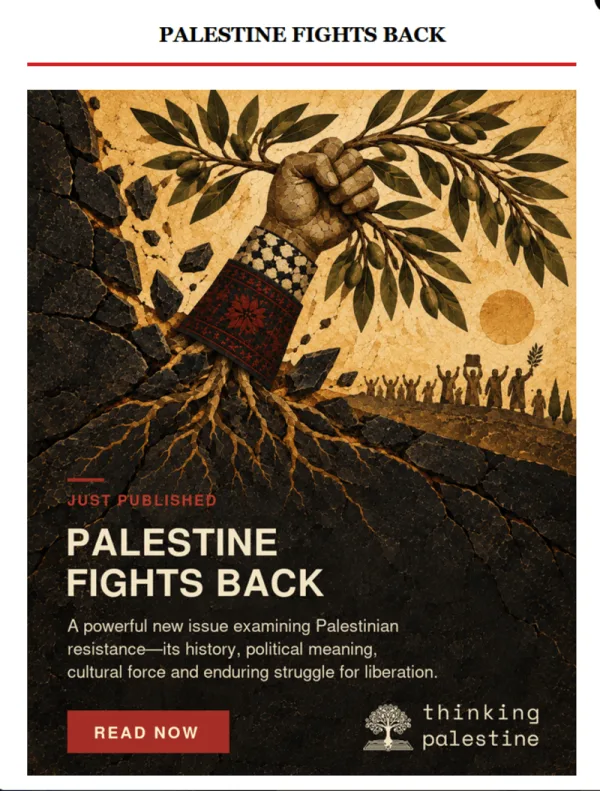
“Resist by all available means—armed resistance, cultural resistance and economic resistance.” «Resistir por todos los medios disponibles: resistencia armada, resistencia cultural y resistencia económica». ENG ESP
Breaking the Taboo: Palestine and Armed Resistance. Sin tabués: la resistencia armada palestina.
Publicado hace 9 días.
Asier y Youssef, miembros de ‘Iranekin Bat’ y Samidoun detenidos y procesados en la Audiencia Nacional.
"Si Youssef y Asier son terroristas, yo también soy terrorista”
Publicado el 11 de septiembre.
1060 días de horror. 2 septiembre 2026. Spanish Revolution
La obscenidad también consiste en eso: convertir una carnicería diaria en ruido de fondo.
Publicado el 7 de septiembre.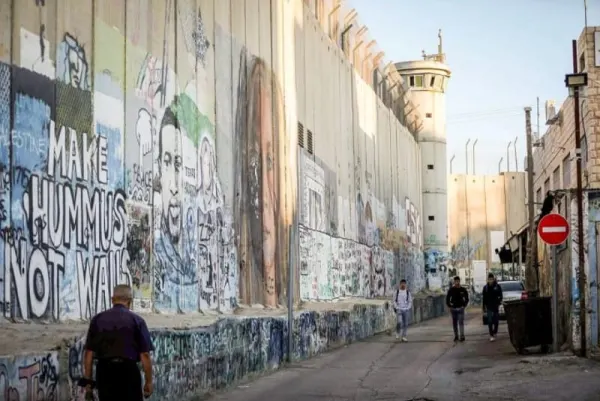
Israel quiere "borrar" a los palestinos de Palestina. Israel wants to "erase" the Palestinians from Palestine. ESP ENG
Israel busca crear un pueblo de muertos vivientes que emigren "voluntariamente". O una matanza brutal. Israel seeks to create a nation of the living dead who emigrate "voluntarily." Or a brutal massacre.
Publicado el 3 de septiembre.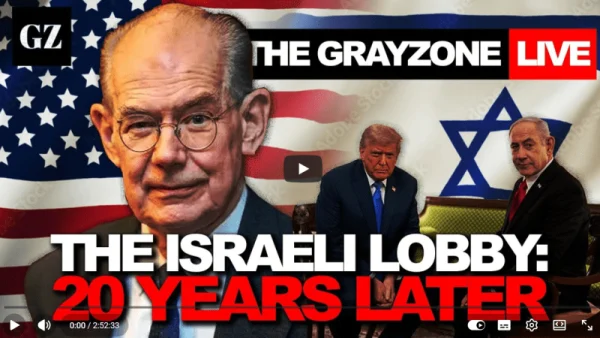
USA support of Israel. The unmatched power of the Israel Lobby. El apoyo de Estados Unidos a Israel. El poder sin parangón del lobby israelí. ENG ESP
Israel has infected the United States through the Israeli lobby and turned it into a zombie that acts in Israel's own best interests. Israel ha infectado Estados Unidos a través del lobby israelí y lo ha convertido en un zombi que actúa en favor del propio Israel
Publicado el 29 de agosto.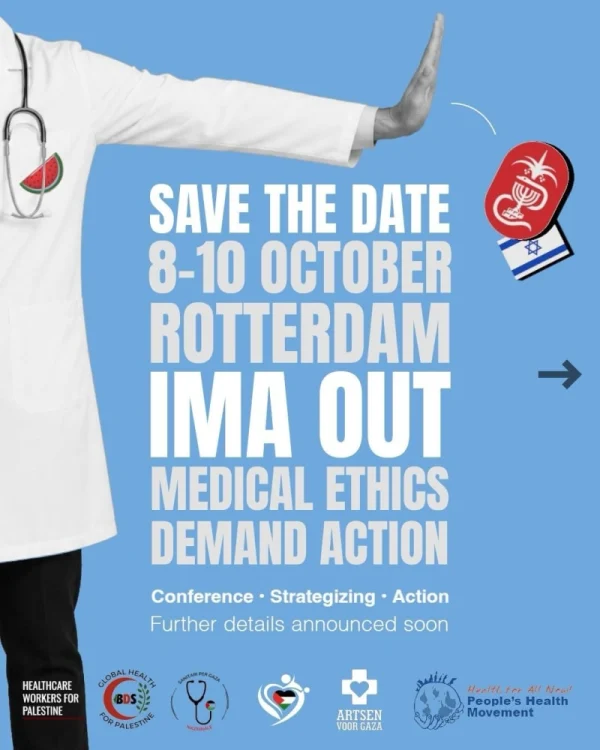
Convocatoria en Rotterdam, 8-10 octubre 2026, campaña fondos: Asociación Médica Israelí (IMA) fuera de la Asociación Médica Mundial (WMA). Meeting in Rotterdam, October 8-10, 2026, fundraising campaign: Israeli Medical Association out of the World Medical Association. ESP ENG
Por ética y dignidad la IMA fuera de la WMA. Uphold medical ethics, IMA out of WMA
Publicado el 29 de agosto.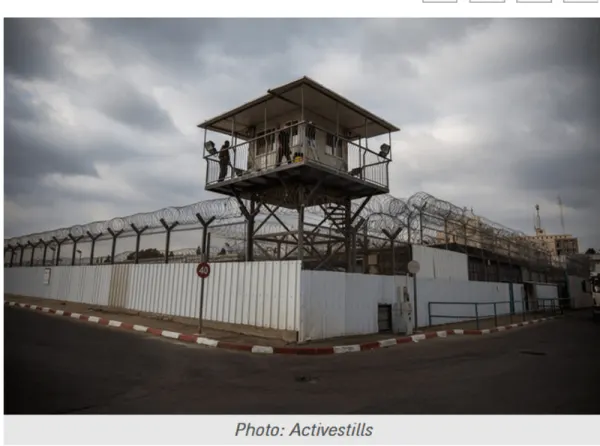
Israeli prisons as machines of Palestinian death. Las cárceles israelíes como máquinas de matar palestinos. ENG ESP
“The logic of the Israeli carceraly system is now one of starvation, beatings, killings” “La lógica del sistema carcelario israelí es ahora de hambrunas, palizas y asesinatos”
Publicado el 24 de agosto.
Teva feels the pressure against Israel and the Palestinian genocide on its neck. Teva siente en la nuca el aliento contra Israel y el genocidio palestino. ENG ESP
In a US trial, it is asking to conceal its Zionist nature. En un juicio en Estados Unidos pide ocultar su carácter sionista.
Publicado el 10 de agosto.Ver más / See more
