

¿Qué profesionales queremos ser? Ante la brutalidad en Gaza, no son opciones ni el silencio ni la neutralidad. What kind of professionals do we want to be? A wake-up call from Sweden. ESP ENG
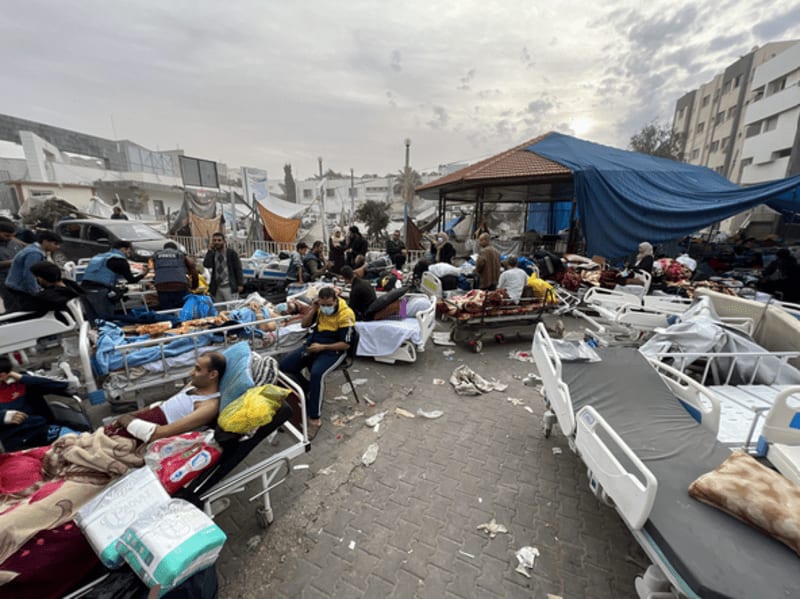
Un aldabonazo desde Suecia. La justicia no se consigue con el silencio. Justice is not achieved through silence.
ESPAÑOL En sanidad, ¿qué profesionales queremos ser? Un aldabonazo desde Suecia
Health Workers For Palestine, Spain
Rusia invade Suecia (1).
Cinco de los grandes hospitales suecos han sido bombardeados. Más de 1800 ataques a los servicios sanitarios, según la OMS, y más de 1000 sanitarios asesinados por los bombardeos deliberados contra los sistemas de salud. Sahlgrenska no funciona apenas, las unidades neonatales han sido derrumbadas, los servicios no funcionan, las camas se amontonan en la planta baja, donde la entrada sirve para acoger a refugiados de los bombardeos. Apenas hay antibióticos, hay extrema escasez de material médico. El ejército ocupante no deja entrar comida, material médico, medicamentos ni productos de higiene básica a Suecia. No hay acceso a oxígeno, a material esterilizado ni a vacunas. Los servicios de cuidados intensivos funcionan al mínimo. Las cirugías a niños se hacen sin anestesia, se amputan a niños como si de carne se tratara. Las ambulancias han sido bombardeadas y apenas quedan servicios en la mayoría de las ciudades suecas. El personal médico trabaja día y noche, sus familiares han sido asesinados de forma deliberada y, aun así, continúan prestando cuidados a los heridos; ahora mismo, 14 médicos siguen secuestrados en las prisiones rusas sin cargos y torturados de forma atroz. Un compañero traumatólogo ha sido asesinado y torturado, el ejército enemigo inserta un objeto metálico perforando el ano, el doctor muere desangrado. Es tan sólo uno de los miles de prisioneros secuestrados que sufren las peores atrocidades en las cárceles rusas; ya van más de 1000 sanitarios asesinados.
El derecho humanitario internacional postula que el personal sanitario no debe ser objetivo de bombardeos en conflictos armados. Esto es un acto deliberado para acabar con toda la esperanza de vida en Suecia, porque los sanitarios y el sistema de salud representan el cuidado de la vida.
Si no se os eriza la piel al poneros en este escenario, queridos/as compañeros/as sanitarios,
¿Qué más os puede hacer mover el corazón?
¿No pediríamos a gritos que el mundo mostrara solidaridad por los colegas suecos que ejercen su labor en medio de un conflicto armado y están siendo masacrados de forma premeditada como forma de castigo colectivo y con una intención genocida? ¿No estaríamos indignados y haríamos todo a nuestro alcance para que la profesión sanitaria y el sistema de salud fueran protegidos para que pudieran seguir con su labor de proteger la vida?
Este escenario es bien real.
Se llama Gaza.
Y ell ejército ocupante es el ejército sionista de Israel.
Lleva, según The Lancet (2), a más de 70000 personas asesinadas, entre las cuales aproximadamente 20000 niños. Estas cifras se cuadruplican si se tienen en cuenta las muertes indirectas (por hambruna, las enfermedades crónicas y falta de cuidados médicos continuados, etc.).
Hemos jurado proteger la vida en todas sus formas, sin importar la clase, la raza, el sexo, la procedencia, la orientación sexual o las creencias. Hemos jurado no abandonar a los débiles, a los moribundos, a ser fieles a nuestra ética médica y a los principios más básicos del derecho humanitario internacional. “No somos solo médicos de los que pasan por nuestra consulta, sino también de los que no están”, escuché decir a J. Gérvas en un SIAP (3).
Tenemos el deber de actuar ante la mala praxis, denunciar cuando las políticas van en contra de la salud de las personas, actuar cuando la ética médica peligra.
En Suecia, los médicos se han manifestado contra nuestra situación laboral, el programa Millennium en Borås (4), contra las políticas racistas contra las personas en situación irregular (angiverilagen) (5), pero ¿somos más contundentes cuando nuestros privilegios peligran? Aún no me cabe en la cabeza que los propios médicos/as no sean capaces de pronunciarse libremente en temas políticos que tienen impactos profundos en la salud de la población, desde la privatización junto con el deliberado debilitamiento del sistema público, la precarización de los profesionales sanitarios de base, como los que trabajan en el servicio domiciliario (hemtjänst) y auxiliares, la creciente desigualdad en salud en Suecia, etc. Y sigue en aumento.
Nos cuesta pronunciarnos y tener opiniones claras en temas políticos como si estos fueran ajenos a nosotros.
¿Acaso no somos parte de la sociedad? ¿Acaso no afectan estas políticas a la forma en que atendemos a nuestros pacientes y afectan a nuestra vida laboral con el aumento creciente de la carga laboral y el burnout de nuestros profesionales? ¿Cómo es que damos sentido a lo que pasa en el mundo y en nuestro contexto local si no es disociando? ¿Cómo se puede hacer medicina sin entender que lo que pasa en el mundo nos afecta de una forma u otra?
Que Palestina, Congo, Sudán o Sáhara Occidental estén lejos no justifica que no estemos involucrados o que debamos sentir menos empatía por ellos; porque tenemos pacientes de todas las nacionalidades. Muchos de ellos supervivientes de guerras creadas por Occidente, financiadas por la UE, armadas por nuestros Estados de bienestar.
Que, como profesionales sanitarios, cerremos los ojos ante la realidad política es de ingenuos y no entender que la creciente ola de racismo institucional, la falta de solidaridad internacional y las políticas neoliberales nos llevan a una sociedad más dividida, aún más desigual y más aislada del mundo. Y esto afecta directamente a la salud, en especial a la de las minorías y la clase trabajadora. Hacer yoga, viajar a Tailandia, ir al gimnasio, comprarse un Tesla, pedir un aumento salarial de 3000 kr, tomarse un vuelo a Torrevieja para descansar nos da un respiro, pero no nos hace mejores personas ni mejores profesionales.
Trabajamos ajenos a la realidad de la sociedad, como si a nosotros y a nuestros pacientes no nos afectara, alegando una suerte de neutralidad política con la creencia de que así se mantiene el orden, aún cuando va en contra de los premisas más básicas de la ética médica.
Rudolf Virchow dijo que “La medicina es una ciencia social, y la política no es otra cosa que medicina a gran escala”.
Pero elegimos el silencio y la neutralidad como colectivo, y la justicia no se consigue con el silencio. Hay un orden de miedo en nuestras esferas sanitarias. Miedo a las represalias. No nos atrevemos a pronunciarnos por miedo a que seamos demasiado políticos, porque rápidamente saltan los políticos defensores del orden establecido que acusan de que somos partidarios o demasiado inclinados políticamente.
Que prevalezca la neutralidad, que realmente es avalar el orden establecido, el egoísmo, la falta de solidaridad. ¿Mejor hablar del tiempo? Somos adultos que no saben debatir sin entrar en conflicto. Mejor callados.
Pregunto a mis compañeros/as: ¿para cuándo levantarse contra las injusticias, no sólo las que nos afectan directamente, sino también las del mundo? ¿Cómo no indignarse ante la matanza premeditada de nuestros compañeros sanitarios en el otro lado del mundo? ¿Cómo no levantarse contra el racismo, las guerras, el patriarcado, la ocupación de territorios, la maldad y la codicia, y no solamente por salarios o condiciones laborales mejores?
En una atmósfera política de creciente apología al odio, con políticas que fomentan la división y la vulneración de los derechos de los más débiles, la profesión sanitaria debería estar en primera línea de protesta y defensa, por una sociedad donde caben todos: sean las deportaciones de menores (6), la ley de migración más restrictiva, el uso del criterio de la "buena conducta" (vandelprövning) para revocar permisos de residencia, las zonas de registro e identificación policial (visitationszoner), hasta la implicación de Suecia en la OTAN y la firma del acuerdo DCA sin referéndum, lo que supone un giro hacia una política belicista en lugar de la tradición sueca de solidaridad internacional y diplomacia.
Decidme que la medicina no es política, que nos vamos a creer el cuento de que no nos debemos implicar políticamente para no afectar a nuestros pacientes. Que la neutralidad es la nueva ética médica de la era digital.
Sí, no ensuciemos nuestra bata blanca, pero ¿qué tipo de profesionales sanitarios queremos ser?
-
Organización Mundial de la Salud (WHO). Datos sobre ataques contra la atención sanitaria en conflictos armados.
-
Checchi F, Spagat M, et al. Violent and non-violent death tolls for the Gaza conflict: new primary evidence from a population-representative field survey. The Lancet Global Health. 2026. Disponible en: https://www.thelancet.com/journals/langlo/article/PIIS2214-109X(25)00522-4/fulltext
-
Gérvas J. Intervención en un Seminario de Innovación en Atención Primaria (SIAP). Cita.
-
Protest mot journalsystemet Millennium utanför Södra Älvsborgs sjukhus. SVT Nyheter. Disponible en: https://www.svt.se/nyheter/lokalt/vast/protest-mot-journalsystemet-millennium-utanfor-sodra-alvsborgs-sjukhus
-
Sobre la denominada angiverilagen y el deber de denuncia de personas en situación irregular por parte de empleados públicos. https://www.vardfokus.se/nyheter/vardpersonal-protesterade-mot-anmalningsplikten-jag-kommer-inte-att-lyda/.
-
Sweden: Deporting Young People. Human Rights Watch. 19 febrero 2026. Disponible en: https://www.hrw.org/news/2026/02/19/sweden-deporting-young-people
 Available in
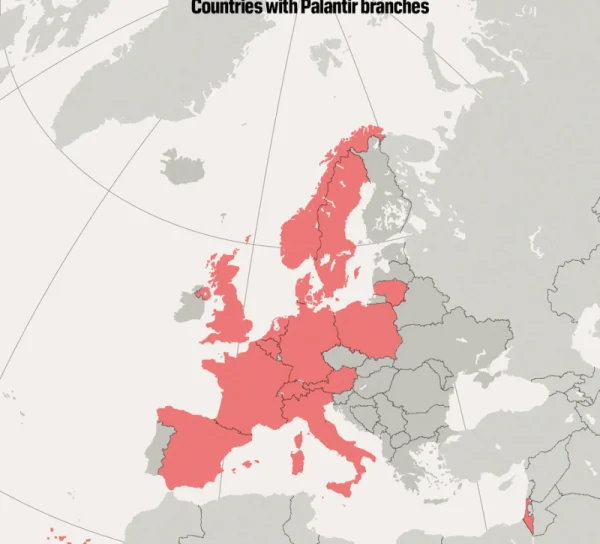
 España contrata Defensa con Palantir
Al menos 1400 millones de euros en Palantir, gasto europeo
Publicado hace 2 días. Available in
 Una vergüenza médica internacional: la "Declaración de Rotterdam" de la Asociación Médica Mundial AMM
Hecha a medida de la Asociación Médica Israelí AMI. Apoyada por la Asociación Médica Británica
Publicado hace 3 días. Available in
 Los soldados israelíes asesinan a civiles indefensos y los "cuentan" como terroristas
No asesinan, simplemente "eliminan"
Publicado hace 5 días.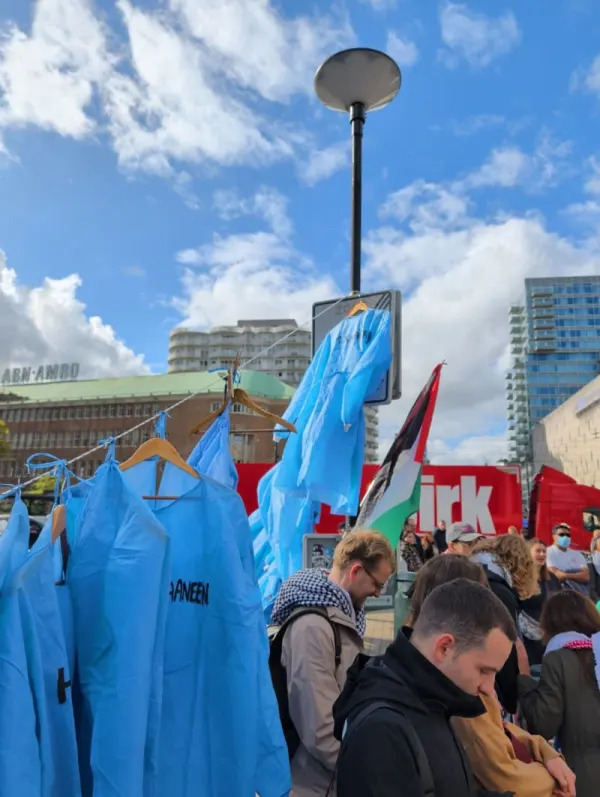 Available in
 Nota de prensa. 81 batas colgadas ante la Asociación Médica Mundial AMM
La Asociación Médica Israelí fuera de la AMM. En representación de 81 trabajadores palestinos en cárceles israelíes.
Publicado hace 7 días.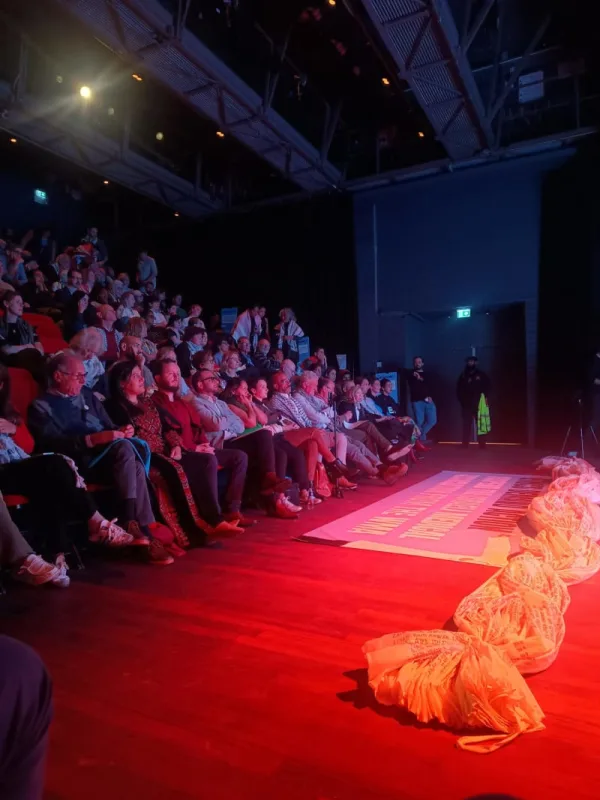 Available in
 Miles de médicos y profesionales de sanidad piden la expulsión de la Asociación Médica Israelí de la Asociación Médica Israelí
La Asociación Médica Israelí incumple sus responsabilidades hacia los pacientes palestinos.
Publicado hace 8 días.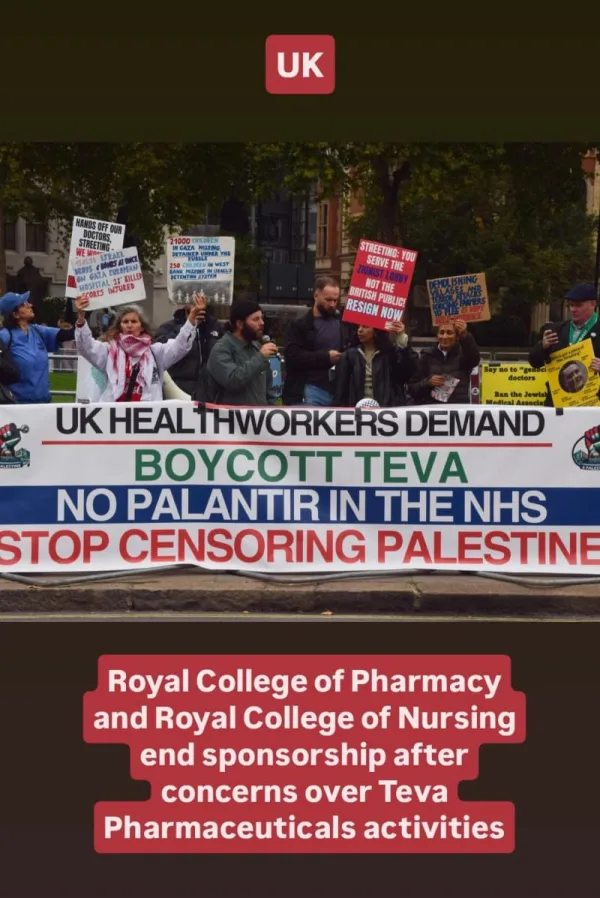 Available in
 Reino Unido. El Real Colegio de Farmacia y el Real Colegio de Enfermería ponen fin al patrocinio de Teva
Por las preocupaciones surgidas por sus actividades
Publicado hace 8 días.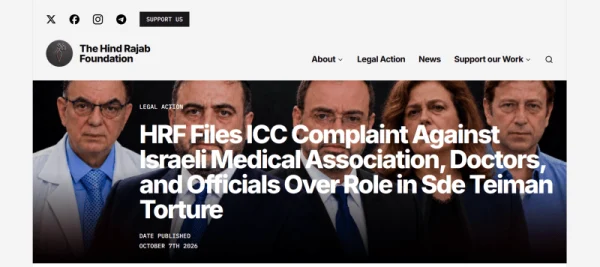 Available in
 Crímenes de guerra. La Fundación Hind Rajab ante la CPI: implicación de funcionarios del gobierno de Israel y la Asociación Médica. ESPAÑOL ENGLISH
Muerte, tortura y malos tratos a detenidos palestinos recluidos en el centro de detención de Sde Teiman desde el 7 de octubre de 2023.
Publicado hace 9 días. Available in
 ESPAÑA. Boicot a Teva. Resumen. Octubre 2026. Actualización. ESPAÑOL ENGLISH
Nadie es "inocente", tampoco España.
Publicado hace 11 días.Ver más / See more
