

The Israeli Medical Association (IMA) is acting like the Israel Defense Forces (IDF)'s mouthpiece. La Asociación Médica Israelí (AMI) actúa como portavoz de las Fuerzas de Defensa de Israel (FDI). ENG ESP
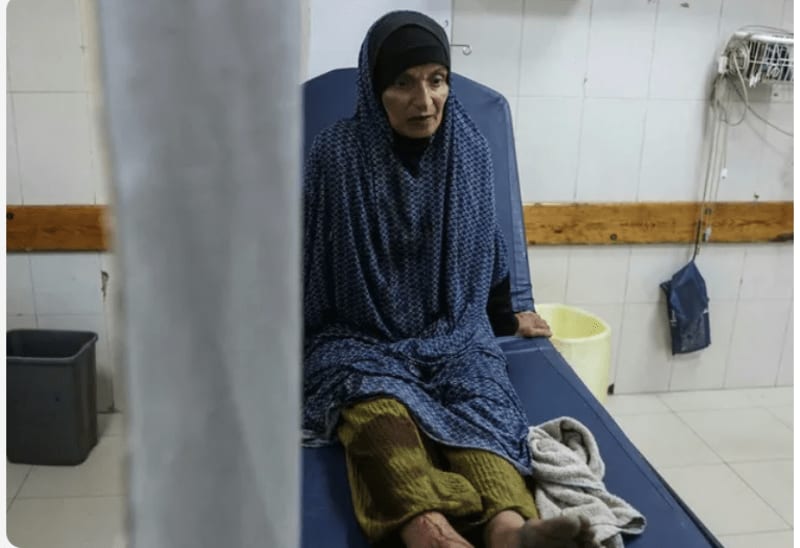
"How can we, doctors, stand aside?". "¿Cómo podemos nosotros, los médicos, quedarnos al margen?"
The Israeli Medical Association (IMA) is acting like the Israel Defense Forces (IDF)'s mouthpiece
Tirza Leibowitz June 24, 2026
The IMA is under fire from medical associations across the world, for its silence in the face of Israel's obstruction and attacks on healthcare in Gaza and prisons. At best it has managed timid requests for information as a result of severe pressure Recently, "The Lancet," a medical journal, covered health organizations that are calling to suspend the Israel Medical Association from the World Health Organization, due to its alleged silence in face of the destruction of Gaza's health care system and the harm to medical staff over the course of the war.
For the last 50 years, medical associations have taken a stance on international medical and humanitarian crises, from warning about the destructive effects of nuclear weapons on medical infrastructure, to criticism that forced the South African Medical Association to resign from the World Medical Association during the apartheid regime, to a condemnation of destructive attacks against health care facilities in Ukraine.
Now, medical associations across the world are coming out against the Israeli Medical Association's silence on the horrors in the Gaza strip and the abuse of incarcerated Palestinians, which includes starvation and denying medical care. The IMA has refrained from taking significant steps against its members who are in charge of prison medical care, and hasn't called to investigate the massive shelling of hospitals, detention of medical staff or obstruction of humanitarian assistance to Gaza residents.
Its few protests have been weak, for the most part restrained by speculations – that the doctors were terrorist operatives, or that hospitals served as terrorist headquarters. And most of the calls it issued were in response to requests by international medical associations.
In January of 2025, Dr. Hussam Abu Safiya, director of the Kamal Adwan Hospital in Gaza, was detained during an Israel Defense Forces raid at his hospital. The IMA chairman turned to the army: "We received a request for information from the Royal College of Paediatrics and Child Health in England and from the World Medical Association," he wrote. We are aware … of the worries that Dr. Safiya was a Hamas operative … at the same time, the fact that we're unable to provide additional information about him exacerbates the situation of the IMA in particular and the State of Israel in general … we request receipt of concrete information as to the fate of Dr. Safiya."
In July of 2025, the IMA chair chairman turned to the army with a request for details about the killing of Dr. Marwan al-Sultan, director of the Indonesian Hospital in Gaza, along with his family, by a missile that the army fired at his home. This time as well, the request came in the light of "many inquiries, including from international organizations, regarding his death."
After the British Medical Association signaled that it would consider suspending its relations with the IMA, the IMA in May of 2025 published its first response to the humanitarian crisis in Gaza, even though it inserted the familiar insinuation of terrorist activity. This happened after months of crisis due to a complete blockade of humanitarian aid. And only in August of 2025 did the IMA first react to the bombing of hospitals in Gaza, after hundreds of bombings that hit the majority of hospitals in the Strip.
Therefore, it's no wonder that medical associations across the world are pressuring the IMA and criticizing its silence, and maybe that will cause the association to take a stand on two positions on which we haven't yet heard the last word.
The IMA's few protests have been weak, and for the most part restrained by speculations over terrorism. Most of the calls it issued were in response to requests by international medical associations.
The High Court of Justice is currently hearing a petition by Physicians for Human Rights to release 14 doctors, out of hundreds who have been detained in Gaza since October 2023 while working as doctors, and are still being held in Israeli prison facilities. Gaza's health care system needs every one of its doctors, but they're being held without indictment in life-threatening conditions in Israeli detention camps.
While doctors around the world are vigilantly following every piece of information about the doctors in Israeli prison facilities, the heads of the IMA explain their silence as due to their inability to rule out the suspicion of "involvement in terrorist activity or combat," as though they were the mouthpiece of the defense establishment in the "one-sided" debate.
An additional petition of ours demands the renewal of the medical corridor between Gaza and the West Bank. It's the only solution for tens of thousands of the ill and wounded.
The IMA refusal so far to get into the thick of things can make it a burden on its members. It's a fact that heads of IMA subassociations themselves already asked the IMA in November 2025 to join the petition on the issue, due to the ethical harm involved in denying life-saving treatments like chemotherapy to the residents of the Gaza Strip, although these are available for them in the West Bank, East Jerusalem, and Israel. The IMA replied that the issue is "diplomatic, and not the business of the ethics bureau," leaving no choice for 32 doctors, who are some of Israel's top administrators and experts, but to turn to the High Court themselves with a request to join the petition.
The opinion of one of the 32 doctors says it all: the short distance between Israel, Gaza, and the West Bank turns an abstract obligation into one that's concrete, urgent, and feasible. For that reason, the doctor continues, "How can we, doctors and educators, stand aside and not cry out or warn about the trampling of the principles of medical ethics that's taking place before our eyes?"
It's still not too late to choose action instead of silence.
Tirza Leibowitz June 24, 2026
The author is the deputy director of Physicians for Human Rights Israel
ESPAÑOL
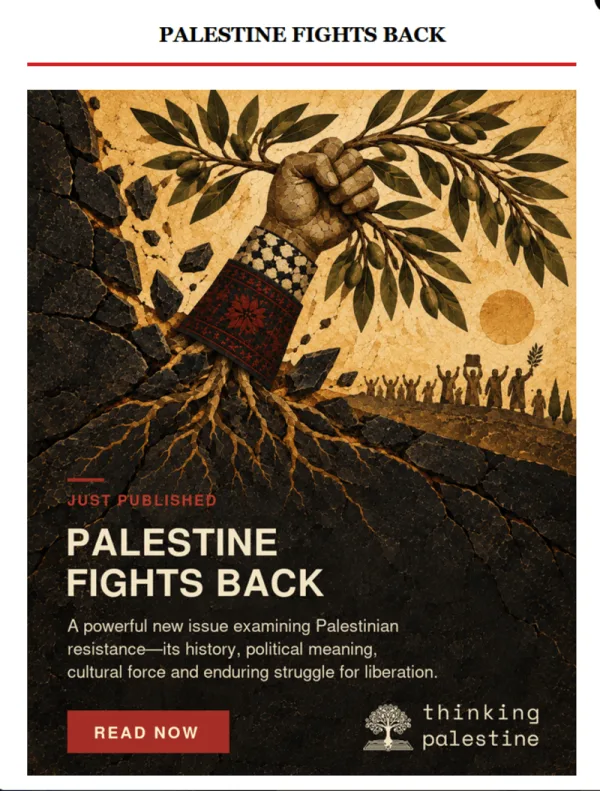
“Resist by all available means—armed resistance, cultural resistance and economic resistance.” «Resistir por todos los medios disponibles: resistencia armada, resistencia cultural y resistencia económica». ENG ESP
Breaking the Taboo: Palestine and Armed Resistance. Sin tabués: la resistencia armada palestina.
Publicado hace 8 días.
Asier y Youssef, miembros de ‘Iranekin Bat’ y Samidoun detenidos y procesados en la Audiencia Nacional.
"Si Youssef y Asier son terroristas, yo también soy terrorista”
Publicado hace 14 días.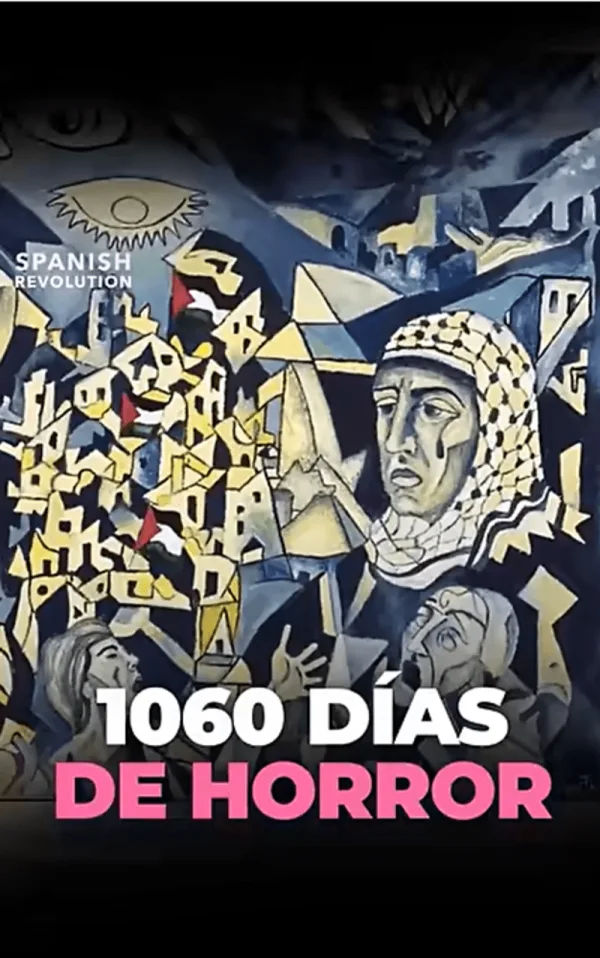
1060 días de horror. 2 septiembre 2026. Spanish Revolution
La obscenidad también consiste en eso: convertir una carnicería diaria en ruido de fondo.
Publicado el 7 de septiembre.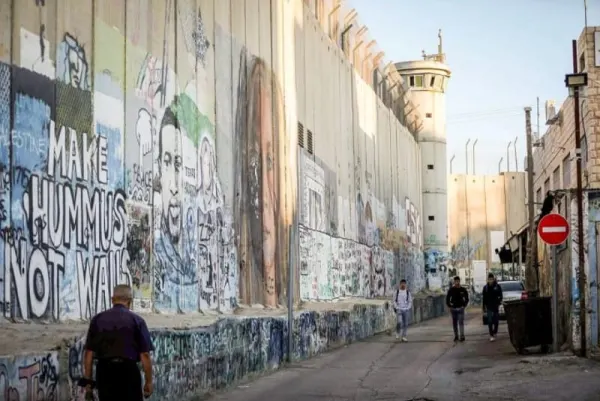
Israel quiere "borrar" a los palestinos de Palestina. Israel wants to "erase" the Palestinians from Palestine. ESP ENG
Israel busca crear un pueblo de muertos vivientes que emigren "voluntariamente". O una matanza brutal. Israel seeks to create a nation of the living dead who emigrate "voluntarily." Or a brutal massacre.
Publicado el 3 de septiembre.
USA support of Israel. The unmatched power of the Israel Lobby. El apoyo de Estados Unidos a Israel. El poder sin parangón del lobby israelí. ENG ESP
Israel has infected the United States through the Israeli lobby and turned it into a zombie that acts in Israel's own best interests. Israel ha infectado Estados Unidos a través del lobby israelí y lo ha convertido en un zombi que actúa en favor del propio Israel
Publicado el 29 de agosto.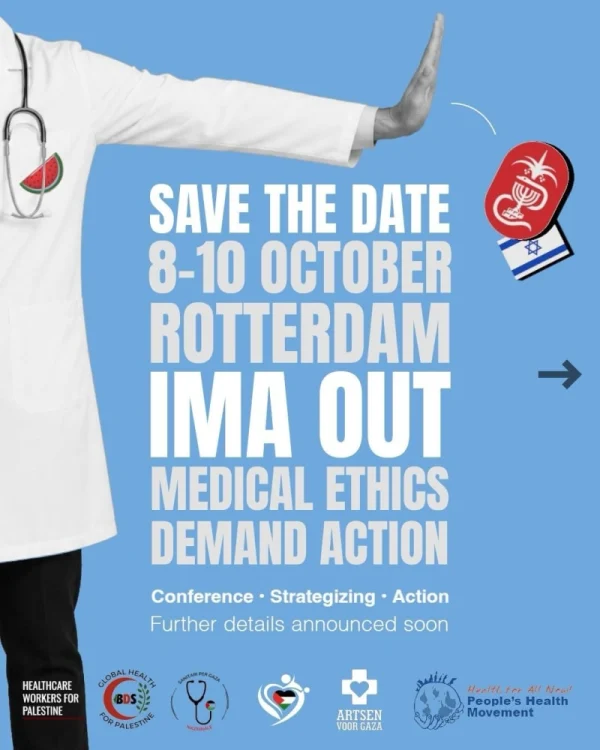
Convocatoria en Rotterdam, 8-10 octubre 2026, campaña fondos: Asociación Médica Israelí (IMA) fuera de la Asociación Médica Mundial (WMA). Meeting in Rotterdam, October 8-10, 2026, fundraising campaign: Israeli Medical Association out of the World Medical Association. ESP ENG
Por ética y dignidad la IMA fuera de la WMA. Uphold medical ethics, IMA out of WMA
Publicado el 29 de agosto.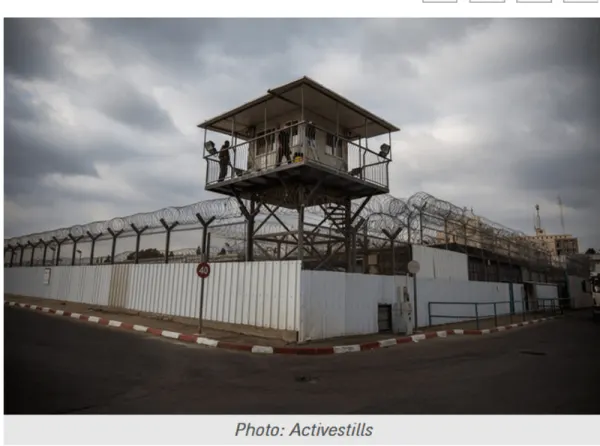
Israeli prisons as machines of Palestinian death. Las cárceles israelíes como máquinas de matar palestinos. ENG ESP
“The logic of the Israeli carceraly system is now one of starvation, beatings, killings” “La lógica del sistema carcelario israelí es ahora de hambrunas, palizas y asesinatos”
Publicado el 24 de agosto.
Teva feels the pressure against Israel and the Palestinian genocide on its neck. Teva siente en la nuca el aliento contra Israel y el genocidio palestino. ENG ESP
In a US trial, it is asking to conceal its Zionist nature. En un juicio en Estados Unidos pide ocultar su carácter sionista.
Publicado el 10 de agosto.Ver más / See more
