

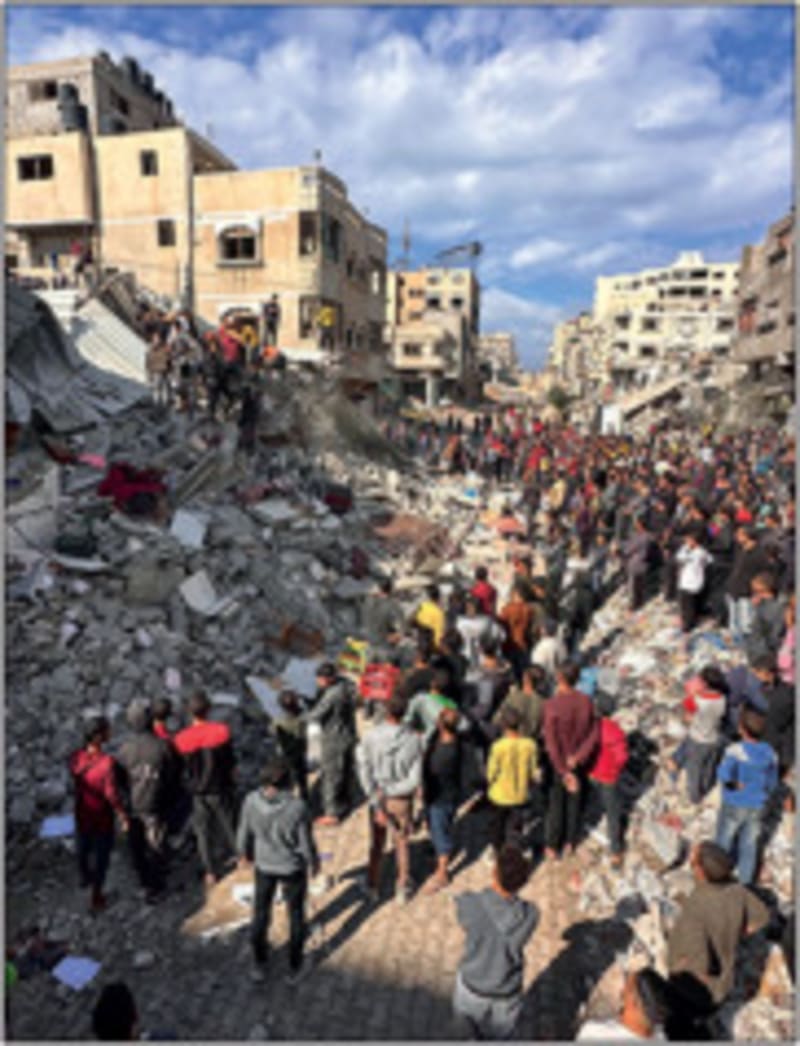
Gaza has been failed by silence and impunity. Gaza, silencio e impunidad ENG ESP
ENGLISH Editorial The Lancet May 24, 2025
Starvation is only one aspect of this grim reality. The attacks on health-care facilities and workers have been relentless, with Gaza having by far the most attacks on health care of any country experiencing conflict in 2024. Many hospitals have either been bombed or destroyed, particularly in the northern parts of Gaza. Specialised care is almost non-existent. The European Gaza Hospital, the only facility able to conduct cancer-related surgery, is no longer functioning. The already moribund health system has been further weakened by aid blockade and the unacceptable killing of more than 1400 health-care workers. Medical Aid for Palestinians, a UK-based charity, has stated that “Gaza's health system is being systematically dismantled, making it impossible to sustain Palestinian life in Gaza.”
The Israeli Government has also targeted civilian infrastructure required for the survival of Palestinians, with 89% of the water and sanitation systems and 92% of housing destroyed or damaged. With no-go military zones now covering 70% of Gaza and the displacement of around 90% of the population to overcrowded living spaces with little access to clean water and sanitation, infectious diseases are rife. The bleak health situation on the ground after 19 months of protracted conflict in Gaza is now laid bare in a letter by the UN Relief and Works Agency for Palestine Refugees. Comparing annual data from 2023 and 2024, cases of acute watery diarrhoea increased 36-fold, while acute jaundice syndrome (indicative of hepatitis A) increased 384-fold. Palestinians are being forced to live in inhumane conditions where disease proliferates.
A recent webinar on the situation in Gaza reported that every day, on average, 35 children are killed in Gaza, amounting to a total of at least 18 000 children killed in this conflict. Pre-teen children are being admitted with gunshot wounds. Children are dying of chronic malnutrition and those who survive might never fully recover. Gaza is also home to the largest cohort of child amputees in modern history. Beyond physical injuries, the psychological trauma of seeing their houses being destroyed and families being killed will leave permanent scars. The legacy of such destruction will be felt for generations to come.
For too long, the Israeli Government has acted with impunity. Speaking on the same webinar about the current humanitarian crisis, Nick Maynard, a UK surgeon who has completed several tours in Gaza, said he had witnessed “many examples of clear war crimes”. But despite often-repeated statements from doctors and public health experts about the atrocities committed against the civilian population in Gaza, many medical academies and health professional organisations that claim a commitment to social justice have failed to speak out. Their silence is morally unacceptable.
ESPAÑOL
La hambruna es solo un aspecto de esta cruda realidad. Los ataques a las instalaciones y al personal sanitario han sido implacables, y Gaza ha sido, con diferencia, el país con más ataques a la atención sanitaria en conflicto en 2024. Muchos hospitales han sido bombardeados o destruidos, especialmente en el norte de Gaza. La atención especializada es prácticamente inexistente. El Hospital Europeo de Gaza, el único centro capaz de realizar cirugías oncológicas, ya no funciona.
El ya moribundo sistema sanitario se ha visto aún más debilitado por el bloqueo de la ayuda humanitaria y el inaceptable asesinato de más de 1400 profesionales sanitarios. Medical Aid for Palestinians, una organización benéfica con sede en el Reino Unido, ha declarado que «el sistema sanitario de Gaza está siendo desmantelado sistemáticamente, lo que imposibilita el mantenimiento de la vida palestina en Gaza».
El gobierno israelí también ha atacado la infraestructura civil necesaria para la supervivencia de los palestinos, con el 89 % de los sistemas de agua y saneamiento y el 92 % de las viviendas destruidas o dañadas. Con zonas militares de exclusión que cubren ahora el 70% de Gaza y el desplazamiento de alrededor del 90% de la población a espacios habitables superpoblados con escaso acceso a agua potable y saneamiento, las enfermedades infecciosas son moneda corriente.
La precaria situación sanitaria sobre el terreno tras 19 meses de prolongado conflicto en Gaza queda expuesta en una carta del Organismo de Obras Públicas y Socorro de las Naciones Unidas para los Refugiados de Palestina. Al comparar los datos anuales de 2023 y 2024, los casos de diarrea acuosa aguda se multiplicaron por 36, mientras que el síndrome de ictericia aguda (indicativo de hepatitis A) se multiplicó por 384. Los palestinos se ven obligados a vivir en condiciones inhumanas donde proliferan las enfermedades. Un seminario web reciente sobre la situación en Gaza informó que cada día, en promedio, 35 niños mueren en Gaza, lo que suma un total de al menos 18.000 niños muertos en este conflicto. Niños preadolescentes ingresan con heridas de bala. Los niños mueren de desnutrición crónica y quienes sobreviven podrían no recuperarse nunca por completo. Gaza también alberga la mayor cohorte de niños amputados de la historia moderna. Más allá de las lesiones físicas, el trauma psicológico de ver sus casas destruidas y a sus familias asesinadas dejará cicatrices permanentes. El legado de tal destrucción se sentirá en las generaciones venideras.
Durante demasiado tiempo, el gobierno israelí ha actuado con impunidad. En el mismo seminario web sobre la actual crisis humanitaria, Nick Maynard, cirujano británico con varias misiones en Gaza, afirmó haber presenciado "numerosos ejemplos de claros crímenes de guerra". Sin embargo, a pesar de las reiteradas declaraciones de médicos y expertos en salud pública sobre las atrocidades cometidas contra la población civil en Gaza, muchas academias de medicina y organizaciones profesionales de la salud que afirman su compromiso con la justicia social no se han pronunciado. Su silencio es moralmente inaceptable.
 Available in
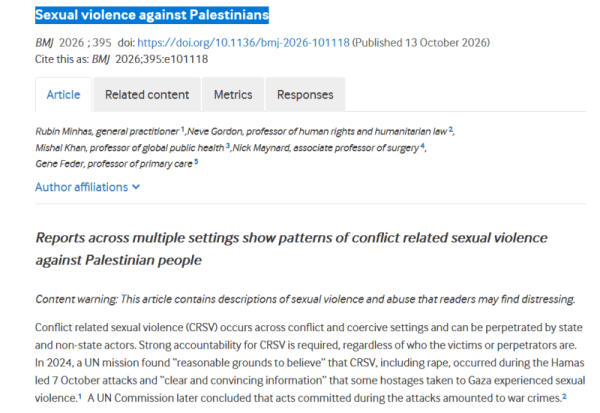
 Violencia sexual en Palestina. Sexual violence against Palestinians. ESPAÑOL ENGLISH
Publicado hoy. Available in
 The GazaIndex. GazaDatos
Publicado el 11 de septiembre.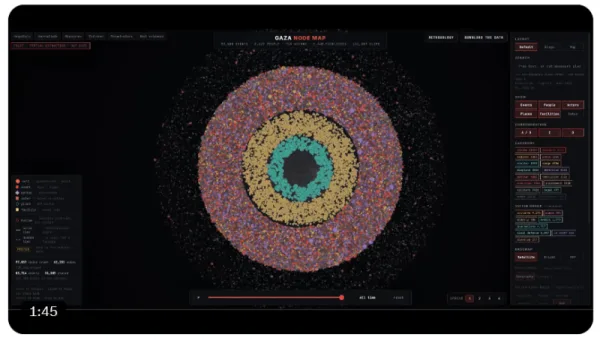 Available in
 Gaza Node Map. Mapa de Nodos de Gaza.
Publicado el 7 de septiembre.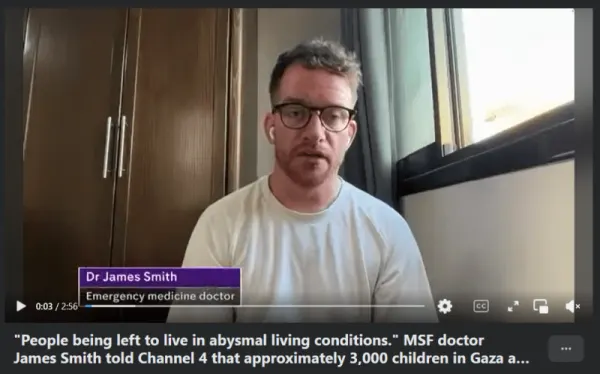 Available in
 Gaza "People being left to live in abysmal living conditions." "Condiciones de vida infrahumanas"
Publicado el 3 de septiembre.![Poor response from the Israeli Medical Association [expulsion of the World Medical Association]. ENG ESP](https://res.cloudinary.com/dohlie6or/image/upload/f_webp,q_auto,w_600/v1787675081/c0ue4z5k3kut05cduwyg.png) Available in
Available in Poor response from the Israeli Medical Association [expulsion of the World Medical Association]. ENG ESP
Publicado el 25 de agosto. Available in
 Tirza Leibowitz. Executive director of Physicians for Human Rights Israel. Directora de Médicos for los Derechos Humanos en Israel. ENG ESP
Publicado el 17 de agosto. Available in
 Humanitarian Situation Report | 7 August 2026. Informe sobre la situación humanitaria, actualizado al 7 de agosto de 2026. ENG ESP
Publicado el 10 de agosto. Available in
 Israel kills without ceasing in Palestine and expands extermination zone in Gaza. Israel asesina sin cesar en Palestina, y expande la zona de destrucción en Gaza. ESP ENG
Publicado el 3 de agosto.Ver más / See more
