

Publicado el 22 de diciembre de 2025.
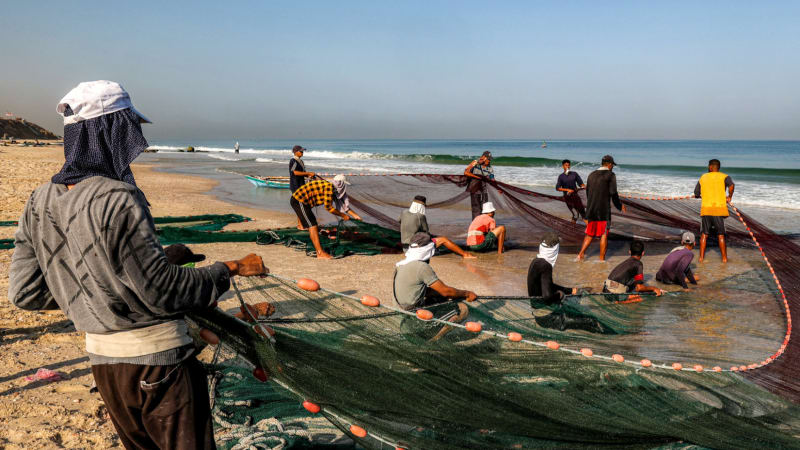
Since 7 October 2023, the Israeli military has killed at least 230 Palestinian fishermen. 230 pescadores palestinos, asesinados desde el 7 de octubre de 2023 ENG ESP
“Tratados como criminales”: Pescadores de Gaza lo arriesgan todo en el mar
Ante la hambruna, los palestinos recurren al mar para alimentar a sus familias, arriesgándose a la cárcel o la muerte.
Desde el inicio del genocidio en Gaza el 7 de octubre de 2023, el ejército israelí ha matado al menos a 230 pescadores palestinos, según el Sindicato de Pescadores Palestinos.
Por Maha Hussaini en la ciudad de Gaza y Mohammed al-Hajjar en Nuseirat 22 de diciembre de 2025
Incluso después de que los bombardeos israelíes destruyeran su barco y equipo de pesca, Ismail Farhat regresó al mar.
Pescar no era una opción para él; era su forma de alimentar a su familia. En la mañana del 8 de octubre, zarpó de la costa de Deir al-Balah, en el centro de Gaza, en una pequeña barcaza que él mismo había construido. Poco después, un buque de la armada israelí se acercó y le ordenó que se "rindiera".
Farhat fue detenido, torturado y amenazado con arresto si volvía a pescar, antes de ser liberado más de dos meses después.
"Estaba pescando con otro pescador cuando de repente se nos acercó un buque de la armada israelí. Nos ordenaron quitarnos la ropa, saltar al mar y nadar hacia su embarcación", declaró Farhat a Middle East Eye un día después de su liberación.
"Una vez a bordo, comenzaron a interrogarnos, preguntándonos dónde vivíamos, dónde habíamos estado antes de ser desplazados y solicitando datos personales como nuestros números de identificación, edad y números de teléfono móvil. Uno de los soldados me fotografió con su teléfono".
Desde el inicio del genocidio en Gaza el 7 de octubre de 2023, el ejército israelí ha asesinado al menos a 230 pescadores palestinos, según el Sindicato de Pescadores Palestinos.
Farhat fue llevado a un puerto que no pudo identificar, antes de ser trasladado a Sde Teiman, un conocido centro de detención israelí donde los detenidos palestinos son sometidos a severas torturas.
“Durante todo este tiempo, vestía solo pantalones cortos, sin nada más, y hacía un frío extremo. Pero no me permitían decir ni una palabra”, añadió.
“Cuando llegué a Sde Teiman, me obligaron a quitarme los pantalones cortos, me registraron y me dieron ropa de prisionero. Había alrededor de 150 detenidos palestinos en la prisión conmigo, incluyendo pescadores y camioneros, algunos de los cuales transportaban ayuda humanitaria o mercancías”.
Durante los primeros 50 días de su detención, Farhat estuvo esposado en todo momento. “Vivías las 24 horas del día con las manos esposadas. Nos prohibían hablar, inclinarnos hacia un lado y dormir. No nos permitían usar un colchón. Dormía sobre una malla de hierro”, añadió.
“A veces, debido al agotamiento extremo, me quedaba dormido o me inclinaba sin querer, y me castigaban de inmediato, obligándome a permanecer de pie durante dos o tres horas”.
Durante más de dos meses bajo custodia, Farhat afirmó que él y sus compañeros pescadores fueron “tratados como delincuentes”, a pesar de que nunca se les acusó formalmente. Durante este período, se encontró con numerosos compañeros pescadores recluidos en el mismo centro.
Muchos habían sido detenidos por pescar en medio de la hambruna impuesta por Israel en la Franja desde marzo. “Algunas noches, una unidad a la que llamaban 'comando' entraba en la prisión y lanzaba granadas aturdidoras y de humo contra los prisioneros. La mayoría de las veces, nos obligaban a permanecer de rodillas”, dijo Farhat.
“Cuando enfermábamos o sufríamos dolor, pedíamos un analgésico, pero se negaban rotundamente, dejándonos días sin medicación. En raras ocasiones, nos fotografiaban y nos sometían a largos procedimientos solo para darnos una sola dosis de analgésicos”.
Medios de vida arruinados
Según Farhat, cada dos días, ingresaban nuevos pescadores a la prisión. Los más jóvenes eran dos niños de 16 años, y el mayor rondaba los 56. Ninguno ha sido liberado hasta la fecha.
“Antes de mi detención, sufríamos acoso y ataques constantes por parte de la ocupación israelí, pero las duras condiciones de vida, especialmente durante la guerra, nos obligaban a volver al mar cada vez”, dijo.
Arriesgamos nuestras vidas simplemente para alimentar a nuestras familias. Sabemos que esta profesión suele conllevar detenciones, lesiones o la muerte.
 Available in
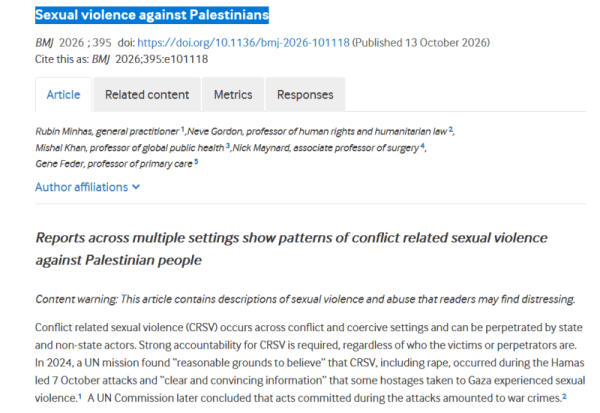
 Violencia sexual en Palestina. Sexual violence against Palestinians. ESPAÑOL ENGLISH
Publicado hoy. Available in
 The GazaIndex. GazaDatos
Publicado el 11 de septiembre. Available in
 Gaza Node Map. Mapa de Nodos de Gaza.
Publicado el 7 de septiembre. Available in
 Gaza "People being left to live in abysmal living conditions." "Condiciones de vida infrahumanas"
Publicado el 3 de septiembre.![Poor response from the Israeli Medical Association [expulsion of the World Medical Association]. ENG ESP](https://res.cloudinary.com/dohlie6or/image/upload/f_webp,q_auto,w_600/v1787675081/c0ue4z5k3kut05cduwyg.png) Available in
Available in Poor response from the Israeli Medical Association [expulsion of the World Medical Association]. ENG ESP
Publicado el 25 de agosto.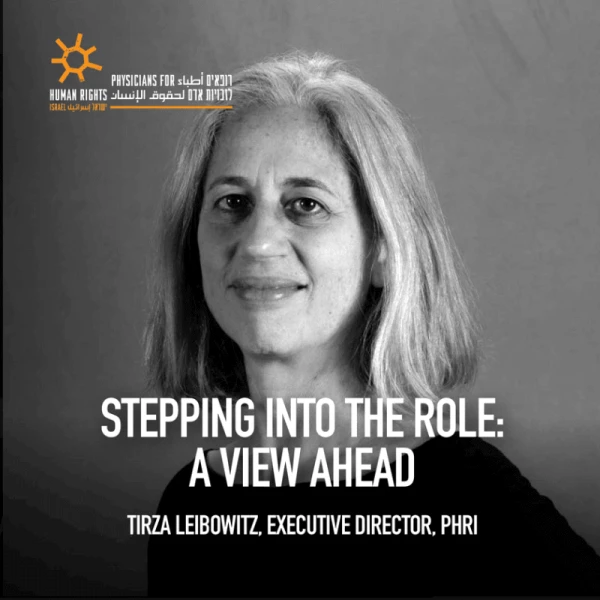 Available in
 Tirza Leibowitz. Executive director of Physicians for Human Rights Israel. Directora de Médicos for los Derechos Humanos en Israel. ENG ESP
Publicado el 17 de agosto.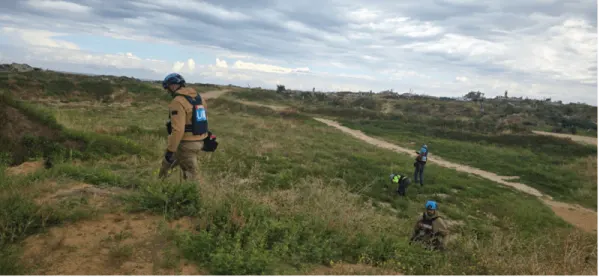 Available in
 Humanitarian Situation Report | 7 August 2026. Informe sobre la situación humanitaria, actualizado al 7 de agosto de 2026. ENG ESP
Publicado el 10 de agosto.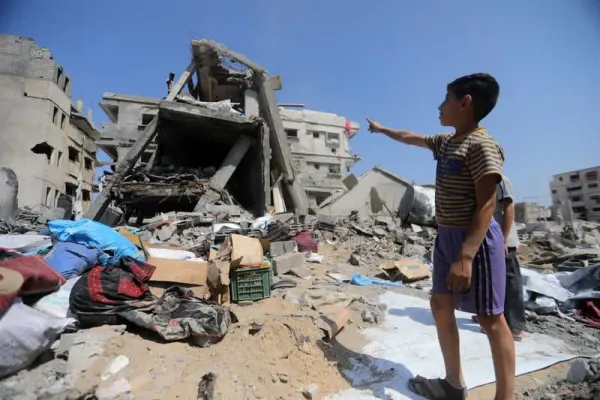 Available in
 Israel kills without ceasing in Palestine and expands extermination zone in Gaza. Israel asesina sin cesar en Palestina, y expande la zona de destrucción en Gaza. ESP ENG
Publicado el 3 de agosto.Ver más / See more
