

A Brief History of Anti-Zionist Jews. Una síntesis histórica del judaismo anti-sionista. ENG ESP
Publicado el 30 de mayo.
¿The solution? To create a socialist Palestine. ¿La solución? La creación de una Palestina socialista
Breve historia de los judíos antisionistas
Se nos dice que la guerra en Gaza es producto de un antiguo conflicto entre judíos israelíes y palestinos. Sin embargo, existe una larga historia de socialistas judíos que lucharon contra el sionismo, la cual ofrece lecciones para la lucha actual.
Nathaniel Flakin 21 de octubre de 2023
En las últimas semanas, más de 1000 israelíes y más del triple de palestinos han muerto. ¿Cuál es el origen de toda esta lucha? El conflicto se presenta a menudo como una antigua batalla entre religiones. Benjamin Netanyahu, por ejemplo, habló de una «lucha entre los hijos de la luz y los hijos de la oscuridad», mientras que Hamás lo ve como una lucha entre musulmanes y judíos.
En realidad, sin embargo, musulmanes, cristianos y judíos vivieron en relativa paz en Palestina durante siglos. Fue solo en la era del imperialismo, y especialmente con el inicio de la colonización sionista a finales del siglo XIX, cuando comenzó este supuesto conflicto «eterno».
A menudo se nos dice que todos los judíos son sionistas y que cualquiera que se oponga a Israel debe ser un antisemita. Esto nunca ha sido cierto. Siempre ha habido antisionistas en la diáspora y en Israel, y se han unido a la lucha con los palestinos por la coexistencia pacífica.
Primeros antisionistas socialistas
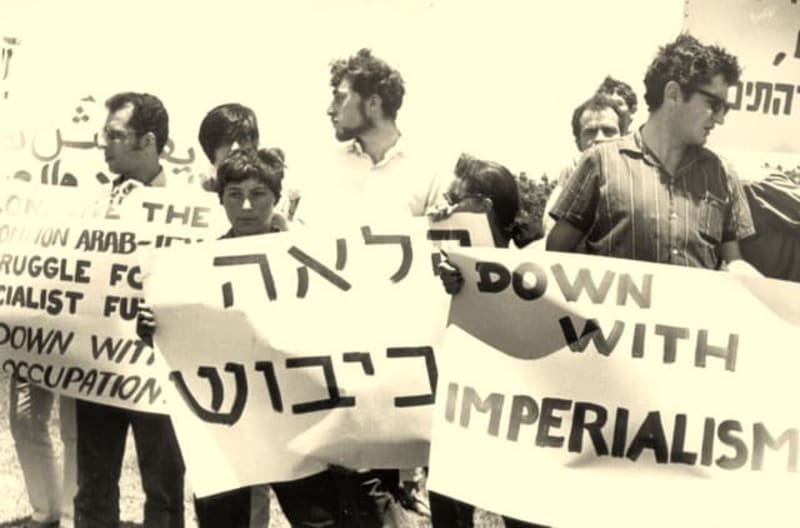
A finales del siglo XIX, cuando las ideas del sionismo se consolidaron, la mayoría de los trabajadores judíos consideraban ridícula la idea de colonizar Palestina. Los judíos proletarios de Europa del Este cantaban canciones burlándose de «Oy, Ir Narishe Tsionistn» («¡Qué sionistas tan insensatos!»).
La organización obrera antisionista más famosa fue la Liga General de Trabajadores Judíos, más conocida simplemente como el Bund. En lugar de buscar el fin de la opresión en una tierra lejana, querían luchar por la liberación dondequiera que vivieran, junto a todos los trabajadores. A esto lo llamaban «doikayt» o «aquí».
Rosa Luxemburgo, una de las revolucionarias judías más famosas de la historia, explicó por qué le interesaba todo el sufrimiento humano, no solo el judío: «Me preocupan igualmente las pobres víctimas de las plantaciones de caucho de Putumayo, los negros de África con cuyos cadáveres juegan los europeos», escribió a una amiga. «No tengo un lugar especial en mi corazón para el gueto. Me siento como en casa en todo el mundo dondequiera que haya nubes, pájaros y lágrimas humanas».
El Bund no fue una excepción. Socialistas y comunistas de diversas tendencias se oponían al sionismo. León Trotsky calificó el congreso sionista de 1903 como un evento «lamentable y vacío», liderado por un «aventurero desvergonzado». Además de sionistas burgueses como Herzl, también existían «sionistas socialistas» que proponían la colonización de Palestina, pero sobre una base socialista. El sionismo socialista fue la base de organizaciones como Poale Zion y Hashomer Hatzair. Ya a principios del siglo XX, los marxistas judíos señalaron que este «sionismo socialista» implicaba la colaboración de clase con la burguesía judía, así como el apoyo al imperialismo y al colonialismo; esto solo conduciría a nuevos conflictos nacionales con el pueblo palestino y a un nuevo antisemitismo.
Karl Kautsky, por ejemplo, escribió que los trabajadores judíos debían aspirar a la «revolución en Rusia» en lugar de emigrar a Palestina.
Partido Comunista de Palestina
La primera organización comunista en Palestina fue fundada en 1919 por inmigrantes judíos. El Partido Socialista de los Trabajadores (PST en hebreo) se creó tras una escisión en la organización sionista socialista mundial Poale Zion. El ala izquierda de Poale Zion, inspirada por la Revolución de Octubre en Rusia, se volvió comunista. Algunos proletarios judíos, tras llegar a Palestina, comprendieron que el objetivo de una patria exclusivamente judía en Palestina, incluso una «socialista», era una utopía reaccionaria. Se unieron a la lucha contra el imperialismo británico y abogaron por la unidad de los trabajadores judíos y palestinos; su objetivo era una «Palestina soviética» para todos los pueblos.
Tras varias escisiones y fusiones, el Partido Comunista Palestino se fundó en 1923. Su nombre oficial era en yiddish —«Palestinische Komunistische Partei»—, no en hebreo, pues preferían la lengua de la diáspora a la del nuevo estado en formación. A pesar de sus prometedores comienzos, el PKP fue destruido por el estalinismo, no solo políticamente, sino también físicamente.
La Comintern estalinizada impuso constantes contratiempos, y el PKP recibió instrucciones de brindar apoyo acrítico al nacionalismo árabe burgués. En la segunda mitad de la década de 1930, Stalin reavivó el antisemitismo en la Unión Soviética con los Juicios de Moscú. Antiguos líderes de la Revolución de Octubre, muchos de ellos judíos, fueron acusados de ser espías y traidores que habían ocultado sus nombres judíos. Durante el Gran Terror, la mayoría de los líderes del PKP fueron aniquilados, junto con muchos otros comunistas judíos.²
Posteriormente, Stalin decidió apoyar la creación del Estado de Israel. Esto no fue solo una maniobra diplomática: la Checoslovaquia estalinista suministró armas a las milicias sionistas para llevar a cabo la limpieza étnica.
Al mismo tiempo, en la Unión Soviética y sus estados satélite, Stalin llevó a cabo terribles campañas antisemitas y juicios farsa.
En el nuevo estado de Israel, el partido comunista estalinizado, ahora llamado Maki, no solo apoyó el sionismo, sino que desempeñó un papel clave en la adquisición de armas para perpetrar la Nakba.
Liga Comunista Revolucionaria de Palestina
Los comunistas palestinos que se oponían al estalinismo se reagruparon en la Liga Comunista Revolucionaria. Esta estaba compuesta principalmente por trabajadores judíos: algunos nacidos en Palestina y otros que habían huido del fascismo en Alemania.
La LCR se oponía a los planes imperialistas de partición de Palestina y exigía una patria socialista para árabes y judíos. Activistas de la LCR, como Jakob Moneta, organizaron sindicatos conjuntos para trabajadores árabes y judíos, y por este «delito» fueron internados por las autoridades coloniales británicas. Sin embargo, la LCR no era una organización exclusivamente judía. Tras el pacto Hitler-Stalin de 1939, el comunista palestino Jabra Nicola se unió a la RCL y permaneció trotskista el resto de su vida.
Después de la Segunda Guerra Mundial, varios activistas de la RCL regresaron a Europa y se convirtieron en líderes del movimiento socialista revolucionario. Yigael Gluckstein adoptó el seudónimo de Tony Cliff y dirigió el Partido Socialista de los Trabajadores (SWP) en Gran Bretaña. Jakob Moneta y Rudi Segall se convirtieron en miembros destacados del Grupo Marxista Internacional (GIM) en Alemania.
Sin embargo, tras los horrores de la Nakba, la RCL se desintegró en gran medida, aunque algunos activistas mantuvieron sus convicciones socialistas.
Matzpen: La Organización Socialista Israelí
En 1962 nació una Nueva Izquierda en Israel, cuando jóvenes activistas críticos fueron expulsados de Maki, el partido comunista prosoviético. Fundaron la Organización Socialista Israelí, más conocida por el nombre de su revista, Matzpen (que significa «Brújula» en hebreo).
Matzpen reunió a jóvenes politizados entre 1967 y 1968 con dos veteranos trotskistas en Palestina: Jabra Nicola y Jakob Taut, ya mencionados. Vale la pena mencionar brevemente la biografía de Taut: creció trabajando en Berlín y tuvo que huir a Palestina en 1934. Nunca había apoyado el sionismo, pero no pudo obtener una visa en ningún otro lugar. Taut trabajaba en la refinería de petróleo de Haifa, y en 1948, un grupo terrorista sionista colocó una bomba que mató a media docena de trabajadores árabes. En respuesta, una turba enfurecida comenzó a masacrar judíos. Taut sobrevivió, gravemente herido, sepultado bajo los cuerpos de sus compañeros. Este terrible trauma no mermó el espíritu internacionalista de Taut: siguió convencido de que, luchando contra el sionismo, los trabajadores judíos y palestinos podían construir un futuro juntos.⁴
Matzpen siempre fue un grupo pequeño, pero en 1967 se manifestaron claramente contra la ocupación de más territorios palestinos, por lo que todos en Israel —incluido el Primer Ministro— hablaban de ellos. También contribuyeron a la creación de los Panteras Negras israelíes, un grupo de jóvenes activistas mizrajíes —judíos de ascendencia norteafricana o de Oriente Medio— que luchaban contra la discriminación.
Los activistas de Matzpen realizaron giras de conferencias por Europa y Estados Unidos, ayudando así a la izquierda internacional a comprender las contradicciones internas de Israel. Matzpen colaboró con la OLP y, especialmente, con grupos palestinos de izquierda como el FDLP, esforzándose por forjar alianzas entre el movimiento de liberación palestino y los sectores oprimidos de Israel.
A mediados de la década de 1970, el grupo se dividió en dos secciones: la de Tel Aviv siguió una línea "no dogmática", mientras que la de Jerusalén se alineó más con el trotskismo. Si bien ambas se llamaban Matzpen, esta última también adoptó el antiguo nombre de RCL.
Durante la Primera Intifada, el líder de RCL, Michael Warschawski, fue condenado a tres años de prisión por su labor de apoyo a activistas palestinos.⁵ En 2003, se publicó este impactante documental sobre Matzpen: Activismo antisionista judío en la actualidad
Hoy en día, aún existen muchos antisionistas en Israel y en todo el mundo. Durante las multitudinarias protestas a favor de la democracia del año pasado (que en su mayoría nunca cuestionaron el carácter etnonacionalista de Israel), siempre existió un «Bloque Antiapartheid» formado por decenas o incluso cientos de activistas que exigían democracia también para los palestinos. Muchos de los grupos de izquierda en Israel no son realmente antisionistas. Maki, el Partido Comunista, se reformó en la década de 1960, pero es no sionista, no antisionista. Ma'avak, los Movimientos de Lucha Socialista, se fundó en la década de 1990 y se autoproclama heredero de la tradición trotskista, pero presenta el mismo problema.
Estos grupos creen que algún tipo de «solución de dos Estados» podría resolver el conflicto causado por el imperialismo. Tenemos importantes diferencias políticas y estratégicas con muchas de las organizaciones socialistas en Israel. Pero es importante demostrar que siempre ha habido judíos antisionistas. Las afirmaciones de que todos los israelíes, o incluso todos los judíos, apoyan el sionismo nunca han sido ciertas, ni lo son hoy.
Creemos que la única solución al conflicto “eterno” reside en la creación de una Palestina socialista, con derechos democráticos para todos sus habitantes, como parte de una federación socialista de Oriente Medio. Como afirmaron los trotskistas palestinos en 1948: Para resolver el problema judío, para liberarnos del peso del imperialismo, solo hay un camino: la lucha de clases con nuestros hermanos árabes; una lucha inseparable de la lucha antiimperialista de las masas oprimidas en todo el Oriente Árabe y en el mundo entero.
Notas
↑1 Para conocer la historia de un joven activista sionista socialista que se convirtió al trotskismo, véase: Nathaniel Flakin, Martin Monath: Un combatiente de la resistencia judía entre soldados nazis (Londres: Pluto, 2019), presentada en esta entrevista.
↑2 Leopold Trepper fue uno de los pocos líderes del PKP que sobrevivió a las purgas y se convirtió en un heroico espía contra los nazis. Véase: Leopold Trepper, El gran juego: Memorias del espía que Hitler no pudo silenciar (Nueva York: McGraw-Hill, 1977).
↑3 Joel Beinin, ¿Ondeaba allí la bandera roja? Política marxista y el conflicto árabe-israelí en Egipto e Israel 1948-1965 (Oakland, University of California Press, 1990).
↑4 Para más información sobre Taut, véase: Alain Brossat y Sylvie Klingberg, Yiddishland revolucionario: Historia del radicalismo judío (Londres: Verso, 2016).
↑5 Aún queda por escribir la historia de Matzpen. Además del espectacular documental Matzpen, israelíes antisionistas de 2003, existe un enorme archivo digital multilingüe en matzpen.org. Warschawki publicó su autobiografía hace 20 años —Michael Warschawki, En la frontera (Cambridge, MA: South End Press, 2005)—, pero es bastante escasa en detalles sobre Matzpen. Un académico alemán escribió un extenso libro: Lutz Fiedler, Matzpen: Una historia de la disidencia israelí (Edimburgo: University of Edinburgh Press, 2020). Si bien este contiene muchos detalles interesantes, como señala Matan Kaminer en la Tel Aviv Review of Books, y como yo lo indico en Klasse Gegen Klasse, Fiedler emplea un análisis cínico y paternalista en el que los revolucionarios socialistas terminan contribuyendo a la consolidación del Estado-nación israelí.
Enviar comentarios

Los soldados israelíes asesinan a civiles indefensos y los "cuentan" como terroristas.
No asesinan, simplemente "eliminan"
Publicado hoy.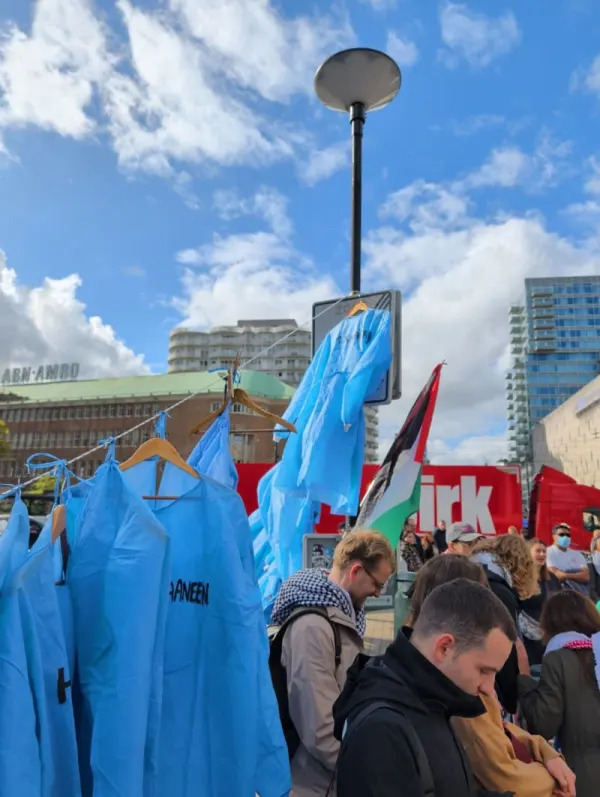
Nota de prensa. 81 batas colgadas ante la Asociación Médica Mundial AMM. ENG ESP
La Asociación Médica Israelí fuera de la AMM. En representación de 81 trabajadores palestinos en cárceles israelíes.
Publicado hace 2 días.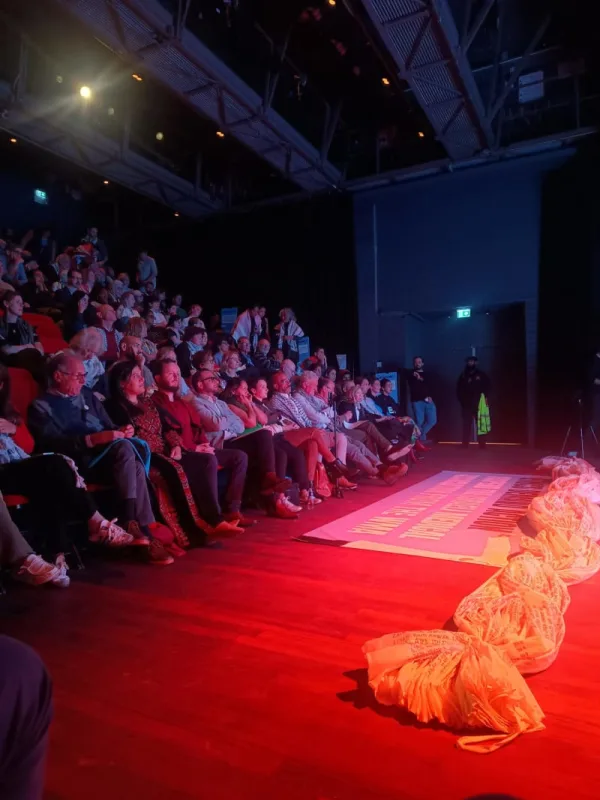
Miles de médicos y profesionales de sanidad piden la expulsión de la Asociación Médica Israelí de la Asociación Médica Israelí. ENG ESP
La Asociación Médica Israelí incumple sus responsabilidades hacia los pacientes palestinos.
Publicado hace 3 días.
Reino Unido. El Real Colegio de Farmacia y el Real Colegio de Enfermería ponen fin al patrocinio de Teva
Por las preocupaciones surgidas por sus actividades
Publicado hace 3 días.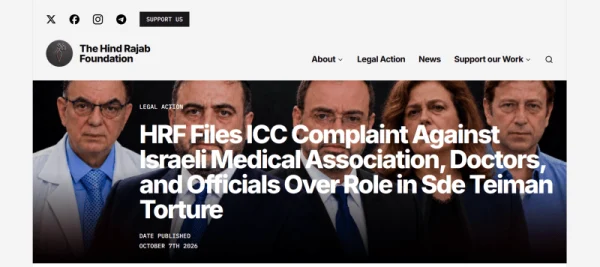
Crímenes de guerra. La Fundación Hind Rajab ante la CPI: implicación de funcionarios del gobierno de Israel y la Asociación Médica. ENG ESP
Muerte, tortura y malos tratos a detenidos palestinos recluidos en el centro de detención de Sde Teiman desde el 7 de octubre de 2023.
Publicado hace 4 días.
ESPAÑA. Boicot a Teva. Resumen. Octubre 2026. Actualización. ENG ESP
Nadie es "inocente", tampoco España.
Publicado hace 6 días.
Vall d'Hebron Institut de Recerca (VHIR), Barcelona, España, y sus conflictos de interés con Teva. Vall d'Hebron Institute of Research (VHIR), Barcelona, Spain, and its conflicts of interest with Teva. ESP ENG
Dinero (de Teva España) e influencia (de Teva Israel). Money (from Teva Spain) and influence (from Teva Israel).
Publicado hace 12 días.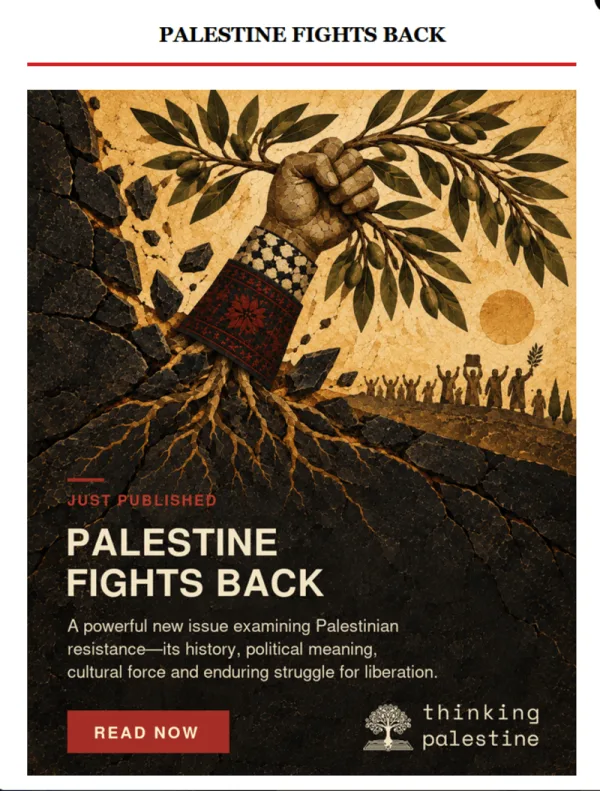
“Resist by all available means—armed resistance, cultural resistance and economic resistance.” «Resistir por todos los medios disponibles: resistencia armada, resistencia cultural y resistencia económica». ENG ESP
Breaking the Taboo: Palestine and Armed Resistance. Sin tabués: la resistencia armada palestina.
Publicado el 17 de septiembre.Ver más / See more
