

Gaza vibra y se alegra: notas finales del bachillerato. Gaza Refuses to Die: Joy Is Also Resistance. Tawjihi. ESP ENG
ESPAÑOL
Gaza se obstina en vivir: la alegría también es resistencia
Julio 24, 2026
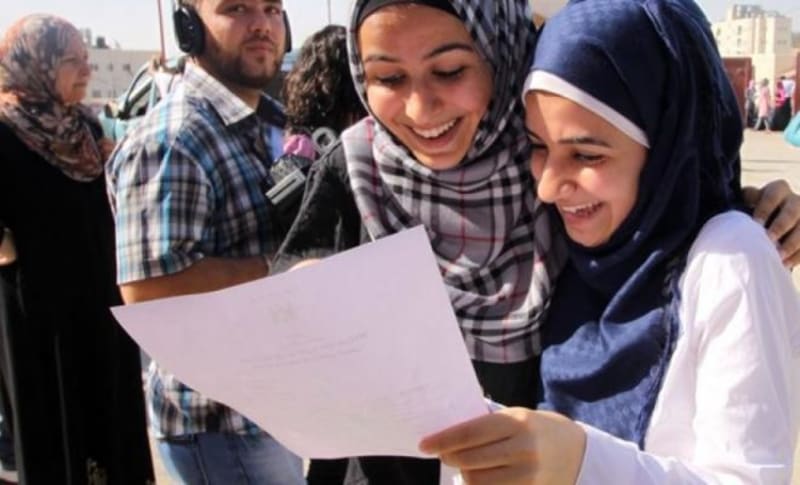
Mientras el genocidio continúa, miles de jóvenes palestinos han conocido hoy sus resultados de bachillerato en Gaza. Entre ausencias, desplazamiento y heridas todavía abiertas, la alegría ha vuelto a entrar en muchas casas de la Franja. Después de estudiar en condiciones inimaginables, chicas y chicos celebran sus notas y vuelven a hablar del mañana. Porque aferrarse a la vida, a los sueños y al futuro también es una forma de resistencia
Hoy, la alegría ha entrado en muchas casas de Gaza. Ha entrado con los resultados del bachillerato, con los nombres de jóvenes que han aprobado, con las notas esperadas durante meses, con abrazos, lágrimas, llamadas y felicitaciones. Durante unas horas, en una Franja herida por el genocidio que continúa, muchas familias palestinas han encontrado un motivo para celebrar.
Puede parecer un acontecimiento pequeño frente a la inmensidad de todo lo que está ocurriendo. No lo es. Porque detrás de cada uno de esos resultados hay jóvenes, chicos y chicas, que han seguido estudiando cuando prácticamente todo a su alrededor parecía conspirar contra la posibilidad misma de hacerlo. Jóvenes que han conocido el desplazamiento, las tiendas de campaña, el hambre, los bombardeos, la destrucción de escuelas y universidades, la pérdida de familiares, compañeros, compañeras y docentes. Jóvenes que han tenido que aprender mientras intentaban sobrevivir. Y, sin embargo, han seguido estudiando.
Hoy esperan sus resultados, comparan notas, reciben felicitaciones, piensan qué quieren estudiar y hablan de universidades y profesiones. Siguen imaginando quiénes quieren ser mañana. Quizá ahí se encuentre una de las imágenes más poderosas de Gaza: una juventud a la que han intentado imponerle únicamente la preocupación por sobrevivir y que, aun así, continúa preparándose para vivir.
Mahmoud Darwish escribió: «Y nosotros amamos la vida siempre que podemos acceder a ella».
En Gaza, ese verso adquiere hoy un significado especialmente profundo. Porque amar la vida cuando todo está dispuesto para hacerla imposible no significa ignorar el dolor.
Las ausencias están presentes.
Hay jóvenes que hoy habrían querido correr hacia una madre, un padre, una hermana o un hermano para enseñarles sus resultados y ya no pueden hacerlo. Hay casas donde la alegría y las lágrimas han entrado juntas. Hay nombres que faltan alrededor de la mesa y abrazos que nadie podrá sustituir.
El genocidio continúa. La herida permanece abierta.
Pero Gaza no es únicamente la imagen que el mundo ha aprendido a contemplar entre ruinas. Gaza también son estos jóvenes. Son las familias preguntando por las notas. Son madres y padres orgullosos de sus hijas y de sus hijos. Son amistades felicitándose. Son quienes buscan la manera de hacer especial un día en medio de circunstancias que no tienen nada de normales. Son chicas y chicos pensando en estudiar medicina, ingeniería, literatura, derecho o cualquier otra carrera cuando tantas de sus universidades han sido destruidas. Y es también una sociedad que aprovecha cualquier instante que la violencia colonial no consigue arrebatarle para volver a reunirse alrededor de la vida.
Porque el pueblo palestino no necesita que nadie le enseñe a celebrar. Lo ha hecho durante generaciones: bodas en tiempos difíciles, nacimientos bajo ocupación, graduaciones después de años de obstáculos, familias reuniéndose después de las cárceles y el exilio. No porque desconozca el dolor, sino precisamente porque lo conoce demasiado bien.
En Gaza, hoy, celebrar una buena nota tiene además una dimensión profundamente colectiva. Cada estudiante que ha conseguido continuar sus estudios representa algo que va mucho más allá de un expediente académico. Representa una posibilidad de futuro. Durante estos años, la destrucción del sistema educativo palestino ha sido inmensa. Escuelas y universidades han sido atacadas o destruidas; estudiantes y docentes han sido asesinados; miles de jóvenes han visto interrumpida su educación. Se ha intentado destruir no solamente el presente de Gaza, sino también las condiciones materiales desde las que pudiera construirse su mañana.
Por eso resulta tan importante mirar hoy a quienes continúan estudiando. No para convertirlos en héroes y heroínas obligados a soportarlo todo. Son jóvenes y tienen derecho a ser simplemente jóvenes. Tienen derecho a preocuparse por una nota, a enfadarse porque esperaban unas décimas más, a abrazar a sus amistades, a celebrar, a enamorarse, a elegir una carrera, a cambiar de opinión, a equivocarse y volver a empezar. Tienen derecho a un futuro que no esté determinado por una bomba, una frontera o una orden militar.
2 de agosto de 2026
En la casa de la familia Musa en Khan Younis, al sur de Gaza, el anuncio de los resultados de los exámenes de bachillerato de este año, el 24 de julio, reflejó un largo camino de determinación para tres hermanos. A pesar del genocidio que se vive en Gaza, Sama, Abdullah y Nada Musa concentraron toda su atención en sus exámenes Tawjihi, una serie de pruebas que deciden el futuro académico de los estudiantes palestinos de bachillerato, para protegerse de las constantes dificultades e incertidumbre. Su inquietud se convirtió en celebración familiar cuando los tres supieron que habían aprobado sus exámenes con excelentes calificaciones.
Sama obtuvo un 97,5 %, Abdullah un 94,6 % y Nada un 94,4 %. Sama Musa, quien obtuvo la calificación más alta entre los hermanos, afirmó que el camino hacia el éxito académico fue «excepcional y difícil». “Gracias a Dios por todo. Esperaba una nota más alta, pero las circunstancias determinaron el resultado que obtuvimos”, declaró a Al Jazeera.
“Incluso psicológicamente, no tenía la energía para continuar, pero superé todas las adversidades para hacer feliz a mi familia y alcanzar la nota con la que había soñado durante años”.
Retos educativos
El camino fue particularmente exigente para Abdullah y Nada, quienes no podían asistir a clases particulares debido a sus discapacidades físicas, por lo que la familia contrató profesores a domicilio. Su madre, Hind Muhanna, afirma que años de dedicación y apoyo fueron clave para que sus hijos obtuvieran notas excepcionales. “Gracias a Dios, trabajamos muy duro por ellos, y hoy estoy cosechando los frutos de su éxito. Nuestros esfuerzos no fueron en vano”, declaró a Al Jazeera.
ENGLISH
In the Musa family home in Khan Younis, southern Gaza, for three siblings, the announcement of this year’s high school examination results on July 24 reflected a long journey of determination.
Despite the ongoing genocide in Gaza, Sama, Abdullah and Nada Musa had focused all their attention on their Tawjihi, a series of exams that decide Palestinian high school students’ academic future, to insulate their futures from incessant hardships and uncertainty.
Their trepidation turned into a family celebration when all three found out that they had passed their exams with flying colours. Sama scored 97.5 percent, Abdullah 94.6 percent, and Nada, 94.4 percent.
Sama Musa, who achieved the highest grade among the siblings, said the path to academic success was “exceptional and difficult”.
“Thank God for everything. I expected a higher grade, but the circumstances determined the result we achieved,” he told Al Jazeera.
“Even psychologically, a person did not have the energy to continue, but I challenged all circumstances so I could make my family happy and achieve the grade I had dreamed of for years.”
Educational challenges
The path was particularly demanding for Abdullah and Nada, who could not attend private lessons due to their physical disabilities, so the family arranged for teachers to come to their home.
Their mother, Hind Muhanna, says years of care and support had played a role in their children achieving exceptional grades. “Thank God, we worked very hard for them, and today I am reaping the fruits of their success. Our efforts did not go to waste,” she told Al Jazeera.
Teaching amid a genocide
Also behind the students’ success were teachers who continued their duties despite the exceptional circumstances.
Hanaa al-Sayed, a mathematics teacher, supported a number of Tawjihi students through classes at an educational centre in Deir el-Balah, central Gaza, amid the destruction wrought by Israel.
Many students arrived at class carrying heavy psychological loads caused by the grief and trauma of losing family members. Her response to the situation was to treat them not just as her students, but also as children, with love and care.
Advertisement
“The students did not only need someone to explain the curriculum; they needed someone to listen to them and stand beside them,” she told Al Jazeera.
“I treated them as if they were my own daughters, trying to support them psychologically before teaching them mathematics.”
Inside the school, which also served as a shelter for displaced people, children sat on mats during lessons.
“There were no desks or chairs. The school was divided between Tawjihi students and displaced people, but despite that, we insisted on continuing education,” she said.
Palestinians have demonstrated a commitment to education despite the difficult circumstances they have faced over the past decades, and the Tawjihi results this year reflect this.
“What I saw from the students was something exceptional. They came to study despite everything around them because they believe education is their path to the future,” Hanaa said.
Some of her students who paused their education before the war have since returned to school.
“There were students who had lost hope of completing their education before the war, but they returned and decided to start again,” Hanaa said. “This reflects the level of determination and desire to achieve their dreams.”

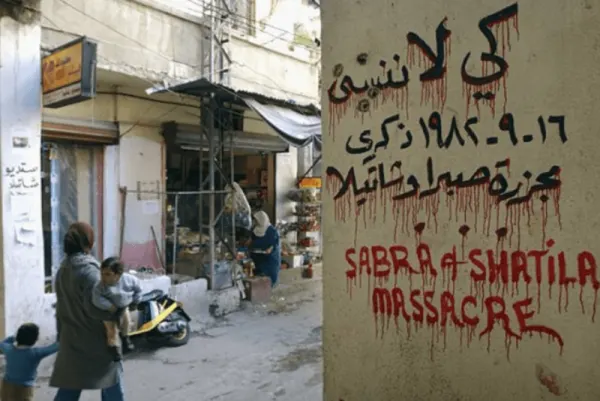
"Moving towards home". June Jordan. 44 years since the Sabra and Sathila massacres. "Camino al hogar"- 44 años desde la masacre de Sabra y Sathila. ENG ESP
Publicado ayer.
Palestine, war of memory. Palestina, memoria de guerra.
Publicado hace 5 días.
Naza ("No other land"), documental, el genocidio de Gaza desde una sala de exterminio con aire acondicionado
Publicado hace 5 días.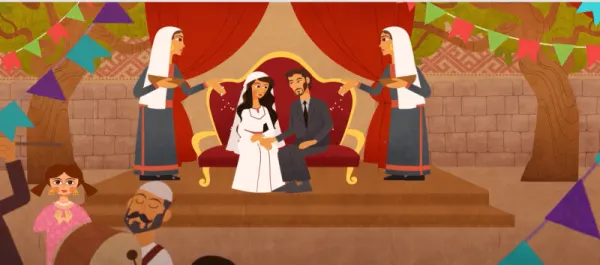
"All we have" Palestinian animation film. "Todo lo que tenemos" dibujos animados palestinos. ENG ESP
Publicado hace 13 días.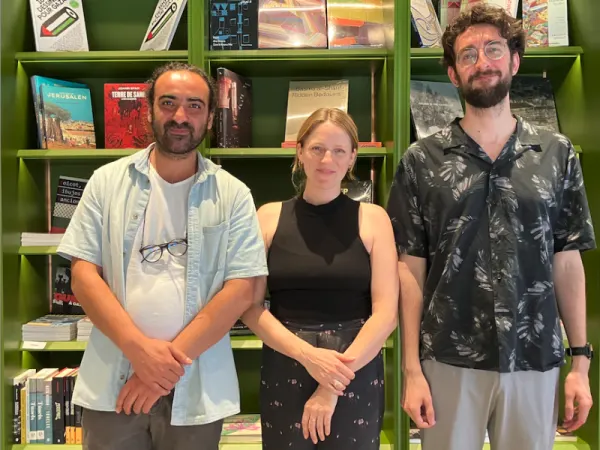
Publishers for Palestine. Cultura de Palestina
Publicado el 25 de agosto.
Ismail Shammout, an Ambassador of Palestinian Identity. Ismail Shammout, embajador de la identidad palestina. ENG ESP
Publicado el 24 de agosto.
Hiba Walid Yassine. Graphic designer. Diseñadora gráfica. Palestinian Heart. Corazón Palestino. ENG ESP
Publicado el 19 de agosto.Ver más / See more
