

Sliman Mansour. Painter. Pintor ESP ENG
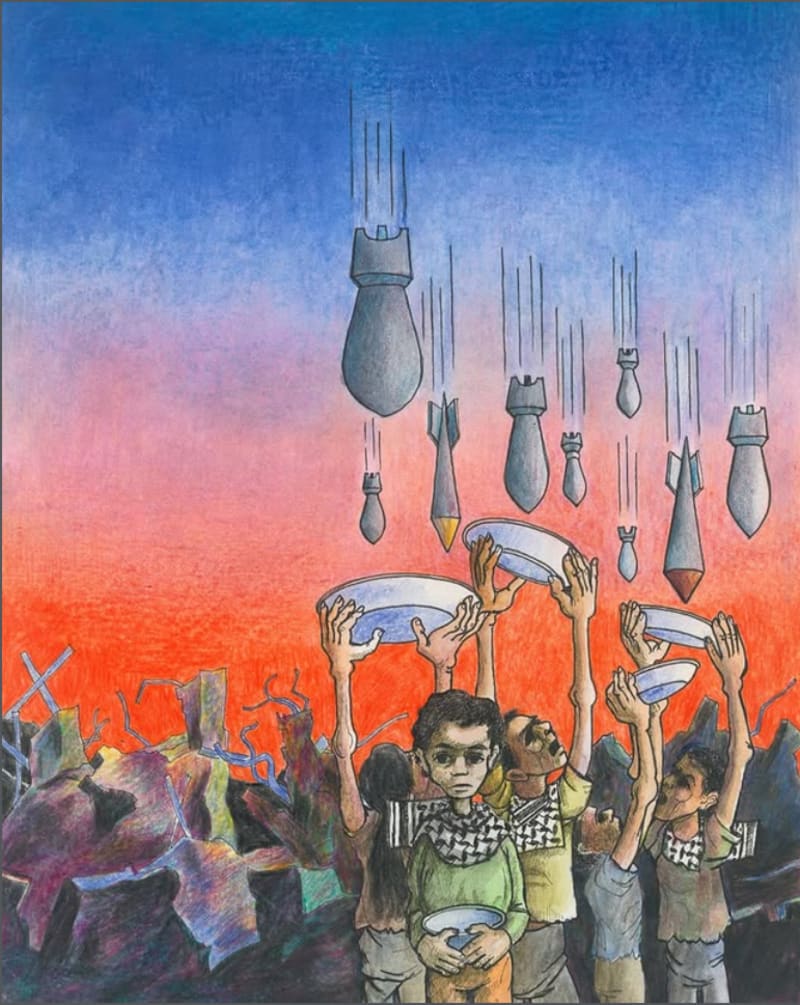
ESPAÑOL
Palestina, 1947
ACTUALIZACIÓN: 25 agosto 2026. A los 79 años. Muere el pintor y escultor palestino Sliman Mansour
Si hay un artista que se considere el padre de la identidad palestina, ese es Sliman Mansour. Nacido en Birzeit, Mansour nació un año antes de la Nakba de 1948, un suceso que marcaría toda su vida y por supuesto, su obra artística, caracterizada por representar la resiliencia del pueblo palestino de la que él ha sido partícipe desde su infancia.
En su adolescencia ya formaba parte de movimientos activistas en pro de los derechos de los palestinos, su herramienta para combatir la opresión ha sido, desde siempre, la pintura. Sliman representa retratos cotidianos que plasman la dificultad de la vida de los palestinos en su propia tierra, alusión que hace a través del uso de colores ocres y materiales como el barro en referencia a su tierra natal. A través de la contemplación de sus obras, el artista invita al espectador a adentrarse en esas vidas que son quebradas por la opresión que sufren día a día.
Desde pequeño ya parecía tener un don en lo que se refiere al dibujo, un pasatiempo que ocupaba parte de sus días con su profesor que le enseñaba pintura, al mismo tiempo que se influenciaba de los libros que encontraba en el ghetto en el que vivía, marcado por el descubrimiento de un libro del artista Diego Rivera. Su estilo realista con toques de expresionismo abstracto y surrealismo muestra su formación académica en Bellas Artes en la Academia Bezalel de Arte y Diseño en Jerusalén. Desde entonces, y con una formación ya establecida, ha dedicado su vida a transformar el panorama artístico árabe palestino, dándole una visión más social.
A través del concepto «Sumud» Sliman representa la fuerza y la identidad del pueblo palestino, un término que alude a la perseverancia de la comunidad desde una perspectiva más bien ideológica y política en lo que se refiere a la resistencia de la ocupación israelí.
«Para mí, sumud significa no olvidar quiénes somos y luchar por nuestra libertad»
En 1973 co-fundó la «League of Palestinian Artists», una organización que promocionaba a artistas locales por primera vez, organizando exposiciones en Ramallah, Nablus, Nazareth e incluso en Gaza. Posteriormente, abrió la Galería 79 en Ramallah, un pequeño espacio que acabó cerrando porque los soldados israelíes se presentaban a las inauguraciones y se llevaban las obras que consideraban no aptas de ser expuestas por su contenido simbólico.
De la misma forma, fue pionero en el uso de la Sandía como símbolo del movimiento palestino, una alegoría a la que artistas como Sliman se agarraron a causa de la censura que estableció la ley israelí en el uso de los colores verde, rojo, negro y blanco por hacer referencia a la bandera palestina, un motivo más por el cual su obra fue prohibida en varias ocasiones.
«Creo en el arte como instrumento social, no como decoración para las casas de la gente rica».
Su influencia ha llegado tan lejos que hoy en día la Sandía es el símbolo de la resistencia palestina a nivel internacional, igual que toda su obra, formando parte de exposiciones colectivas e individuales por todo el mundo. Una voz de la resiliencia palestina a través del arte, una herramienta a través de la cual Sliman tiene fe en que pueda servir para eliminar las fronteras.
ENGLISH
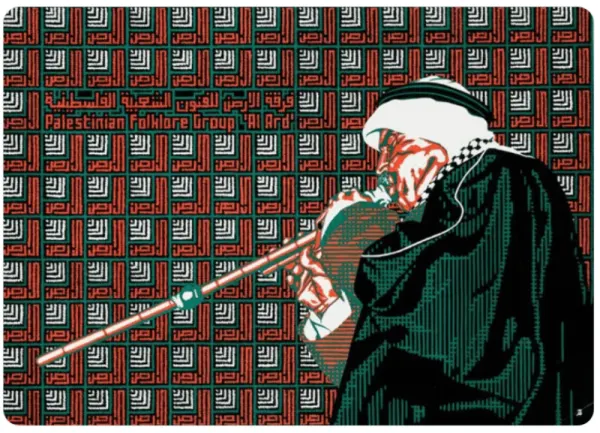
Al Ard — “The Land” — Palestinian folklore group. Al Ard - The Land- La Tierra. Grupo de folklore palestino
Publicado hace 2 días.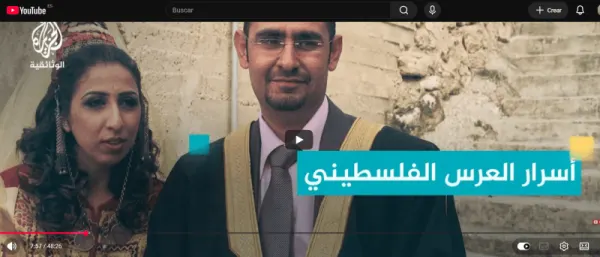
تغاريد عرس فلسطيني.. حكاية تراث لا يموت Preparativos, canciones de boda palestina: Un documental/relato de patrimonio perdurable
Publicado hace 2 días.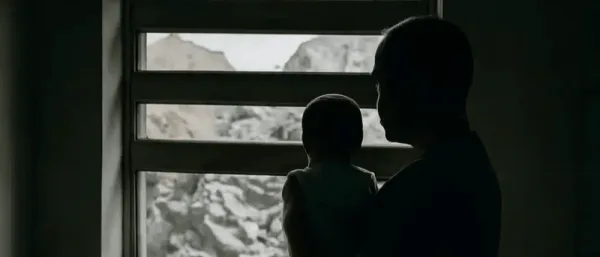
Citizen Osama. Documental
Publicado hace 3 días.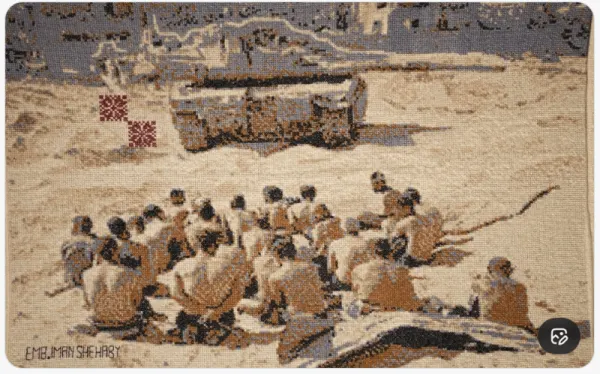
"Gaza. No words" Exhibition Venice. Gaza, sin palabras. Exposición Venecia. ENG ESP
Publicado hace 9 días.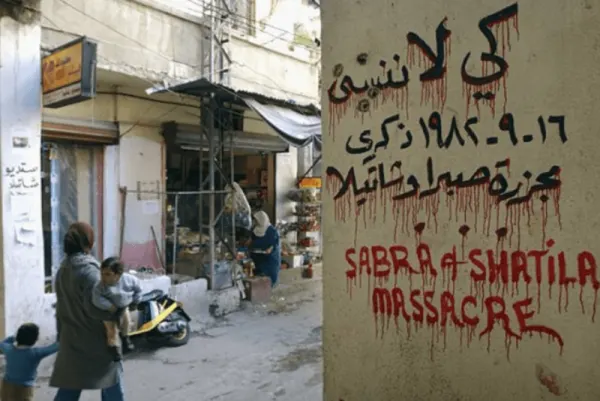
"Moving towards home". June Jordan. 44 years since the Sabra and Sathila massacres. "Camino al hogar"- 44 años desde la masacre de Sabra y Sathila. ENG ESP
Publicado hace 12 días.
Palestine, war of memory. Palestina, memoria de guerra.
Publicado el 11 de septiembre.
Naza ("No other land"), documental, el genocidio de Gaza desde una sala de exterminio con aire acondicionado
Publicado el 11 de septiembre.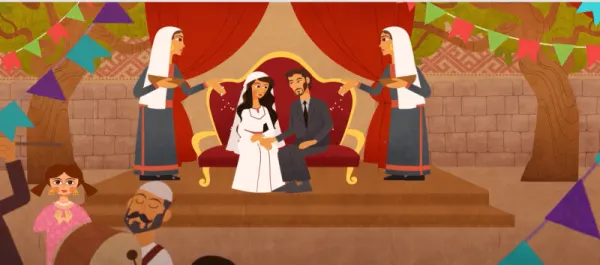
"All we have" Palestinian animation film. "Todo lo que tenemos" dibujos animados palestinos. ENG ESP
Publicado el 3 de septiembre.Ver más / See more
