

Maisara Baroud. I am still alive. Todavía vivo. Cartoons. Dibujos ENG ESP
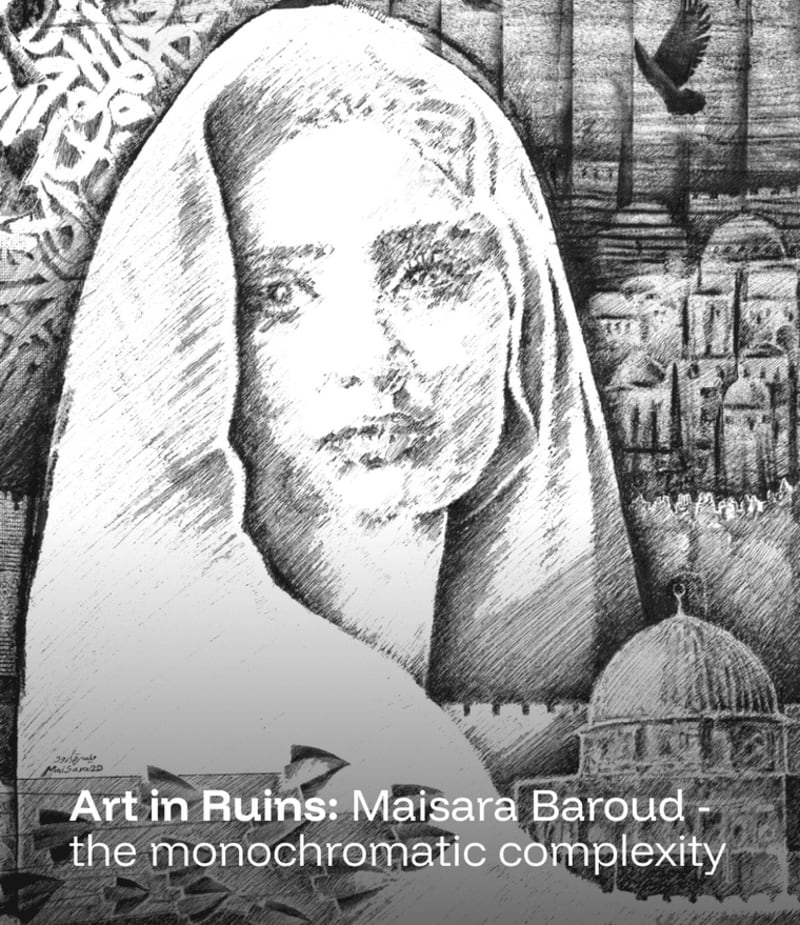
‘Sigo vivo’: El genocidio de Gaza narrado en tinta y papel por el artista palestino Maisara Baroud
Israel y sus aliados estadounidenses y europeos se dedican a un desesperado intento propagandístico para presentar la destrucción de Gaza como una acción de autodefensa y una respuesta justificada al ataque de Hamás del 7 de octubre de 2023, mientras que gran parte del resto del mundo (incluidos los estudiantes universitarios) califica la masacre como lo que es: genocidio. Pero la limpieza étnica de Gaza forma parte de un programa nacional que comenzó en 1948.
En medio de la destrucción de Gaza, el artista Maisara Baroud recurrió al papel y la tinta para documentar el genocidio, capturando el dolor, la supervivencia y la resistencia de su pueblo. Giovanni Vigna 18 de febrero de 2025
“Me mudé durante la guerra, huyendo de la maquinaria de la muerte. Me trasladaron de un lugar a otro, más de quince veces, desde la ciudad de Gaza hasta el centro de la Franja, hacia el sur. Preguntamos a las fuerzas de ocupación israelíes si podíamos salir de la ciudad de Gaza y dirigirnos al sur, pensando que sería más seguro, pero cada vez terminábamos en un pozo de fuego. La muerte se acercaba cada vez más, pero sobrevivimos”.
Estas palabras fueron pronunciadas por Maisara Baroud, artista visual nacido en Gaza y una de las figuras más destacadas de la escena artística de Oriente Medio.
Licenciado en Bellas Artes por la Universidad Nacional An-Najah de Nablus y con un máster en Bellas Artes por la Facultad de Bellas Artes de Zamalek, El Cairo, Maisara ha organizado siete exposiciones individuales y participado en más de cincuenta exposiciones colectivas en países como Palestina, Francia, Estados Unidos, Japón e Italia.
Su última exposición, I Am Still Alive (2024), se presentó en la Galería Zawyeh de Ramallah.
Desde la casa de un familiar en Deir al-Balah, en el centro de la Franja de Gaza, Maisara compartió su historia con The New Arab.
Sobrevivir por casualidad
Al igual que miles de otros gazatíes, Maisara ha perdido a decenas de amigos, familiares, vecinos y colegas a causa del genocidio israelí, que duró más de un año. En sus propias palabras, su supervivencia fue pura casualidad. “Por pura casualidad, mi hora aún no había llegado”, compartió, y añadió: “Esto no tiene nada que ver con mi capacidad para afrontar la muerte ni con mi inteligencia. Simplemente intenté sobrevivir sin rendirme”.
Refiriéndose al arte que creó durante el genocidio, Maisara dijo: “En medio de tanta destrucción y durante un genocidio masivo, era difícil hablar del lujo del arte, la percepción estética o el placer.
“La guerra me obligó a crear algo específico a través de líneas simples. Las formas se volvieron más nítidas, las líneas más rectas, la estructura más directa y el lenguaje visual más condensado”. Con recursos limitados, Maisara utilizó papel económico y bolígrafos para documentar la vida cotidiana en blanco y negro.
“Logré capturar muchos momentos, escenas, emociones y sentimientos en papel en una serie que llamé I Am Still Alive. Publico estos dibujos a diario en redes sociales”.
Para Maisara, la serie "Sigo Vivo" se convirtió en una forma de tranquilizar a sus amigos y hacerles saber que seguía vivo, en medio de circunstancias difíciles y fallos de comunicación causados por el colapso de internet. “Los aviones, cohetes y proyectiles lo destruyeron todo”, explicó Maisara. “El rostro de mi ciudad palideció y se desfiguró. Pero esto no me impidió seguir adelante con mi pasión por el arte con la fuerza y las herramientas que tenía.
“El dibujo se convirtió en mi mensaje para desafiar el asedio, la destrucción masiva, el holocausto y el genocidio”, añadió.
Un testimonio vivo de la masacre
Con la documentación del genocidio, surgen los significados entrelazados y complejos que transmite cada uno de los dibujos de Maisara: dolor, esperanza, desafío, determinación, sed, hambre, desplazamiento, frío, muerte, vida, paciencia y resiliencia. “Estas obras son un mensaje y un testimonio vivo de la masacre, lejos de la propaganda y la retórica oficial. Son un mensaje que trasciende fronteras y barreras”, explicó.
Al decir esto, Maisara recordó algunos de los momentos difíciles del genocidio, compartiendo que el segundo día de la guerra, las bombas destruyeron su estudio privado. Al tercer día, los aviones habían arrasado su casa de cinco pisos.
“Las bombas destruyeron mis sueños, mi producción, mis experiencias artísticas y mi biblioteca personal”, dijo Maisara, visiblemente angustiado. “Estos eventos me trajeron un profundo dolor y una tragedia que me afectó de maneras indescriptibles”.
Sueños convertidos en polvo
Tras el acuerdo de alto el fuego en Gaza, Maisara reveló que, mientras buscaba entre los escombros de la casa de su hermana, encontró accidentalmente algunas de sus obras, pero no pudo salvar ninguna de sus pertenencias ni los dibujos que había dejado en su propia casa.
Al compartir esto, Maisara reflexionó sobre si el miedo había dado paso a la esperanza tras el alto el fuego, y respondió: “El miedo persistirá hasta que la guerra termine de verdad. No debemos dejarnos llevar demasiado por la esperanza hasta que haya una voluntad colectiva para detener esta máquina de muerte”.
“Siguen sonando los tambores de guerra”.
 Available in
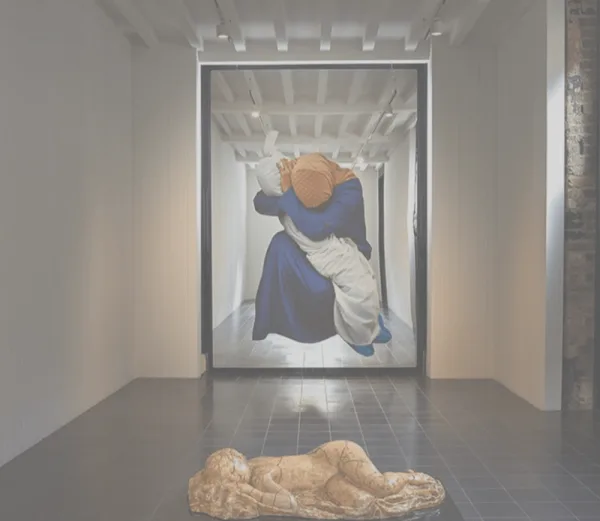
 Gaza. Arte. Exposición en Londres. Gaza. Art. Exhibition in London. ESPAÑOL ENGLISH
Publicado ayer.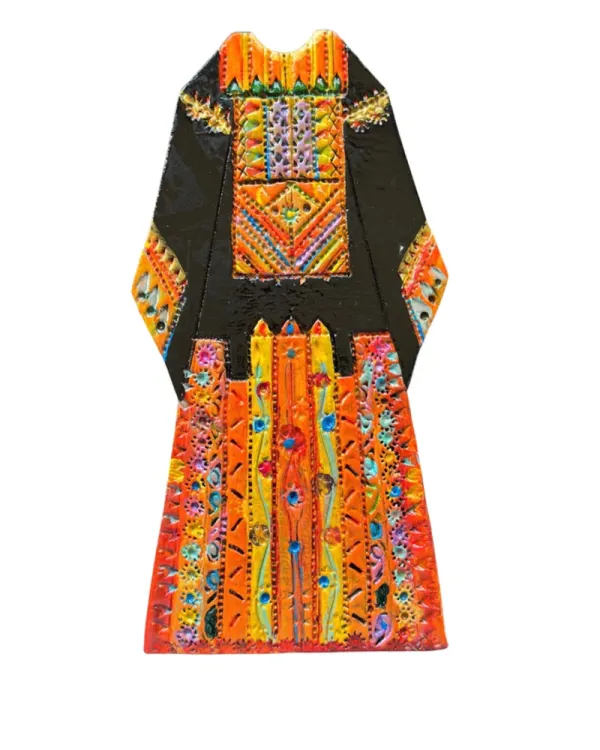
Shatha Safi, artista visual.
Publicado hace 2 días.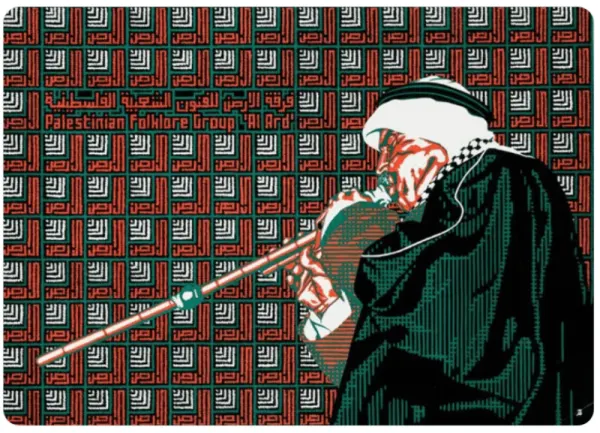 Available in
 Al Ard — “The Land” — Palestinian folklore group. Al Ard - The Land- La Tierra. Grupo de folklore palestino
Publicado el 25 de septiembre.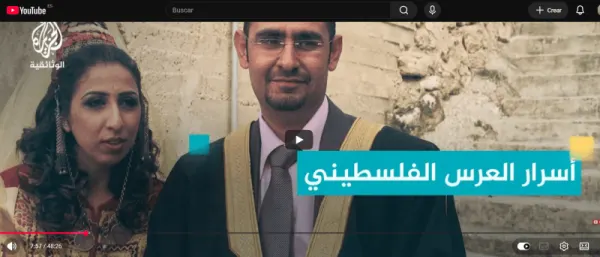
تغاريد عرس فلسطيني.. حكاية تراث لا يموت Preparativos, canciones de boda palestina: Un documental/relato de patrimonio perdurable
Publicado el 25 de septiembre.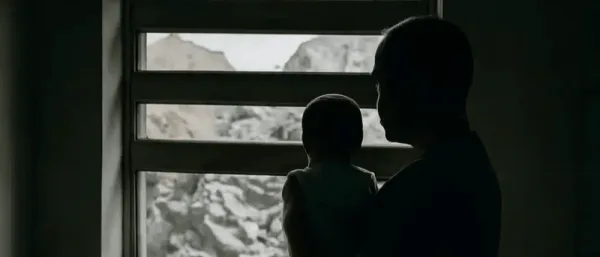
Citizen Osama. Documental
Publicado el 24 de septiembre.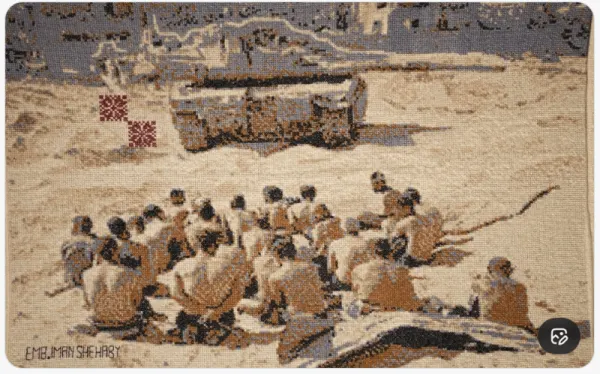 Available in
 "Gaza. No words" Exhibition Venice. Gaza, sin palabras. Exposición Venecia. ENG ESP
Publicado el 18 de septiembre.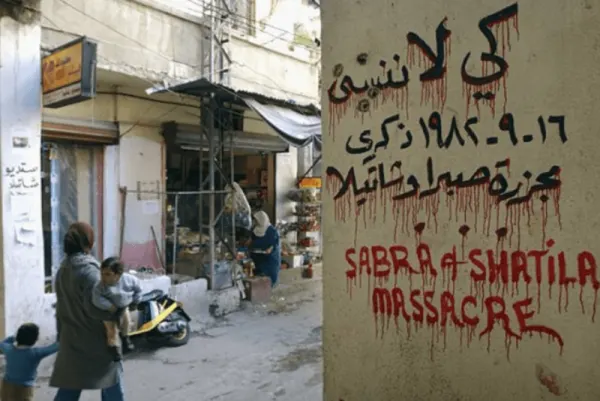 Available in
 "Moving towards home". June Jordan. 44 years since the Sabra and Sathila massacres. "Camino al hogar"- 44 años desde la masacre de Sabra y Sathila. ENG ESP
Publicado el 15 de septiembre. Available in
 Palestine, war of memory. Palestina, memoria de guerra.
Publicado el 11 de septiembre.Ver más / See more
