

Bassel al-Araj. "I Have Found My Answers". Essay. "He encontrado mis respuestas". Ensayo. ENG ESP

"He encontrado mis respuestas": Bassel al-Araj.
Este ensayo es del escritor, profesor y activista palestino Bassel al-Araj, de su libro "He encontrado mis respuestas" (وجدت أجوبتي), que se publicó póstumamente en 2018.
Sobre el autor
En 2011, Bassel al-Araj fue arrestado junto con otros cinco "Viajeros de la Libertad" palestinos por subir a un autobús exclusivo para colonos que se dirigía a Jerusalén Oriental ocupada para desafiar las políticas de apartheid de Israel.
Fue arrestado por la Autoridad Palestina en 2016, acusado de planear atentados contra Israel.
Fue liberado después de varios meses, tras lo cual las fuerzas israelíes lo rastrearon y lo rodearon en un apartamento donde participó en un tiroteo de dos horas. Murió tras quedarse sin munición.
Algunos activistas palestinos se refieren a él como "el mártir educado" o "el comprometido educado" (المثقّف المُشتَبِك).
Se le conoce por haber dicho: «Si quieres ser educado, tienes que ser un comprometido educado. Si no estás dispuesto a involucrarte, tú y tu educación no sirven de nada». (إذا بدك تصير مثقف لازم تصير مثقف مشتبك، وإذا بدكاش تشتبك ما في فايدة منك ولا من ثقافتك)
Si quieres saber más: Liberación, asombro y la «magia del mundo»: He encontrado mis respuestas de Basel al-Araj
Vive como un puercoespín y lucha como una pulga
En 1895, el psicólogo James Mark Baldwin utilizó el término "adaptación social" para referirse a una adaptación biológica mediante la cual se crea un equilibrio social como forma de ajuste a las condiciones del entorno.
La "adaptación social" se define generalmente como un proceso social que busca reducir o evitar el conflicto. Es un proceso de conformidad social que conduce a la finalización del conflicto entre grupos, ya que refuerza la interacción pacífica, ya sea temporal o permanente. En cuanto a los aspectos psicológicos de la acomodación social, se refiere a cómo los individuos y los grupos responden al conflicto evitando toda forma de hostilidad. Se otorgan compensaciones económicas, sociales y psicológicas a uno de los grupos minoritarios.
Los sociólogos diferencian entre "adaptación" y "acomodación", donde "adaptación" se utiliza cuando las condiciones del entorno son naturales u orgánicas. La acomodación puede lograrse mediante varios medios: coerción, arbitraje, acuerdo o incluso la capacidad de perseverancia.
Posteriormente, Ernst Haeckel utilizó el término "ecología" para referirse a la relación entre el organismo y su entorno, orgánico e inorgánico. La ecología estudia las relaciones de interdependencia entre los organismos y su entorno. Desconozco cuándo ni por qué se desarrolló una extraña relación entre los palestinos (me refiero en general a la población del Levante, no solo a la Palestina del Mandato) y el puercoespín. ¿Se debió al deseo de cazar estos puercoespines, con su deliciosa carne y a los mitos sobre sus propiedades terapéuticas y la virilidad que otorga, o estuvo relacionada con la destrucción de las cosechas de los campesinos por parte del puercoespín?
El puercoespín crestado indio (النيص) es un mamífero roedor, estrechamente emparentado con el erizo, pero de mayor tamaño. Tiene varios nombres comunes. En árabe estándar se le conoce como al-shayham (الشيهم), y su nombre científico es "Hystrix indica". Posee púas cortas y largas, de entre 10 y 35 centímetros, que utiliza para defenderse. Pesa entre 4 y 16 kilogramos. (Su carne es muy sabrosa, y recomiendo no perdérsela si tienen oportunidad).
El puercoespín es un animal nocturno que vive en una madriguera subterránea. La madriguera es relativamente grande y cuenta con numerosos túneles largos con entradas y salidas, y lo que parecen ser lugares de descanso. Para entrar y salir de la madriguera, el puercoespín utiliza varias rutas específicas y determinadas, como si estuvieran cuidadosamente planificadas. Posee una extraña sensación de paranoia, o lo que los palestinos llamamos "sentido de seguridad". (Uno de los principales investigadores que estudió al puercoespín fue S. H. Prater).
Las especies que se encuentran en nuestras tierras son estrictamente herbívoras y se alimentan principalmente de coloquíntida (الحنظل) [también conocida como melón de Abu Yahl, manzana amarga y pepino amargo]. No se recomienda dispararle durante la caza, ya que su bazo e hígado podrían reventar, lo que le da a su carne un sabor muy amargo.
El puercoespín tiene una fuerte presencia en la memoria y las historias populares palestinas.
En Palestina, los campesinos han tejido innumerables historias en torno a él, describiéndolo como una extraña criatura que llora y se lamenta y, al igual que los seres humanos, tiene deseos y esperanzas. Al igual que nosotros, cuando un puercoespín se enoja, lanza las púas que lleva en el cuello y la espalda al enemigo, dándole con precisión. Por la noche, deambula solo, lenta y meditativamente, y se siente atraído por los olores, las frutas y las raíces. Es un ser reservado y silencioso, pero también llorón. Es un ser solitario y único. Su dolor es profundo y sus rencores, aún más profundos, al igual que su cazador.
Aprender el comportamiento de tu presa es la primera lección en la caza.
Los palestinos observaban de cerca a estos puercoespines y aprendieron todo sobre ellos. (En mi vida, he participado en dos expediciones de caza de puercoespines y tuvimos la suerte de conseguir una abundante captura que no compartimos con nadie).
El cazador necesita adaptarse (y no acomodarse) a la vida y el comportamiento de su presa para poder atraparla. Pero lo que ocurrió es que el palestino adoptó tan completamente los rasgos y tendencias del puercoespín, especialmente cuando estaba en peligro, que terminó viviendo como un puercoespín.
En una festividad de Eid al-Adha, mi familia sacrificó cinco ovejas y me permitieron sacrificar algunas y ayudar a despellejar y cortar la carne. Las ovejas estaban infestadas de pulgas que me atacaban. Intenté muchas veces matar una pulga en mi cuerpo sin éxito. El único resultado de mis intentos fue que me cansé y me volví paranoico. Lo único que me ayudó fue darme un baño completo y minucioso, peinándome el cuerpo con agua caliente y jabón, lo que resultó en una victoria decisiva.
La pulga es un pequeño insecto no volador de la especie "Siphonaptera". Vive principalmente como parásito de un huésped, a menudo un mamífero. Mide entre 1 y 4 milímetros y se desplaza saltando con sus dos largas patas traseras. Pica a su huésped y las picaduras dejan manchas rojas ligeramente elevadas que pican mucho.
La pulga posee una estrategia de combate impresionante y tácticas y técnicas fascinantes. Pica y salta, luego reanuda la picadura y evita hábilmente la mano o el pie que intenta aplastarla. No busca matar a su oponente (en el sentido de eliminar por completo el sistema enemigo, por ejemplo, un perro), sino agotarlo, alimentarse de él, perturbarlo y provocarlo, impidiéndole descansar y dañando sus nervios y su moral. Para lograrlo, la pulga necesita tiempo para reproducirse. Lo que comienza como una infección localizada se convertirá en una epidemia generalizada a medida que las pulgas se multiplican y pican en zonas cada vez más cercanas.
Mao Zedong dijo: “Cuando el enemigo avanza, nos retiramos. Cuando acampa, lo hostigamos. Cuando está cansado, atacamos. Cuando se retira, lo perseguimos”. La teoría de Zedong sobre la guerra de guerrillas se asemeja a lo que podría describirse como una “guerra de pulgas”.
Mao resolvió el dilema: “¿Cómo puede una nación no industrializada derrotar a una nación industrializada?”. [Friedrich] Engels consideraba que la nación con más capital era más capaz de derrotar a sus enemigos. Pensaba que el poder económico es lo que determina el resultado de las batallas: puede proporcionar el capital necesario para fabricar armas.
La solución de Mao enfatizó los elementos intangibles. Las naciones poderosas con grandes ejércitos suelen centrarse en elementos tangibles como las armas, la logística y el número de soldados; sin embargo, Mao, según [Edward L.] Katzenbach, se centró en los elementos de tiempo, espacio y voluntad.
Volviendo a la cita anterior de Mao, evitó la batalla cediendo territorio y, al hacerlo, intercambió espacio por tiempo y utilizó el tiempo para cultivar la voluntad. Esta es la esencia de la guerra de guerrillas.
Volviendo a nuestra analogía, las fuerzas guerrilleras participan en la guerra exactamente como las pulgas. El enemigo, poderoso y altamente organizado, sufre las mismas vulnerabilidades y debilidades que el anfitrión con pulgas: tiene una gran área que defender de un enemigo muy pequeño y móvil, disperso por todas partes y difícil de capturar. Si la batalla dura lo suficiente, el anfitrión acabará desplomándose en el campo de batalla por fatiga y pérdida de sangre, sin haber encontrado a nadie a quien atacar.
Robert Taber lo explica así: «En la práctica, el perro (o el anfitrión) no muere de anemia. Simplemente se debilita demasiado —militarmente, está sobreexigido; políticamente, es demasiado impopular; económicamente, demasiado costoso— para defenderse. En ese punto, la pulga se habría multiplicado hasta convertirse en una verdadera plaga de pulgas a través de una larga serie de pequeñas victorias, cada una de las cuales derrama su propia gota de sangre».
¡Así que vive como un puercoespín y lucha como una pulga!

 Available in
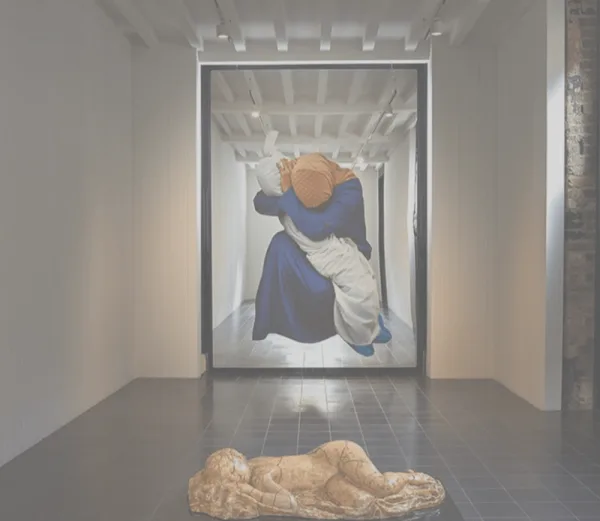
 Gaza. Arte. Exposición en Londres. Gaza. Art. Exhibition in London. ESPAÑOL ENGLISH
Publicado hace 2 días.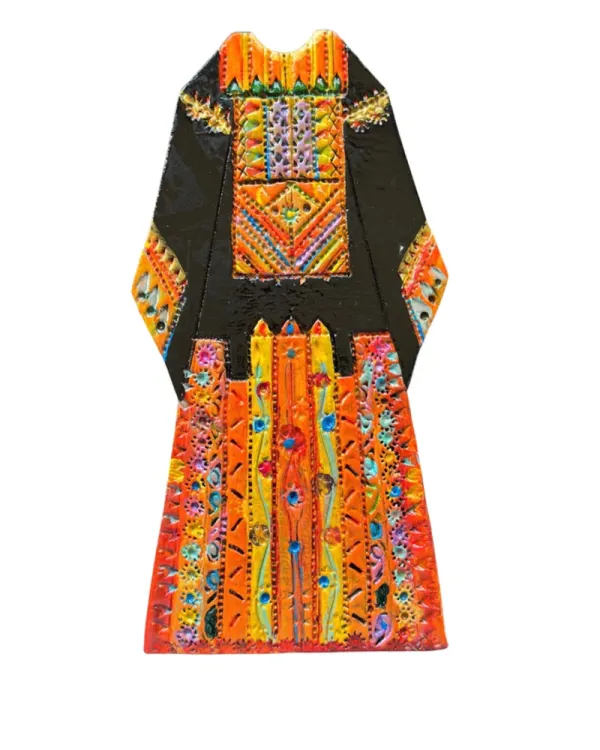
Shatha Safi, artista visual.
Publicado hace 2 días.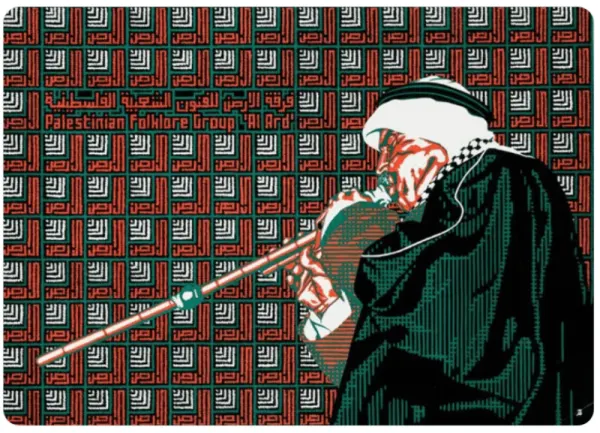 Available in
 Al Ard — “The Land” — Palestinian folklore group. Al Ard - The Land- La Tierra. Grupo de folklore palestino
Publicado el 25 de septiembre.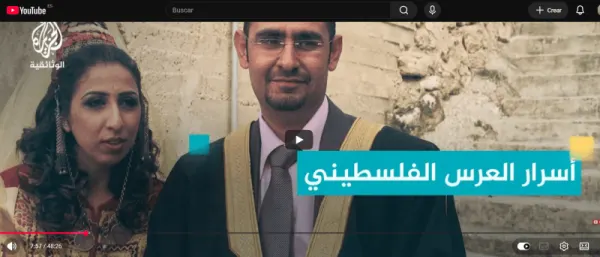
تغاريد عرس فلسطيني.. حكاية تراث لا يموت Preparativos, canciones de boda palestina: Un documental/relato de patrimonio perdurable
Publicado el 25 de septiembre.
Citizen Osama. Documental
Publicado el 24 de septiembre.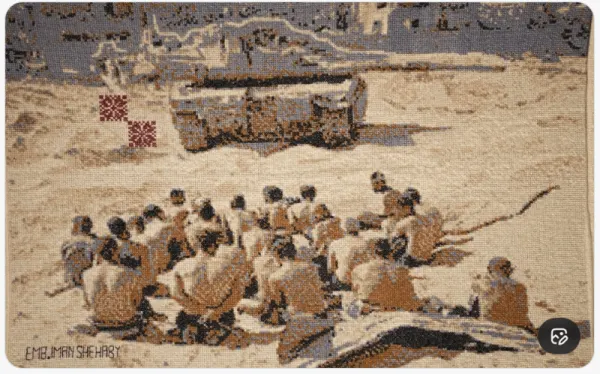 Available in
 "Gaza. No words" Exhibition Venice. Gaza, sin palabras. Exposición Venecia. ENG ESP
Publicado el 18 de septiembre.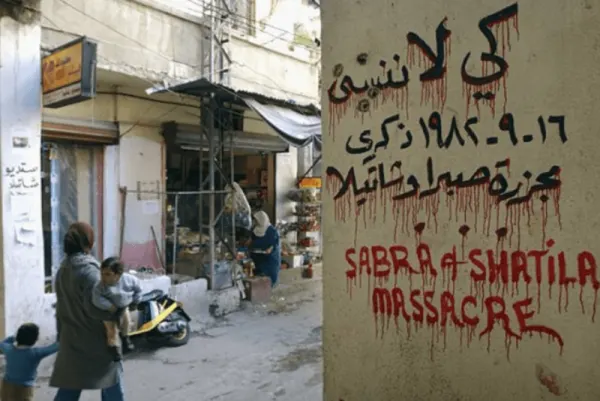 Available in
 "Moving towards home". June Jordan. 44 years since the Sabra and Sathila massacres. "Camino al hogar"- 44 años desde la masacre de Sabra y Sathila. ENG ESP
Publicado el 15 de septiembre. Available in
 Palestine, war of memory. Palestina, memoria de guerra.
Publicado el 11 de septiembre.Ver más / See more
