

Documentary. Book. Documental. Libro "The Palestine Laboratory". "El laboratorio palestino". Antony Loewenstein
ENGLISH
The Palestine Laboratory. Documentary
Episode 1
Uncovering how Israel profits from surveillance technologies using occupied Palestinian territories as a testing ground.
Israel punches way above its weight when it comes to arms sales. The 97th country by population, it is the ninth largest arms dealer in the world with a $13bn military-industrial complex.
"Plenty of countries sell weapons," says award-winning journalist Antony Loewenstein, "but what makes Israel's industry unique is the mix of weapons, surveillance technology and architectural techniques that combine to create a comprehensive system for controlling 'difficult' populations and are based on years of experience in Palestine."
In this two-part series, Loewenstein goes on a journey to investigate how these weapons and surveillance technologies are used to control and repress Palestinians in Palestine before being sold all over the world.
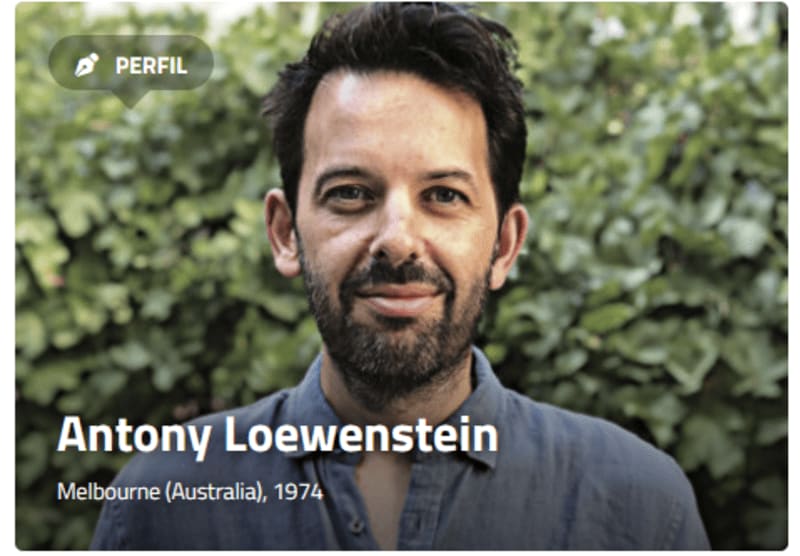
Antony Loewenstein is a Jewish, Australian journalist and author who for more than 20 years has written unflinchingly about Israel and its relationship with the Palestinians, even though it has often put him at odds with many in the Jewish diaspora and Israel.
In Episode 1, Loewenstein returns to Israel to investigate how cutting-edge military and surveillance technology is being used on Palestinians in the occupied West Bank and the Gaza Strip, before being marketed to international clients as "field-proven" and "battle-tested".
Hearing from Palestinians and Israelis, he uncovers how a pipeline of personnel and research from the Israeli army feeds into semi-private arms companies which form a crucial part of Israel's exports to the world. He also investigates the Israeli army's use of targeting systems that utilise artificial intelligence during the Gaza war after October 7, 2023.
In Episode 2 of "The Palestine Laboratory", journalist and author Antony Loewenstein investigates how surveillance and military technology developed by Israel and tested on Palestinians is marketed abroad. He finds out how the latest Israeli technology is being used to monitor refugees and migrants in Greece and along the US-Mexico border.
Loewenstein visits Mexico to explore its use of Israeli spyware and travels to India to find out how a thriving arms trade is fostering close links between the two nations. In South Africa, he uncovers a hidden aspect of the country's history which saw a secret relationship between the apartheid-era government and Israel centred on a clandestine arms trade and shared values.
What he reveals is a picture of how the "technology of occupation" developed on Palestinians is also used to subjugate people and surveil political dissidents, human rights defenders and journalists all over the world.
Loewenstein concludes by asking if the countries buying these systems are actually looking for more than just another weapon, but instead buying into a wider ideology of the separation and control of "unwanted" populations, be they protesting farmers, political dissidents, or refugees.
The Palestine Laboratory
The book (The Palestine Laboratory How Israel Exports the Technology of Occupation Around the World) by Antony Loewenstein 2023
Key Takeaways
1. Israel's "Palestine Laboratory" Exports Occupation Technology Globally
Israel has developed a world-class weapons industry with equipment conveniently tested on occupied Palestinians, then marketed as “battle-tested.”
The Palestine Laboratory. Israel leverages its occupation of Palestinian territories as a testing ground for weapons, surveillance technologies, and control tactics, which are then marketed globally. This "battle-tested" label becomes a unique selling point for Israeli security companies.
Commercializing Ethnonationalism. Israel's success lies in commercializing its ethnonationalist model, appealing to countries seeking to emulate its methods of control and separation. This involves selling not just arms and technology, but also the ideology of racial supremacy and the myth of Israeli self-reliance.
Global Reach. The Palestine Laboratory is a signature Israeli selling point. This advantage has been a long time in the making. Despite floundering militarily in Lebanon, Israel used the war as a selling point for its weaponry and tactics. Its propaganda offered an attractive elixir to nations that bought the illusion that the Jewish state could help them with their own internal problems.
2. Historical Complicity: Israel's Troubled Alliances with Despotic Regimes
I don’t care what the Gentiles do with the arms. The main thing is that the Jews profit.
Early Arms Trade. From its inception, Israel has engaged in arms sales with disreputable regimes, prioritizing economic gain and strategic alliances over human rights concerns. This includes supporting dictatorships in Latin America, Africa, and Asia.
Examples of Collusion:
Chile: Israel aided Pinochet's regime with arms after a US embargo.
South Africa: Israel maintained close ties with the apartheid regime, even offering nuclear weapons.
Guatemala: Israel supported the genocidal Ríos Montt regime, providing military advisors and equipment.
Lack of Accountability. Israel's refusal to fully disclose its role in past atrocities and its continued support for repressive governments demonstrate a consistent pattern of prioritizing its own interests over ethical considerations.
3. 9/11 Turbocharged Israel's Defense Sector and the "War on Terror"
We have been fighting a War on Terror since our birth. We’ll show you how it’s done.
Capitalizing on Fear. The September 11 attacks provided Israel with a unique opportunity to market its "expertise" in counterterrorism and homeland security. This led to a surge in demand for Israeli weapons, surveillance equipment, and security training.
Start-Up Nation Narrative. Israel successfully spun its economic resilience and technological innovation into a narrative of self-determination, attracting global investment and admiration. This narrative often glosses over the ethical implications of its defense industry.
Global Impact. The "war on terror" has normalized and legitimized Israel's occupation policies, making its methods of control and domination more palatable to a global audience. This has strengthened Israel's position as a key player in the international security landscape.
4. Privatization of Occupation: Profiting from Palestinian Control
The Palestine laboratory is a signature Israeli selling point.
Outsourcing Control. Israel increasingly outsources aspects of the occupation to private companies, from security at checkpoints to surveillance of Palestinian populations. This allows the state to distance itself from direct responsibility for human rights abuses.
Monetizing Expertise. Israeli corporations showcase their experience in controlling Palestinians as a valuable asset for other countries facing similar challenges. This includes selling surveillance technology, border security systems, and crowd management techniques.
Erosion of Accountability. The privatization of the occupation further obscures lines of responsibility, making it more difficult to hold Israel accountable for its actions in the occupied territories. This also normalizes the idea of profiting from the oppression of others.
5. Separatism and Control: The Appeal of Israel's Model
The driving forces of this [defense] industry is that they want the conflict with the Palestinians to go forever.
The Allure of Separation. Israel's policy of separating Israelis and Palestinians, through walls, checkpoints, and segregated infrastructure, has become an attractive model for other countries seeking to manage unwanted populations. This includes the construction of barriers along borders and the implementation of strict immigration controls.
Gaza as a Laboratory. The Gaza Strip, with its high fences, constant surveillance, and restricted borders, serves as a testing ground for Israeli methods of control. This model is increasingly replicated in other parts of the world.
Erosion of Democracy. The pursuit of ethnonationalist goals often comes at the ex
pense of democratic values, as governments prioritize security and control over individual rights and freedoms. This can lead to the erosion of civil liberties and the rise of authoritarianism.
6. Social Media's Role in Silencing Palestinian Voices
We feel social media is the only way left to get attention. Every post, tweet, video makes a difference. This is how we reach out to the masses of decent people and governments around the world.
Censorship and Bias. Social media platforms, despite claims of neutrality, often censor or suppress Palestinian voices, while allowing hate speech and incitement against Arabs to flourish. This reflects a systemic bias and a lack of understanding of the Palestinian experience.
Weaponizing Trauma. Israel effectively uses social media to weaponize Jewish trauma, portraying itself as a victim of terrorism and delegitimizing Palestinian resistance. This narrative resonates with Western audiences and reinforces support for Israeli policies.
Digital Occupation. The online world has become another battleground in the Israeli-Palestinian conflict, with surveillance, censorship, and disinformation used to control and suppress Palestinian expression. This further entrenches the occupation and limits Palestinians' ability to share their stories with the world.
7. The Enduring Appeal of Ethnonationalism and Security Expertise
We always hear here that we’re the only democracy in the Middle East. But you drive a few miles down the road and Palestinians don’t have the same rights.
Ethnonationalism as a Model. Israel's success in building a Jewish-majority state, often at the expense of Palestinian rights, has made it an appealing model for other ethnonationalist movements around the world. This includes groups seeking to prioritize one ethnic or religious group over others.
Security Expertise as a Commodity. Israel's decades of experience in counterinsurgency and border control have made its security expertise highly sought after by governments facing internal unrest or external threats. This has led to the proliferation of Israeli methods of control and repression around the world.
Moral Compromises. The pursuit of ethnonationalist goals often requires making moral compromises, including alliances with authoritarian regimes and the suppression of dissent. This can lead to a gradual erosion of democratic values and a normalization of violence.
8. The US-Mexico Border: Another Testing Ground for Israeli Technology
The Black and Palestinian struggles for liberation are interconnected, and we will not let up until all of us are free.
Militarizing Borders. The US-Mexico border has become a major site for the deployment of Israeli surveillance technology and security systems. This includes the construction of walls, the use of drones, and the implementation of biometric identification systems.
Learning from the Occupation. US law enforcement agencies have long sought training and expertise from Israeli security forces, learning tactics and strategies for controlling and suppressing unwanted populations. This has led to the "Israelification" of US security practices.
Human Cost. The militarization of the US-Mexico border has resulted in increased violence, human rights abuses, and migrant deaths. This highlights the dangers of applying Israeli methods of control in other contexts.
9. Unit 8200: The Ethical Dilemma of Cyber Warfare Expertise
The world is listening. Israeli arms sales in 2021 were the highest on record, surging 55 percent over the previous two years to US$11.3 billion.
Elite Intelligence Unit. Unit 8200, Israel's elite intelligence unit, plays a key role in developing and deploying cyber weapons and surveillance technologies. Its veterans often go on to found successful tech companies, further fueling the growth of Israel's defense sector.
Ethical Concerns. The unit's activities raise serious ethical questions about the use of surveillance technology, the targeting of civilians, and the potential for abuse. These concerns are often downplayed or ignored in the pursuit of national security.
Global Impact. The expertise gained in Unit 8200 is exported around the world, as its veterans develop and sell surveillance tools to governments and corporations. This has led to the proliferation of powerful technologies that can be used to suppress dissent and violate human rights.
10. The World is Becoming More Like Israel
The world is listening. Israeli arms sales in 2021 were the highest on record, surging 55 percent over the previous two years to US$11.3 billion.
A Model for the Future. Israel's success in building a strong, self-reliant state, often through the use of force and the suppression of dissent, has made it an appealing model for other nations seeking to assert their power and control. This includes countries in Europe, Asia, and Latin America.
The Erosion of Democracy. The adoption of Israeli methods of control and separation often comes at the expense of democratic values, as governments prioritize security and ethnonationalism over individual rights and freedoms. This can lead to a more authoritarian and repressive world.
The Need for Resistance. To counter this trend, it is essential to challenge the normalization of Israeli policies and to promote alternative models of governance based on equality, justice, and human rights. This requires a global movement that recognizes the interconnectedness of struggles for liberation and stands in solidarity with all those who are oppressed
Author: Antony Loewenstein is an independent journalist, author, and filmmaker known for his investigative work on global issues. He has written for major publications like The Guardian and The New York Times, and authored several books including The Palestine Laboratory and Disaster Capitalism. Loewenstein's work often focuses on human rights, conflict, and political corruption. He has produced documentaries on topics such as the opioid crisis in West Africa and the impact of Covid-19. Based in East Jerusalem from 2016-2020, Loewenstein brings firsthand experience to his reporting on Middle Eastern affairs. He is also a co-founder of Declassified Australia, an independent media organization.
ESPAÑOL
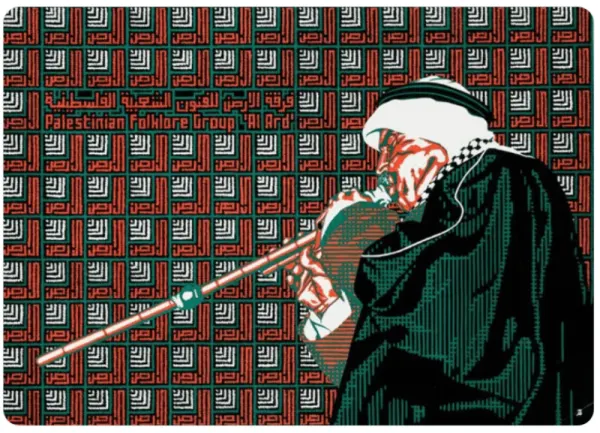
Al Ard — “The Land” — Palestinian folklore group. Al Ard - The Land- La Tierra. Grupo de folklore palestino
Publicado hace 14 días.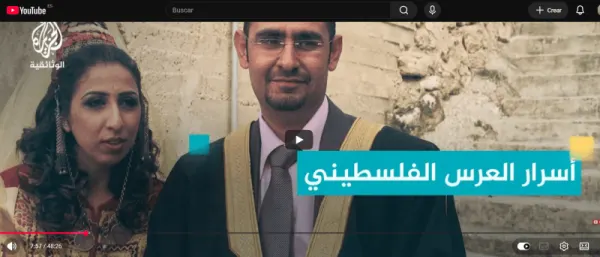
تغاريد عرس فلسطيني.. حكاية تراث لا يموت Preparativos, canciones de boda palestina: Un documental/relato de patrimonio perdurable
Publicado hace 14 días.
Citizen Osama. Documental
Publicado el 24 de septiembre.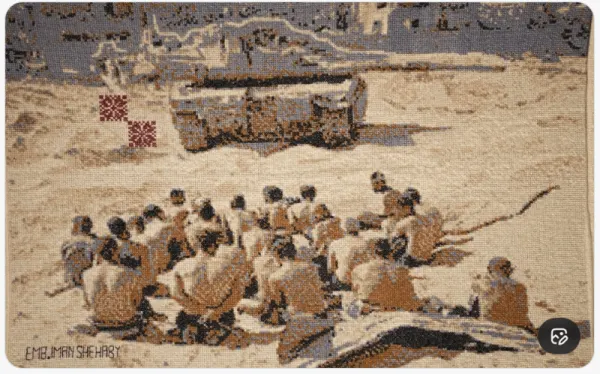
"Gaza. No words" Exhibition Venice. Gaza, sin palabras. Exposición Venecia. ENG ESP
Publicado el 18 de septiembre.
"Moving towards home". June Jordan. 44 years since the Sabra and Sathila massacres. "Camino al hogar"- 44 años desde la masacre de Sabra y Sathila. ENG ESP
Publicado el 15 de septiembre.
Palestine, war of memory. Palestina, memoria de guerra.
Publicado el 11 de septiembre.
Naza ("No other land"), documental, el genocidio de Gaza desde una sala de exterminio con aire acondicionado
Publicado el 11 de septiembre.
"All we have" Palestinian animation film. "Todo lo que tenemos" dibujos animados palestinos. ENG ESP
Publicado el 3 de septiembre.Ver más / See more
