

Documental "Bye bye Tiberias" Lina Soualem. ENG ESP
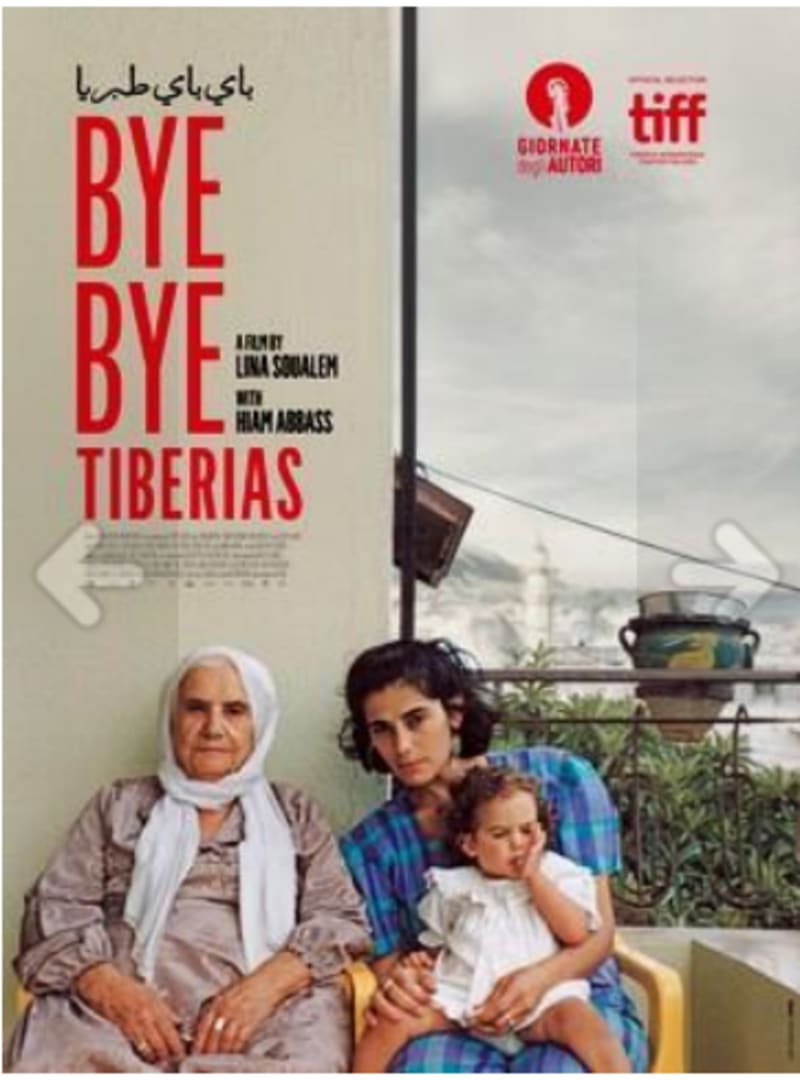
Before 7th October 2023
Hace treinta años, Hiam abandonó su pueblo palestino dejando atrás a su bisabuela Um Ali, su madre Neemat, su padre Said, sus siete hermanas y dos hermanos, para perseguir su sueño de convertirse en actriz en Europa. Su hija, Lina, cineasta, decidió regresar con ella al pueblo analizando tanto el exilio de su madre cómo sus relaciones familiares, incluyendo las influencias de las mujeres de su familia sobre su madre y ella misma.
A través de este documental Lina nos hace viajar, remontándose al origen de la transmisión de la memoria, de la resistencia y de la feminidad entre cuatro generaciones de mujeres palestinas, gracias a un verdadero tejido de imagines actuales, archivos familiares e históricos y fragmentos de ficción.
Cómo "Bye Bye Tiberias" de Lina Soualem adquirió un nuevo significado tras el inicio de la guerra en Gaza
La directora, que llevará el documental a Reel Palestine de Dubái el domingo, revela que se ha convertido en una fuente de fortaleza para ella y sus espectadores El documental Bye Bye Tiberias es el segundo de Lina Soualem. Es una historia hermosa, delicada e íntima de cuatro generaciones de mujeres del lado palestino de su familia, entre ellas su bisabuela Um Ali, su abuela Nemat, su madre y actriz Hiam Abbass (Succession) y la propia Soualem.
Tras ganar el premio al Mejor Documental del Festival de Cine de Londres el año pasado (2023), llega a las pantallas de Dubái este domingo como parte de Reel Palestine en Cinema Akil. Los catastróficos acontecimientos de la Nakba en 1948, y las rupturas sísmicas del desplazamiento y el trauma que causó a la sociedad palestina y a la familia, están presentes en toda la película, como sugiere su título. Soualem reconstruye sus historias (y las de sus tías), entrelazándolas con sus recuerdos de infancia de visitas anuales a la casa familiar en Deir Hanna en una especie de tatreez fílmico.
“Mi madre me llevó por primera vez a Palestina cuando tenía 18 meses”, le cuenta a The National. “Me llevaba casi todos los años, si no varias veces al año, a ver a mi familia –todos mis primos, mis tías y tíos– para las vacaciones de verano. “Siempre me sentí muy cerca de ellos, del pueblo, y la casa [de mi abuela] era realmente nuestro centro”.
Nacida en París de padre argelino y madre palestina, Soualem explora sus diversas raíces culturales en sus documentales, desentrañando cómo su identidad fue socavada por sus compañeros y el sistema educativo en Francia. “Nunca sentí que pudiera vivir mis diferentes identidades cuando era más joven, en la escuela. Siempre me juzgaban por no ser lo suficientemente francesa, no ser lo suficientemente argelina, o me decían que no podía ser palestina porque Palestina no existe”, dice.
“Nadie se interesaba por mi árabe. Esto es algo muy común para muchas personas de ascendencia árabe en Francia. Nunca se nos valoró por nuestra doble cultura; en cambio, se nos estigmatizó por ello. Cuando ocurrió el 11 de septiembre, una niña se me acercó en clase y me dijo: ‘¡Mira lo que hizo tu gente, los árabes!’. Yo tenía 12 años y fue muy violento para mí, había mucha agresividad”.
Gracias a su madre y a los frecuentes viajes familiares a Palestina, Lina aprendió a hablar árabe palestino. La película revela cómo el nacimiento de Lina ayudó a reparar una ruptura familiar, que comenzó cuando su madre optó por abandonar Palestina en contra de los deseos de sus padres, en busca de una carrera como actriz en Francia. Lina fue como “un ángel que nos reconcilió”, le dice Abbass en la película.
El vínculo madre-hija es hermoso y muy claro en la película, especialmente en las imágenes de la infancia en VHS filmadas por su padre; pero su viaje en la película también incluye a la Lina adulta haciendo preguntas delicadas a su madre sobre su pasado y el pasado de su familia. Al principio de la película, Abbass le aconseja a su hija: “No abras la puerta a las penas del pasado”. Por supuesto, Soualem lo hace de todos modos y esos momentos son conmovedores. ¿El proceso las acercó más?
....
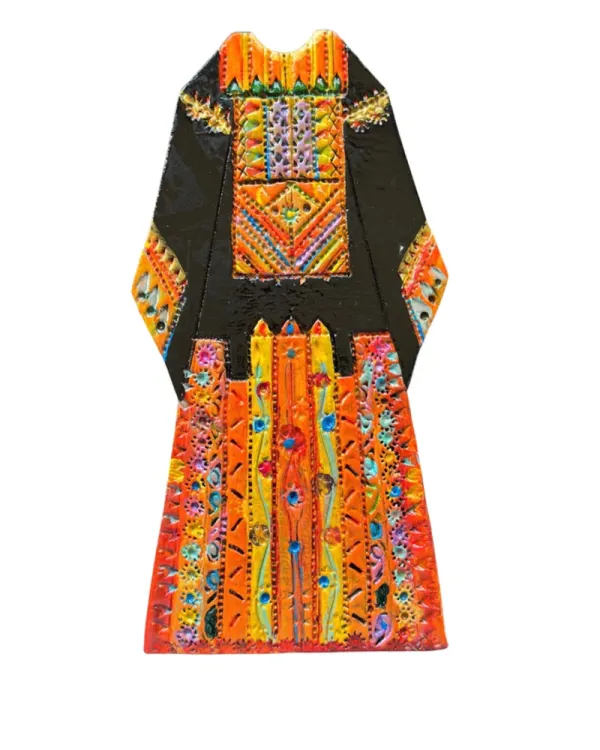
Shatha Safi, artista visual
Publicado hoy.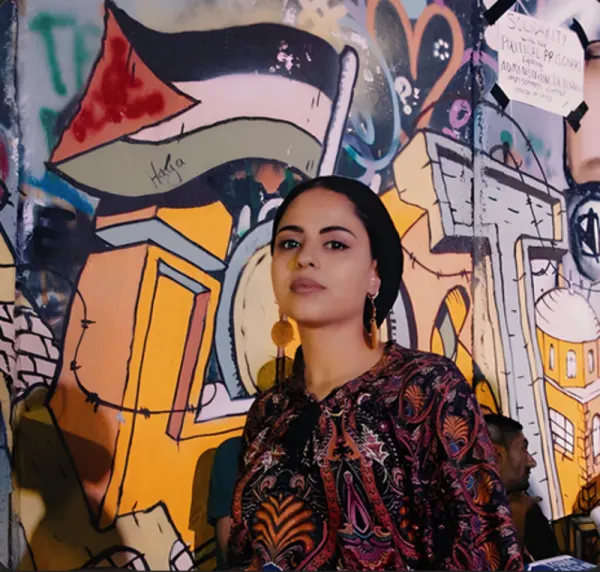 Available in
 Shatha Safi visual artist
Publicado hoy.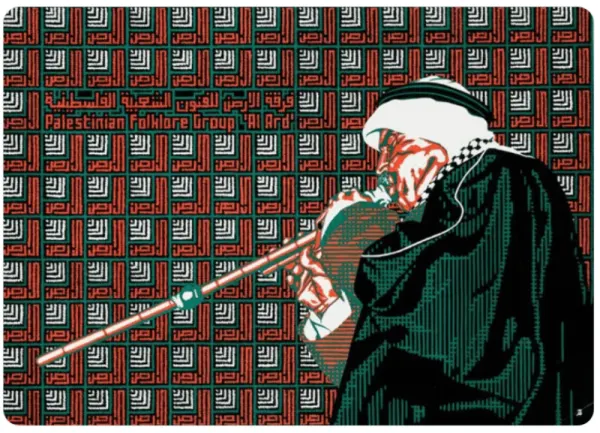 Available in
 Al Ard — “The Land” — Palestinian folklore group. Al Ard - The Land- La Tierra. Grupo de folklore palestino
Publicado el 25 de septiembre.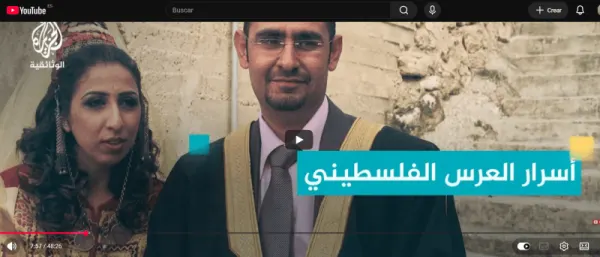
تغاريد عرس فلسطيني.. حكاية تراث لا يموت Preparativos, canciones de boda palestina: Un documental/relato de patrimonio perdurable
Publicado el 25 de septiembre.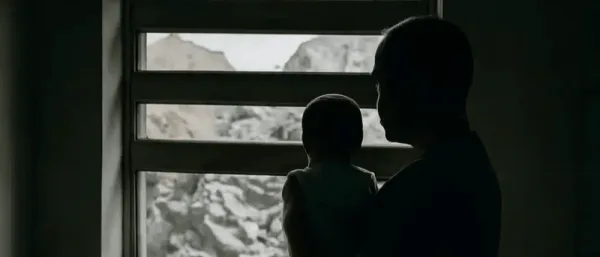
Citizen Osama. Documental
Publicado el 24 de septiembre.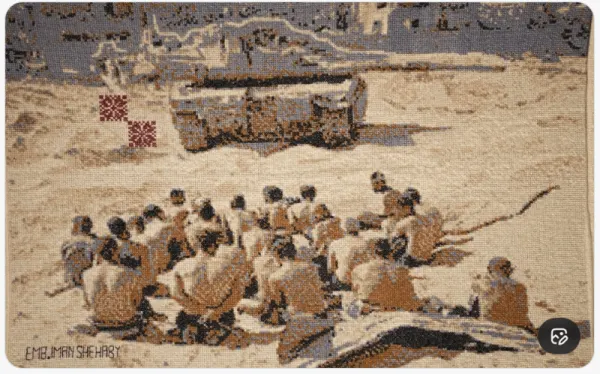 Available in
 "Gaza. No words" Exhibition Venice. Gaza, sin palabras. Exposición Venecia. ENG ESP
Publicado el 18 de septiembre.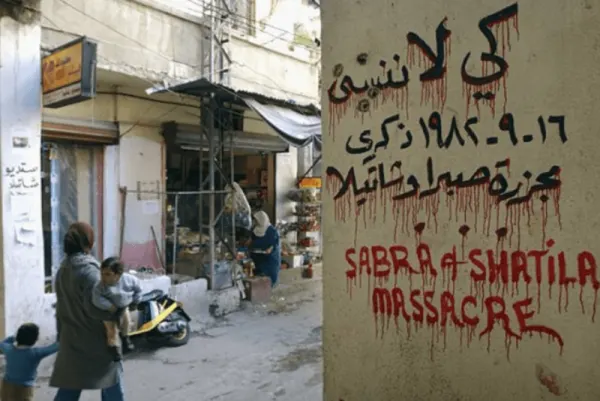 Available in
 "Moving towards home". June Jordan. 44 years since the Sabra and Sathila massacres. "Camino al hogar"- 44 años desde la masacre de Sabra y Sathila. ENG ESP
Publicado el 15 de septiembre. Available in
 Palestine, war of memory. Palestina, memoria de guerra.
Publicado el 11 de septiembre.Ver más / See more
