

Documental. "No other land". Por Basel Adra, Hamdan Ballal, Yuval Abraham, Rachel Szor. ENG/ESP
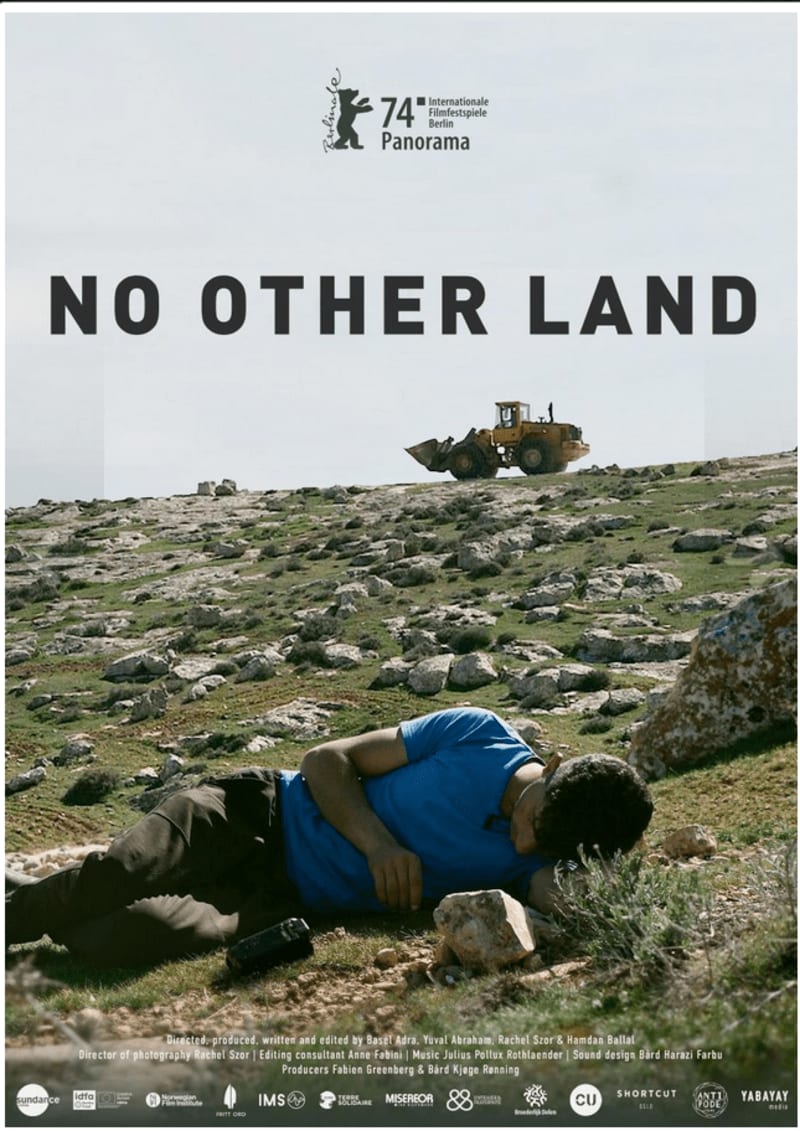
News and update at the end. Noticias y comentarios abajo del todo
...
La película narra la lucha de los palestinos de la región de Masafer Yata, al sur de Cisjordania, por permanecer en sus hogares. Durante 20 años han plantado cara a las apisonadoras, a los tanques, a las ametralladoras del Ejército israelí, al acoso de los colonos para evitar la expulsión de la tierra que ha sido su hogar durante generaciones.
Hay mapas del siglo XIX en los que ya aparecen estas aldeas, y estaban pobladas por estos mismos pastores. Pero nada ha conseguido detener los planes de expansión del sionismo, absolutamente ilegales según el derecho internacional. Durante el día evacúan y derriban escuelas, parques infantiles, casas que sus legítimos dueños vuelven a construir por la noche. Llevan años haciéndolo, pero desde los atentados del 7 de octubre de 2023, ya no hay freno a la brutalidad israelí. Los colonos entran en los pueblos y disparan a la gente indefensa con la misma impunidad con la que lo haría un camisa negra en la Italia fascista. Lo hacen delante de los niños y se ríen mientras ejecutan desahucios, demoliciones y asesinatos. Está grabado. Lo grabaron Basel Adra y Yuval Abraham, y todo el mundo debería verlo.
Cuando uno observa la actuación del Ejército israelí y de los colonos escuadristas en No Other Land es inevitable pensar en que ya hemos visto ese tipo de imágenes y que, en su día, tuvieron repercusiones. Las tuvieron penalmente para los criminales y moralmente para los que les dejaron hacer. Hoy nadie podrá decir que no sabía lo que está ocurriendo. Muchos alemanes alegaron eso cuando se liberaron los campos de concentración tras la Segunda Guerra Mundial. No sabían nada. Todo ocurría a sus espaldas. Si hubieron sabido…
...
29 julio 2025 Han asesinado a Odeh Hadalin. Activista palestino. Coautor de No Other Land. Grabó la limpieza étnica en Cisjordania. Defendió a su comunidad. Padre de tres hijas. Un colono israelí le disparó al pecho. No fue un error. Fue una ejecución por mostrar la verdad. Que su nombre no se borre. Que su voz no se apague
3 de marzo de 2025 «El Óscar de ‘No Hay Otra Tierra’: ¿Victoria Palestina o Consagración de la Narrativa Colonial?»
El documental No Hay Otra Tierra ganó el Óscar al Mejor Documental Largo, en un momento que algunos consideraron una victoria para la causa palestina en la escena cinematográfica mundial. Sin embargo, al examinar los detalles de la película y su contexto, queda claro que este triunfo no fue tanto una victoria para la narrativa palestina como lo fue para la figura del director israelí Yuval Abraham, quien, gracias a su posición dentro del sistema occidental e israelí, otorgó al filme la legitimidad necesaria para llegar a la plataforma de los Óscar.
No se puede ignorar que Abraham, a pesar de ser un simpatizante de la causa palestina, sigue siendo parte del sistema colonial que generó la Nakba y lo que siguió: el desplazamiento, la ocupación y el asentamiento. Este director vive en tierras confiscadas, de las cuales sus habitantes palestinos fueron expulsados, y ahora cuenta su historia como si fuera un mediador neutral, brindando voz a su sufrimiento dentro de los límites permitidos por las instituciones culturales occidentales. Pero, ¿de qué narrativa hablamos? Es una historia que lleva su firma, no la de los propios palestinos. Aquí radica el problema central: el palestino no es quien narra su propio dolor, sino que es el israelí quien le otorga legitimidad dentro del espacio cinematográfico occidental. Esto refleja claramente cómo se trata la cuestión palestina desde una perspectiva colonial, incluso en el contexto de la solidaridad. El palestino siempre se retrata como una víctima que necesita a alguien que lo defina, que traduzca su sufrimiento a un lenguaje que Occidente entienda, y este lenguaje solo puede ser el del propio colonizador.
"Debido al interés y la importancia pública, Raquel y yo decidimos junto con The Guardian que la película NAZA será accesible en internet de forma gratuita, sin límite de tiempo, para que cualquier persona pueda verla y ver los testimonios de los soldados. Esto ocurrirá en unas pocas semanas, en noviembre, en la fecha más temprana que logramos fijar.
Mientras tanto, nos hemos dirigido a los cines de Israel y les hemos ofrecido la película sin coste, con la esperanza de que se proyecte en el país ya ahora, en paralelo a su distribución en cines del mundo. Su proyección será una decisión valiente frente a una gran violencia dirigida a ocultarla. Sé que hay una enorme demanda por ver la película y espero que de esta manera todos pronto puedan verla: ya sea en los cines o en internet en unas pocas semanas. Muchas cosas incorrectas se han dicho sobre nosotros y sobre la película en la semana pasada.
La película se basa en una investigación periodística exhaustiva de tres años y los detalles en ella están verificados y cruzados. Hablará por sí misma y la verdad acabará saliendo a la luz. Hicimos la película para generar un debate público sobre las acciones del gobierno en Gaza, la muerte de más de 73.000 personas, la mayoría civiles, la normalización de una guerra de exterminio, de la percepción de que "no hay no involucrados".
Veinticuatro soldados y soldadas dieron un paso y hablaron frente a una cámara sobre lo que toda una sociedad no quiere hablar. Reconocer las atrocidades en Gaza no reduce ni un instante el baño de sangre criminal del 7 de octubre, del que Hamás es responsable, sobre el que hablan los soldados en la película, y que no tiene ninguna justificación. Al contrario. Después de todo, ignorar lo que está ocurriendo en Gaza es uno de los factores que allanaron el camino para ese terrible sábado. Y esa ignorancia continúa.
El periodismo no es traición. La crítica no es traición. Es un deber de todo ciudadano cuyo gobierno comete crímenes saberlo y de todo soldado que fue testigo de ellos contarlo. Hay miles de soldados así circulando por aquí, que verán la película y reconocerán lo que se describe en ella de manera personal: el asesinato de personas desarmadas que cruzan una línea imaginaria, las autorizaciones NAZA por cientos, los ataques sistemáticos a casas de familias, la quema y la destrucción física de Gaza, asesinatos y disparos a personas hambrientas en centros de distribución de alimentos y otros crímenes sin justificación.
Aunque dé miedo, es vuestro deber encontrar la manera de testificar sobre lo que visteis. Os dirán que es mejor ocultar la verdad por el bien de la propaganda en el extranjero, pero eso son tonterías. Allí ya lo saben todo. Los crímenes no se explican, se detienen. Ocultar la verdad envenena ante todo a nuestra sociedad y, sobre todo, permite que el daño a las personas en Gaza continúe. Y en una nota personal: llevo tres años escribiendo en hebreo sobre la política de fuego del ejército en Gaza en "Shicha Mekomit".
Las investigaciones fueron ignoradas en Israel. Ahora, por primera vez, algo se resquebraja en la pantalla de la ignorancia, y eso es algo positivo. Es algo saludable. Sí, viene con un alto precio personal. Ha sido una semana dura. Pero en ella también hay mucho apoyo y mucha generosidad. De lo que estoy seguro: las amenazas no ayudarán. No nos disuaden. Raquel y yo regresaremos al país y seguiremos luchando por el futuro de este lugar junto con muchos compañeros". Vía
 Available in
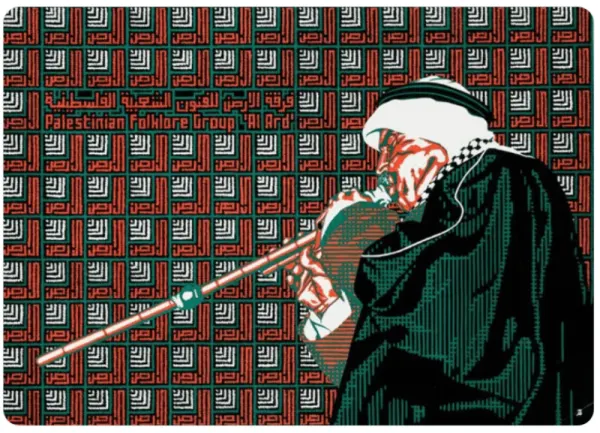
 Al Ard — “The Land” — Palestinian folklore group. Al Ard - The Land- La Tierra. Grupo de folklore palestino
Publicado el 25 de septiembre.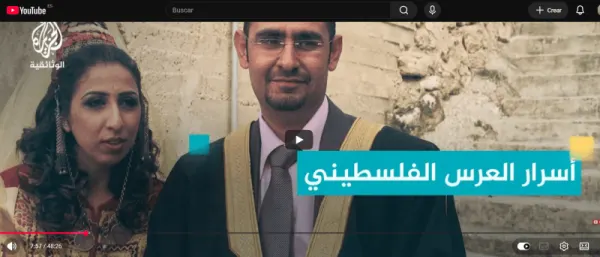
تغاريد عرس فلسطيني.. حكاية تراث لا يموت Preparativos, canciones de boda palestina: Un documental/relato de patrimonio perdurable
Publicado el 25 de septiembre.
Citizen Osama. Documental
Publicado el 24 de septiembre.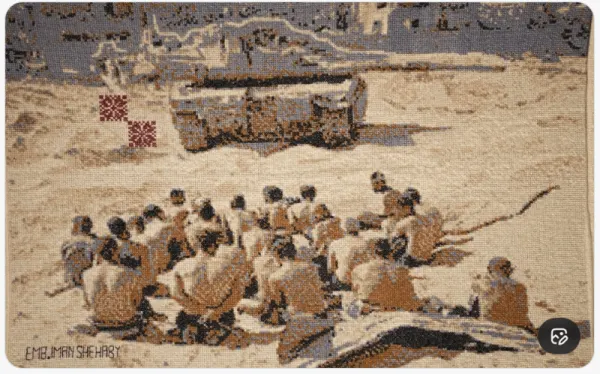 Available in
 "Gaza. No words" Exhibition Venice. Gaza, sin palabras. Exposición Venecia. ENG ESP
Publicado el 18 de septiembre.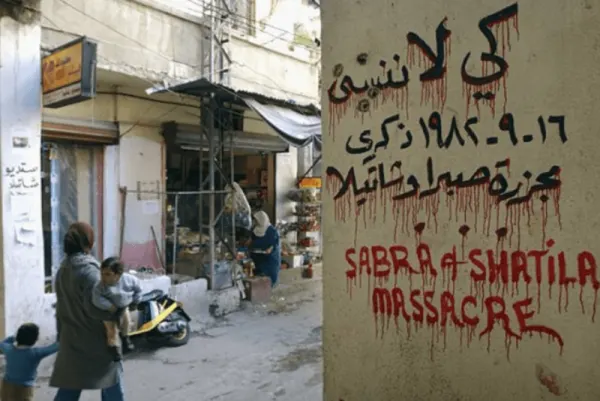 Available in
 "Moving towards home". June Jordan. 44 years since the Sabra and Sathila massacres. "Camino al hogar"- 44 años desde la masacre de Sabra y Sathila. ENG ESP
Publicado el 15 de septiembre. Available in
 Palestine, war of memory. Palestina, memoria de guerra.
Publicado el 11 de septiembre.
Naza ("No other land"), documental, el genocidio de Gaza desde una sala de exterminio con aire acondicionado
Publicado el 11 de septiembre.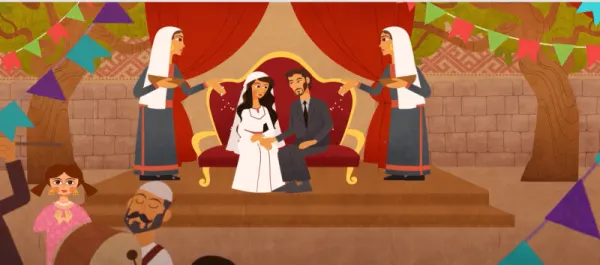
"All we have" Palestinian animation film. "Todo lo que tenemos" dibujos animados palestinos. ENG ESP
Publicado el 3 de septiembre.Ver más / See more
