

Ensayo. Non-fiction. "Perfect Victims And The Politics Of Appeal" Por By Mohammed El-Kurd ENG/ESP
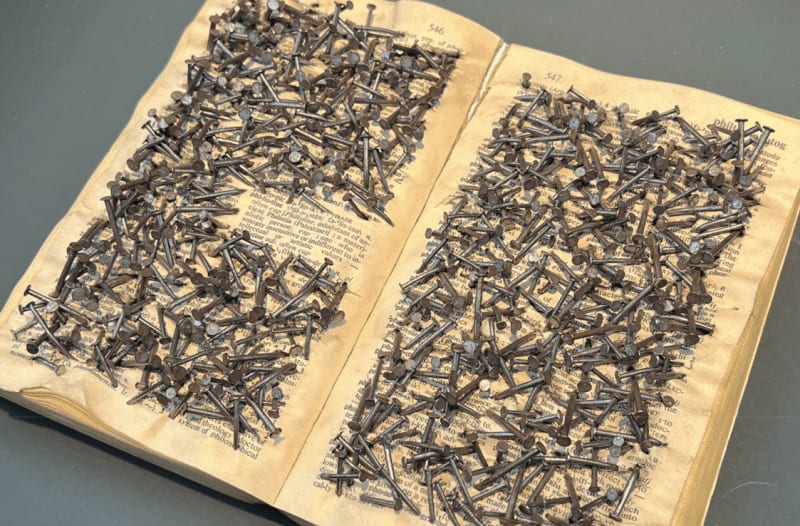
El derecho a hablar por nosotros mismos Durante demasiado tiempo, a los palestinos se nos ha negado la libertad de contar nuestra propia historia.
Los palestinos muertos y vivos son cada vez más visibles en los medios de comunicación anglófonos, pero no todos pueden coger el micrófono. Para que hagan ruido, los palestinos muertos tienen que haber sido etnocéntricamente «excepcionales» o haber tenido que soportar una muerte excepcionalmente violenta. Y los que están vivos tienen que cumplir el requisito previo de la «víctima perfecta»: dóciles, desfigurados y, preferiblemente, con acento estadounidense. En esta conferencia, Mohammed El-Kurd investiga este fenómeno, planteando una pregunta que en su día formuló Edward Said: ¿quién tiene permiso para narrar? Y, lo que es más importante, ¿por qué deberían los palestinos pedir esos permisos en primer lugar?
«Hoy voy a hablarles de las víctimas perfectas y de la política de la apelación. El pueblo palestino, en las pantallas de televisión o más ampliamente en la esfera pública, existe en una falsa dicotomía: O somos víctimas o somos terroristas. Los que somos terroristas -o nos articulamos para serlo- nunca tenemos la oportunidad de ser comentaristas en esas pantallas. Son criaturas casi míticas, material de cuentos de miedo: grandes lobos malos con cejas fruncidas, colmillos afilados y una aterradora incorrección política. Deambulan por las calles murmurando en un árabe agresivo, a veces leyendo el Corán, con ganas de saquear y disparar a todo lo que encuentran a su paso. Vienen a por ti. Esconde a tus esposas, esconde tus aviones, esconde tus escudos humanos. Muchos en el público tienen una imagen mental de a quién me refiero»
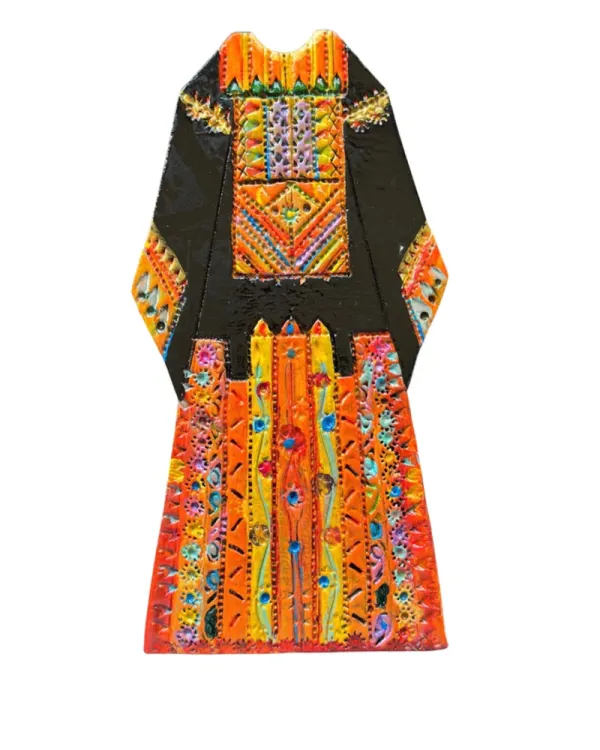
Shatha Safi, artista visual
Publicado hoy.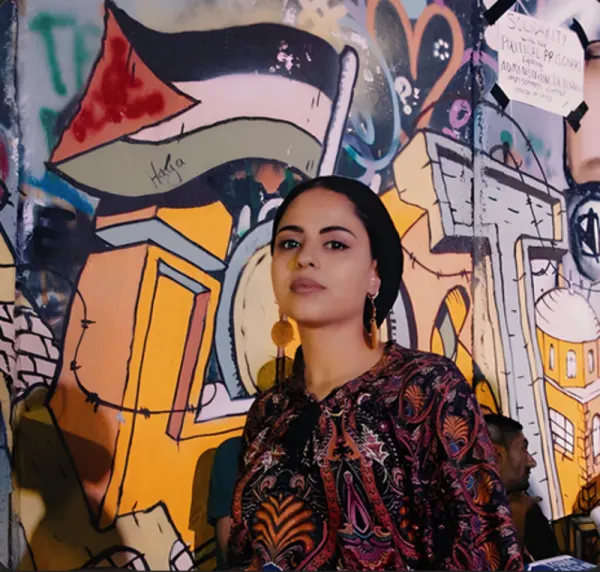 Available in
 Shatha Safi visual artist
Publicado hoy.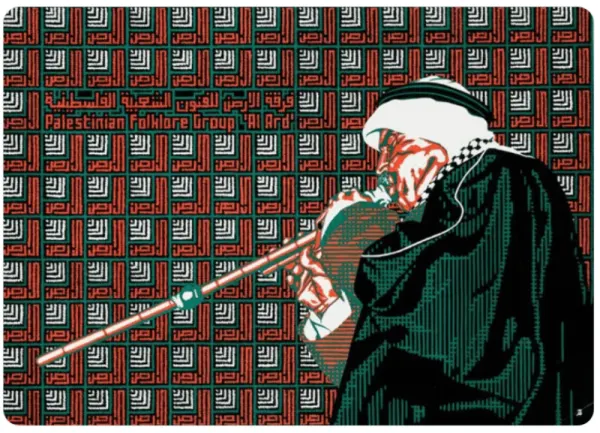 Available in
 Al Ard — “The Land” — Palestinian folklore group. Al Ard - The Land- La Tierra. Grupo de folklore palestino
Publicado el 25 de septiembre.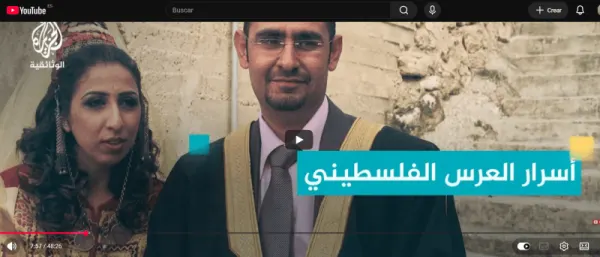
تغاريد عرس فلسطيني.. حكاية تراث لا يموت Preparativos, canciones de boda palestina: Un documental/relato de patrimonio perdurable
Publicado el 25 de septiembre.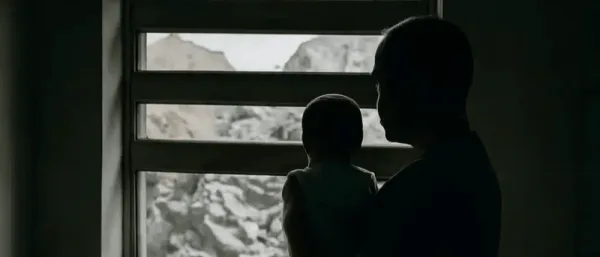
Citizen Osama. Documental
Publicado el 24 de septiembre.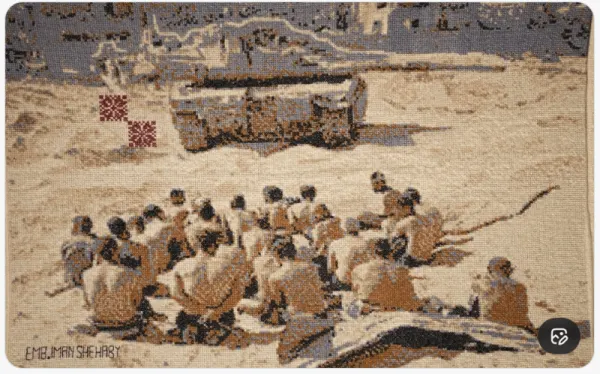 Available in
 "Gaza. No words" Exhibition Venice. Gaza, sin palabras. Exposición Venecia. ENG ESP
Publicado el 18 de septiembre.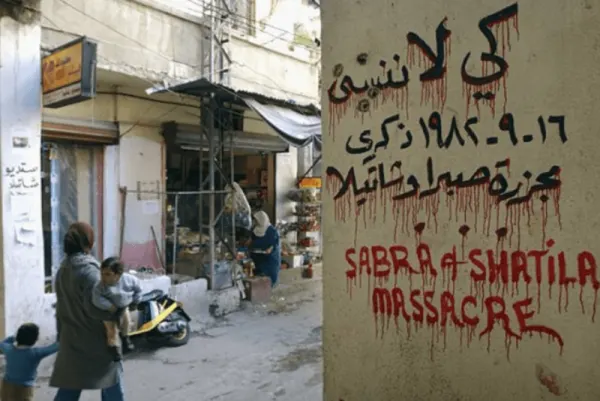 Available in
 "Moving towards home". June Jordan. 44 years since the Sabra and Sathila massacres. "Camino al hogar"- 44 años desde la masacre de Sabra y Sathila. ENG ESP
Publicado el 15 de septiembre. Available in
 Palestine, war of memory. Palestina, memoria de guerra.
Publicado el 11 de septiembre.Ver más / See more
