

Palestinians, International Brigades. Spanish Civil War. Palestinos, Brigadas Internacionales, Guerra Civil Española ENG ESP
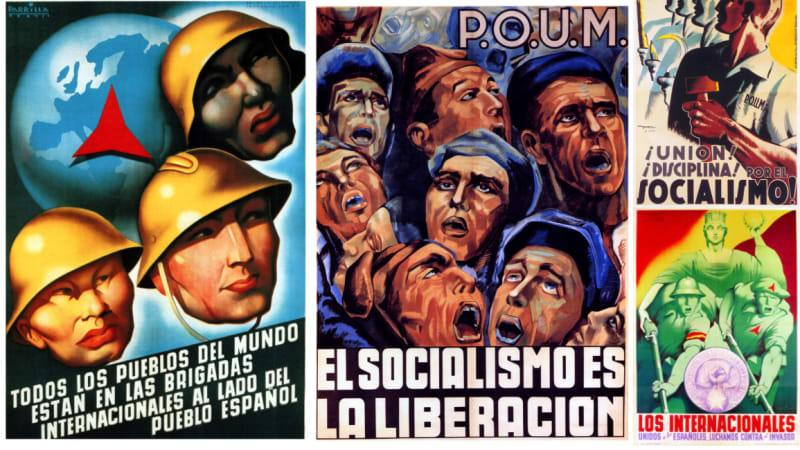
Los palestinos lucharon contra los fascistas de Franco en la Guerra Civil Española. Brigadas Internacionales
En 1936, decenas de miles de personas de todo el mundo llegaron a España para defender la República contra las fuerzas fascistas lideradas por el general Francisco Franco. Conocidas como las Brigadas Internacionales, los hombres y mujeres que llegaron a luchar provenían de todas partes del mundo: de Bulgaria a la India, de China a Palestina.
Sí, Palestina.
Es muy difícil saber quién vino de Palestina a España, porque los registros no son precisos. Por ejemplo, Mahmud al-Atrash al-Maghribi, un comunista palestino, dejó una autobiografía: "Camino de lucha en Palestina y el Levante Árabe: Memorias del líder comunista Mahmud al-Atrash al-Maghribi".
Curiosamente, a menudo se dice que estuvo en España, aunque no se menciona ningún viaje a España en su, por lo demás, detallada e informativa autobiografía. Pero sí sabemos que al menos tres personas de Palestina llegaron a España: Ali Abd al-Khaliq, Fawzi Sabri Nabulsi y Muhammad Najati Sidqi. Eran miembros del Partido Comunista Palestino y llegaron a España a través de la Internacional Comunista. Sidqi dejó una autobiografía —Mudhakkarat Najati Sidqi—, publicada póstumamente en Beirut por el Instituto de Estudios Palestinos en 2001.
En su autobiografía, Sidqi recuerda cómo los republicanos españoles lo llevaron al frente para que, en árabe levantino, pudiera gritar a los soldados marroquíes que luchaban en el Ejército de África de Franco. Fueron transportados por junkers alemanes nazis desde Marruecos a España para formar las tropas principales en el frente contra el ejército republicano.
«¡Escuchen, hermanos!», gritó Sidqi desde el frente. Soy árabe como ustedes, procedente de un lejano país árabe. Les suplico, hermanos, que abandonen las filas de sus generales, que los oprimen en su país. Vengan a nuestro lado, donde serán bien tratados y recibirán una asignación diaria. Quienes no quieran luchar serán devueltos a su tierra y a su familia. ¡Viva el Frente Popular! ¡Viva la República! ¡Viva Marruecos!
Si Sidqi recuerda, ningún soldado marroquí desertó a los republicanos. Quizás porque ellos, hablantes de darija, o árabe marroquí, no lo entendían en absoluto.
En su libro «Diario de la Guerra de España» (1938), el periodista soviético de Pravda, Mijaíl Koltsov, relató una anécdota sobre Sidiqi. Debido al fracaso de las deserciones, Sidiqi adoptó un nombre más apropiado para los árabes marroquíes: Mustafá Ibn Jala; bajo este nombre, Sidiqi escribió para el periódico comunista español Mundo Obrero.
Durante este genocidio en Gaza, he pensado a menudo en personas como Sidiqi, que amplían nuestra comprensión de la solidaridad. Para ellos, ser solidario no significaba estar con alguien más ni participar en la lucha de otro. Era estar consigo mismo. Eran personas que deseaban expandir su humanidad, luchar por defenderla a las puertas de Madrid.
Sentían que si Madrid caía, su humanidad se vería comprometida. «Madrid es el corazón», escribió W. H. Auden en su magnífico poema, España, 1937.
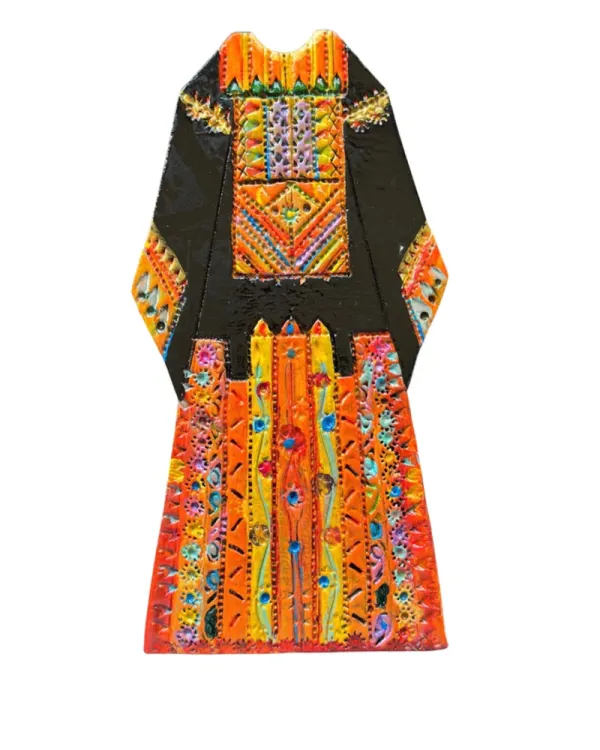
Shatha Safi, artista visual
Publicado hoy.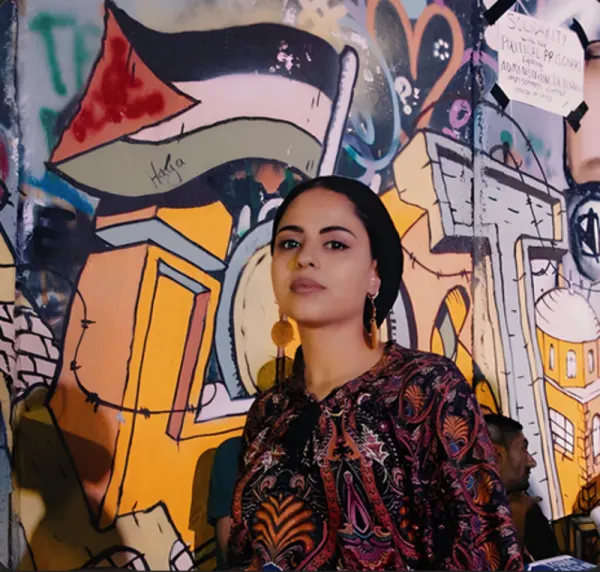 Available in
 Shatha Safi visual artist
Publicado hoy.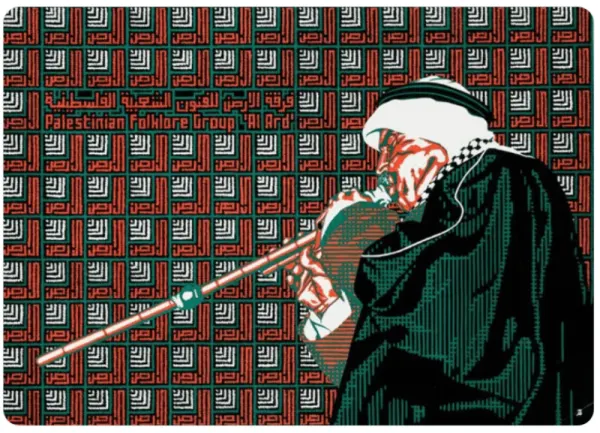 Available in
 Al Ard — “The Land” — Palestinian folklore group. Al Ard - The Land- La Tierra. Grupo de folklore palestino
Publicado el 25 de septiembre.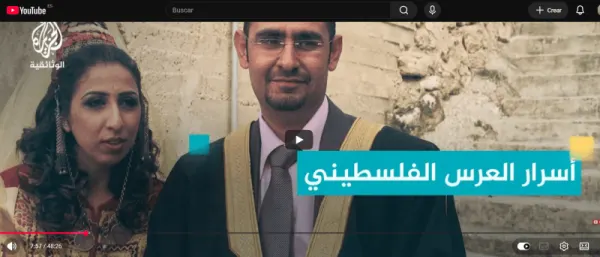
تغاريد عرس فلسطيني.. حكاية تراث لا يموت Preparativos, canciones de boda palestina: Un documental/relato de patrimonio perdurable
Publicado el 25 de septiembre.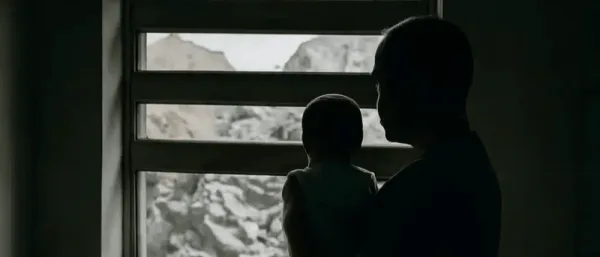
Citizen Osama. Documental
Publicado el 24 de septiembre.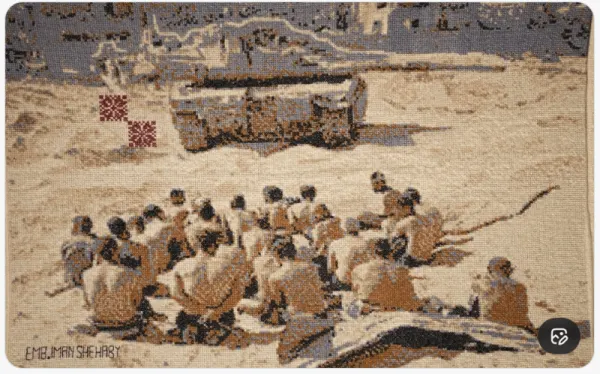 Available in
 "Gaza. No words" Exhibition Venice. Gaza, sin palabras. Exposición Venecia. ENG ESP
Publicado el 18 de septiembre.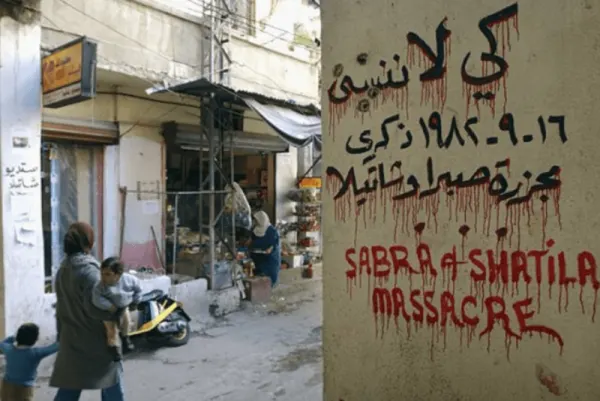 Available in
 "Moving towards home". June Jordan. 44 years since the Sabra and Sathila massacres. "Camino al hogar"- 44 años desde la masacre de Sabra y Sathila. ENG ESP
Publicado el 15 de septiembre. Available in
 Palestine, war of memory. Palestina, memoria de guerra.
Publicado el 11 de septiembre.Ver más / See more
