

Storm of Freedom. Kholoud Hammad, 2024. ENG ESP
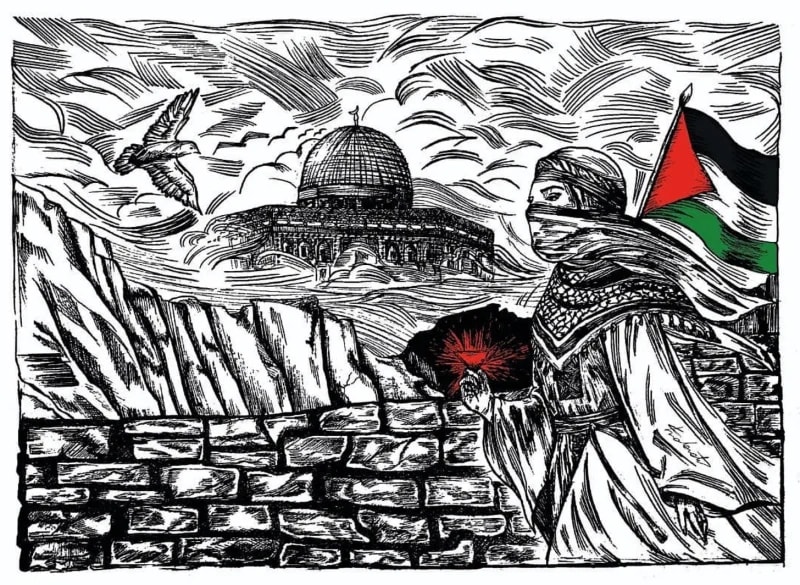
En mi último artículo, mencioné la obra de la artista palestina Kholoud Hammad.
Recientemente encargué dos de sus ilustraciones, "La Pesadilla de Gaza" y "Océano", a Gerard D'Albon, artista residente en Nueva York y miembro de DSA, que distribuye impresiones risográficas de los expresivos dibujos a pluma de Hammad.
D'Albon me contó que vio la obra de Hammad por primera vez en la página de Instagram de Flyers for Falastin. Se puso en contacto directamente con ella para buscar maneras de apoyar y recaudar fondos para la familia de la artista desplazada.
"Tras confirmar que podía transferir fondos a su banco en Gaza, contacté con varios laboratorios de risografía que ofrecieron impresión gratuita de su obra, y desde entonces he estado vendiendo impresiones en línea y en mercados locales a cientos de personas", dijo D'Albon. Gracias a la venta del arte de Kholoud, al mío propio y a donaciones directas, he logrado recaudar más de 7000 dólares para ella hasta la fecha, además de otros 7000 dólares de mis propias ventas de arte para otras ayudas directas a Gaza.
Gran parte de mi inspiración artística proviene de explorar el Archivo del Proyecto de Carteles de Palestina, que abarca décadas de artistas visuales que se organizaron contra la ocupación. Muchos de estos artistas siguen vivos; desde la inundación de Al-Aqsa y el genocidio en Gaza, he visto una oleada de reconocimiento en Estados Unidos para artistas como Sliman Mansour, que ahora tiene más de 80 años.
Por cada artista como Mansour que vivió lo suficiente para compartir su obra con un público internacional, cientos más han muerto, como el ilustrador digital Mahasen Al-Khatib, de 24 años, quien murió en un ataque aéreo israelí en el campo de refugiados de Jabalia en octubre de 2024. Además, está la incalculable cantidad de artistas palestinos que murieron antes de tener la oportunidad de practicar el arte.
La mitad de la población de Gaza son niños, y la cifra de muertos desde el genocidio israelí de octubre de 2023 incluye miles de bebés y niños pequeños. Es un desgarrador recordatorio de por qué la poesía es el medio artístico más popular en Palestina, donde las obras de arte quedan habitualmente enterradas bajo escombros y los materiales para crear arte son tan escasos como la comida y las medicinas.
A pesar de estas condiciones, Kholoud Hammad sigue dibujando. Contacté con la artista para conocer más sobre su vida y su práctica durante los últimos 17 meses, muchos de los cuales pasó en una tienda de campaña en Jabalia.
¿Cómo te llamas? ¿Cuántos años tienes y de qué parte de Palestina eres?
KH: Me llamo Kholoud Mohamed Hammad y tengo 21 años. Pero la edad no define la madurez; la guerra nos obligó a madurar demasiado pronto, a ver y experimentar cosas que el mundo aún no comprende. Soy del norte de Gaza.
¿Cómo era la vida en casa antes de la inundación de Al-Aqsa?
KH: Vivíamos bajo asedio y restricciones, pero aun así encontramos maneras de vivir, compartiendo sueños y ambiciones. Mi hermano fue una parte inseparable de mis días: mi fuente de apoyo y quien culminó mis éxitos. Llenó nuestro hogar de vida, y sus reacciones ante mis logros aún están grabadas en mi memoria. La vida nunca fue fácil, pero teníamos esperanza. Destaqué y me gradué como el mejor estudiante de mi departamento de Diseño Gráfico. Mi hogar en Jabalia era mi pequeño mundo.
¿Cuándo empezaste a dibujar?
KH: He dibujado desde la infancia, pero se convirtió en mi verdadera pasión al crecer, especialmente cuando me di cuenta de que podía usarlo para expresar el sufrimiento y la resiliencia de Gaza.
¿Eres el único artista en tu familia?
KH: Sí, soy el único artista en mi familia, pero siempre han fomentado la creatividad y apoyado mi pasión.
¿Hay otros artistas en los que te inspires?
KH: Mi mayor inspiración proviene de nuestra realidad: de la resistencia que vi en los ojos de mi hermano y de las calles de Gaza, que cuentan mil historias. Me encanta el arte que refleja causas justas y me inspiro en cada artista que lleva su causa en sus pinceles, tal como yo intento hacer.¿Qué tipo de obras de arte hacías antes de graduarte de la universidad? ¿Qué esperabas dedicarte profesionalmente?
KH: Antes de graduarme, exploré y creé diversos tipos de arte utilizando diferentes colores, materiales y técnicas, como la mezcla, los campos de color, el dibujo de retratos, el grabado y la estampación con diversos medios. Fue un viaje que me enseñó que el arte tiene innumerables maneras de expresar lo que llevamos dentro y reflejar nuestra identidad. Agradezco haber tocado la superficie de estos vastos mares artísticos, pero sabía que tenía que elegir un camino para dominar. En medio de esta guerra, descubrí que el arte con tinta era el más adecuado, ya que podía llevar fácilmente mis herramientas en mi mochila de desplazamiento. En cuanto a mi profesión, siempre me han gustado tanto el arte como la estampación. Mi sueño era fusionar el arte con el diseño, creando diseños únicos con un toque artístico como Diseñador Gráfico Ilustrativo. También me apasionaban los motion graphics, lo que influyó en mi arte, haciéndolo dinámico y lleno de movimiento. Una vez soñé con conseguir colaboraciones y oportunidades laborales tanto a nivel local como internacional. Conseguí algunos trabajos, pero...
 Available in
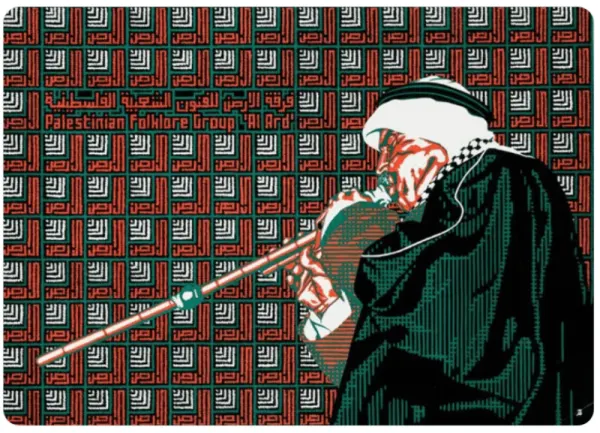
 Al Ard — “The Land” — Palestinian folklore group. Al Ard - The Land- La Tierra. Grupo de folklore palestino
Publicado el 25 de septiembre.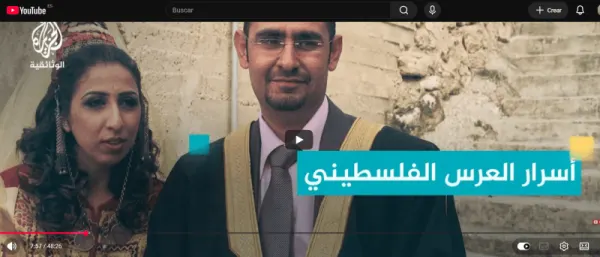
تغاريد عرس فلسطيني.. حكاية تراث لا يموت Preparativos, canciones de boda palestina: Un documental/relato de patrimonio perdurable
Publicado el 25 de septiembre.
Citizen Osama. Documental
Publicado el 24 de septiembre.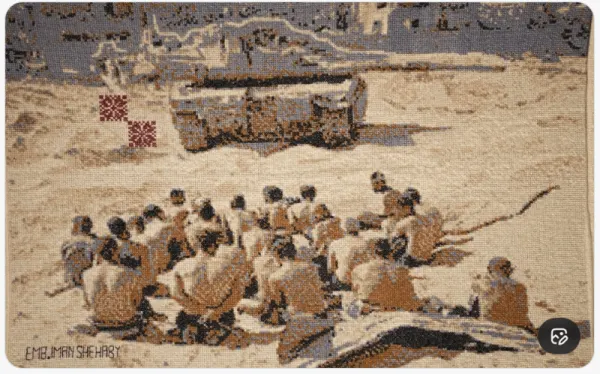 Available in
 "Gaza. No words" Exhibition Venice. Gaza, sin palabras. Exposición Venecia. ENG ESP
Publicado el 18 de septiembre.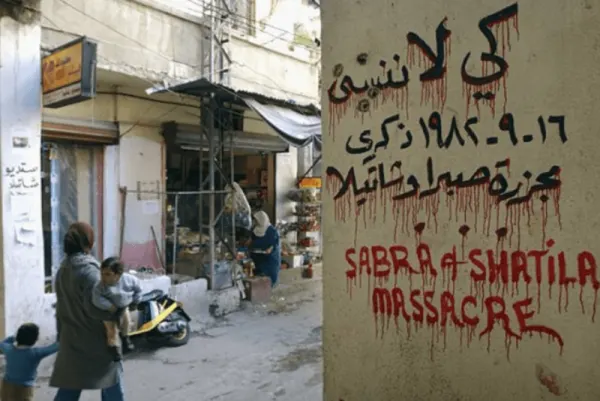 Available in
 "Moving towards home". June Jordan. 44 years since the Sabra and Sathila massacres. "Camino al hogar"- 44 años desde la masacre de Sabra y Sathila. ENG ESP
Publicado el 15 de septiembre. Available in
 Palestine, war of memory. Palestina, memoria de guerra.
Publicado el 11 de septiembre.
Naza ("No other land"), documental, el genocidio de Gaza desde una sala de exterminio con aire acondicionado
Publicado el 11 de septiembre.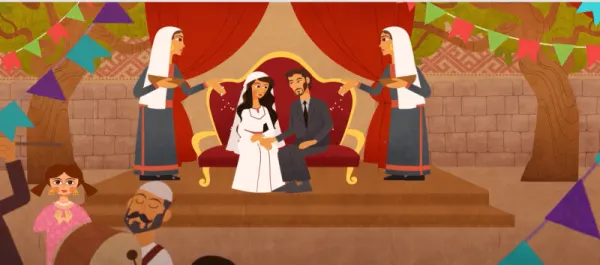
"All we have" Palestinian animation film. "Todo lo que tenemos" dibujos animados palestinos. ENG ESP
Publicado el 3 de septiembre.Ver más / See more
